
How Body Chemistry Affects Perfume Scent
Advertisements
Body chemistry alters perfume scent because the natural oils, moisture levels, surface acidity, and temperature of your skin interact directly with volatile fragrance compounds. This biological profile determines how quickly top notes evaporate, which middle notes develop prominently, and how long the base notes cling to your skin throughout the day. Anyone shopping for a new signature scent benefits from understanding this interaction, though the primary catch is that paper test strips at beauty counters will never reveal how a perfume will actually smell once applied to your pulse points.
When you spray a fragrance onto paper or another person, you smell a neutral evaporation sequence designed in a laboratory. Once those same aromatic molecules touch human skin, chemical bonds form and dissolve depending on your dermal environment. Knowing how individual traits like hydration and sebum production transform specific scent notes helps you make smarter purchases at stores like Sephora, Ulta Beauty, or department counters without wasting money on bottles that turn sour or disappear within hours.
The role of skin pH in fragrance breakdown
The surface of healthy human skin sits at a slightly acidic pH level, typically between 4.5 and 5.5, governed by the acid mantle. This thin protective barrier consists of sebum, sweat, and amino acids. When fragrance oils land on this barrier, the surrounding acidity influences the degradation speed of synthetic aroma chemicals and natural botanicals alike.
Advertisements
If your skin leans slightly more acidic than average, it can accelerate the breakdown of delicate top notes such as bergamot, lemon, and mandarin. This rapid oxidation often emphasizes sharp, tart facets or causes floral notes to smell slightly sour. Conversely, skin with a higher or more alkaline surface pH tends to slow down top-note dissipation, allowing sweet or powdery accords to dominate the composition for longer periods.
Because cleansers, hard tap water, and body washes temporarily disrupt your acid mantle, testing perfume immediately after bathing can yield an inaccurate impression. Waiting roughly twenty minutes allows your skin surface to restabilize its natural pH value before you apply any fragrance samples.
Moisture and natural oil levels
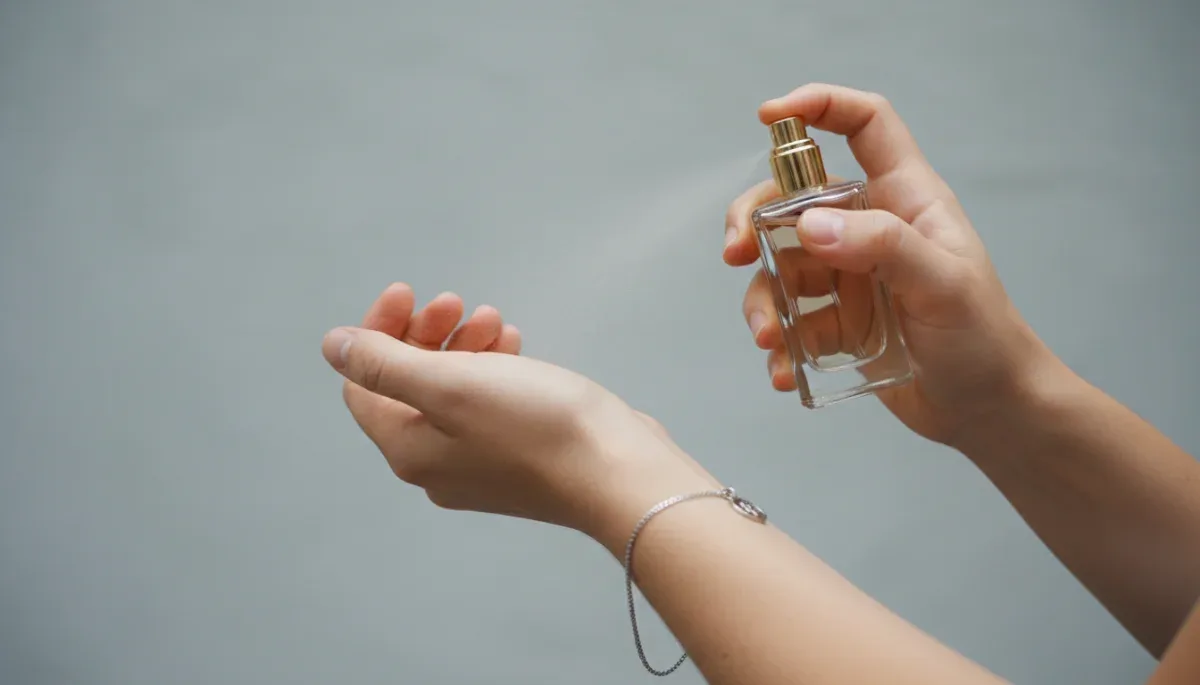
Perfume concentrates dissolve in alcohol, but they bind most effectively to lipids. Your skin's sebum production serves as a built-in anchor for aromatic molecules, directly dictating both projection and longevity.
Advertisements
Oily skin types retain fragrance significantly longer than dry skin types. Sebum absorbs the fragrance oils and releases them steadily as your body warms up, giving perfumes greater depth and sillage. However, excess oil can also cause rich, resinous notes like amber, patchouli, and vanilla to amplify quickly, occasionally making light perfumes smell denser or heavier than intended.
Dry skin lacks sufficient lipid content to trap volatile fragrance molecules, causing alcohol carriers to evaporate rapidly without leaving behind a lasting base. People with dry complexions frequently find that complex Eau de Parfum concentrations fade down to faint skin scents in less than three hours.
Practical habits for improving scent retention on dry skin
- Apply an unscented, ceramide-rich lotion directly to pulse points five minutes before spraying fragrance.
- Layer a thin film of pure petroleum jelly or mineral oil over wrists to create an artificial lipid barrier.
- Opt for higher oil concentrations, such as pure parfum or extrait de parfum, rather than light body mists.
- Target areas covered by clothing, such as the collarbone, where ambient moisture stays trapped longer.
How body temperature shifts fragrance progression
Fragrance houses construct perfumes around a pyramid of volatility, categorizing ingredients into top, heart, and base notes based on boiling points and evaporation rates. Body heat acts as the thermal engine that activates these compounds.
Pulse points—including the wrists, the base of the neck, behind the knees, and the inner elbows—radiate more heat because blood vessels run close to the skin surface. When your core or skin temperature rises due to warm weather, physical movement, or individual circulation patterns, fragrance molecules vaporize at an accelerated speed. This heat drives the swift arrival of heart notes like rose, jasmine, or lavender, while shortening the duration of initial citrus or green top notes.
Individuals with naturally cooler skin surfaces often experience a linear scent profile. On cooler skin, top notes linger for extended durations, and deeper base notes like cedarwood, vetiver, or musk may take several hours to open up fully. Knowing your body temperature tendency helps you anticipate whether a complex woody fragrance will reveal its warmth promptly or remain subtle and reserved throughout the workday.
Diet, hydration, and internal factors
What you consume circulates through your metabolic pathways and subtly influences the composition of your perspiration and sebum. The body secretes water, salts, fatty acids, and trace metabolic byproducts through the eccrine and apocrine glands, creating a completely personalized baseline scent.
Diets heavy in pungent compounds—such as garlic, onions, warm spices like cumin, and high volumes of red meat—introduce volatile sulfur and nitrogen compounds into your sweat. When these trace elements mix with applied fragrance, they can alter the balance of clean florals, white musks, and airy marine scents, giving them a sharper or slightly animalic undertone. Alcohol consumption also dilates blood vessels and increases perspiration rates, which speeds up fragrance evaporation while subtly shifting the skin's natural aroma profile.
Internal hydration plays a parallel role. Drinking adequate water maintains dermal moisture from the inside out, supporting balanced sebum distribution and preventing the rapid absorption of carrier oils. Hormonal fluctuations during different biological cycles also alter lipid secretion and skin surface temperature, meaning your favorite fragrance can smell noticeably distinct across different weeks of the same month.
Proper retail testing methods
Evaluating a fragrance on an absorbent paper blotter card at a department store provides only an initial sketch of its chemical design. Paper lacks body warmth, moisture, and lipids, so it displays an artificial version of the perfume that fails to reflect personal body chemistry.
To evaluate how a fragrance truly behaves on your skin, begin by spraying a paper strip first to confirm that the opening notes do not cause immediate aversion or olfactory fatigue. Once a scent passes this preliminary test, spray it directly onto bare skin on one wrist or forearm. Avoid rubbing your wrists together, as the friction generates localized heat that shears delicate top notes and crushes the progression intended by the perfumer.
Wear the scent for a minimum of four to six hours before deciding on a purchase. Take note of how the aroma shifts at the thirty-minute mark, the two-hour mark, and the end of the day. Request a take-home sample vial from beauty advisors whenever available, allowing you to retest the fragrance across multiple days under normal indoor and outdoor conditions.
At a glance
| Factor | What to know |
|---|---|
| Skin pH | Higher acidity accelerates top note breakdown and can make subtle floral notes turn sharp. |
| Sebum production | Natural skin oils bond with fragrance molecules to significantly prolong scent longevity and projection. |
| Body temperature | Warm pulse points cause heart and base notes to bloom quickly while shortening top notes. |
| Hydration level | Well-hydrated skin retains perfume oils far better than dry skin, preventing premature fading. |
Frequently asked questions
Can perfume turn sour solely due to your body chemistry?
Yes, skin with higher acidity or active perspiration containing specific fatty acids can alter fragile citrus and floral aroma compounds, making them smell distinctly sour or metallic shortly after application.
Why does a fragrance smell completely different on a friend?
Your friend has a unique combination of natural sebum levels, skin surface pH, body temperature, and diet, all of which alter the evaporation rate and chemical balance of the perfume notes.
Does applying moisturizer change how a perfume smells?
Unscented moisturizers improve scent longevity by locking in fragrance oils without altering the aroma profile, whereas scented lotions can chemically clash with or distort the perfume's intended structure.
Why does my perfume disappear within an hour of application?
Chronically dry skin lacks the surface lipids needed to anchor perfume oils, which causes the volatile alcohol base and aromatic molecules to evaporate entirely into the surrounding air very quickly.
The bottom line
Fragrance is a living chemical reaction between manufactured aroma compounds and your body's personal dermal environment, meaning no two people will wear a perfume in precisely the exact same manner. Before spending money on an expensive full bottle based on how it smelled on a friend or a paper strip, always apply the perfume directly to clean skin and track its scent progression across an entire eight-hour day.
Written by
Mariana Viana
Mariana Viana writes about makeup, perfumes and shoes for bestinyour.com. Each article explains how things work, compares published details such as prices, policies and program rules, and points readers to the official source before they decide.