
Eau de parfum vs extrait de parfum for daily wear
Advertisements
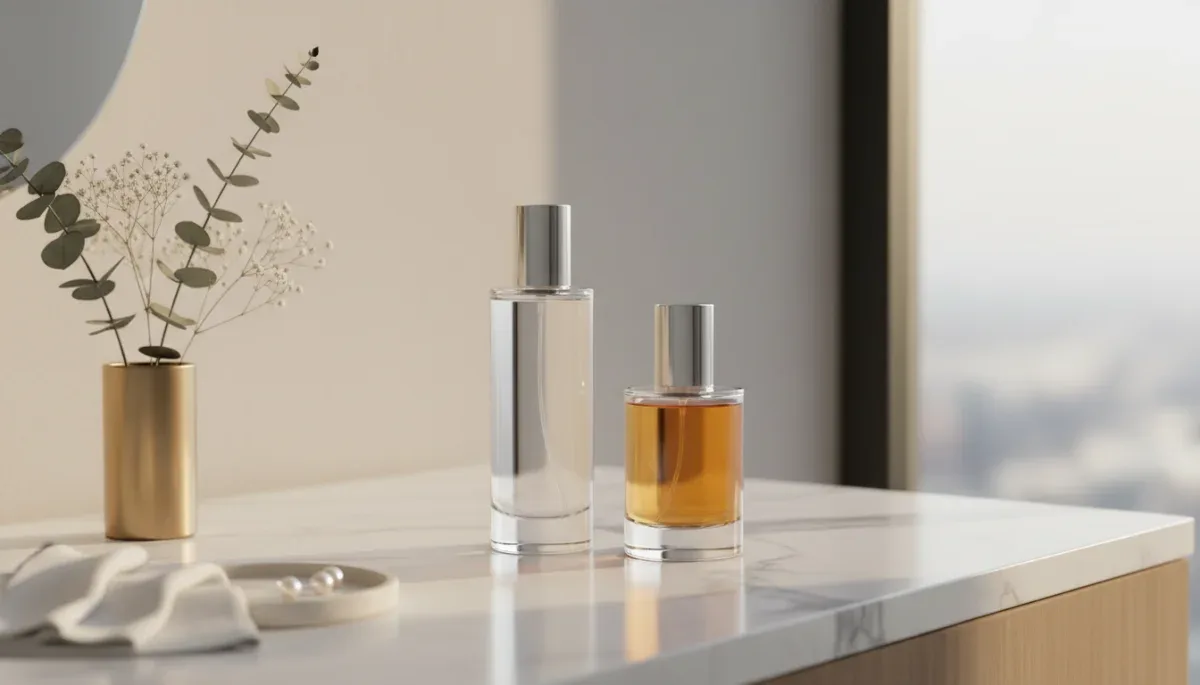
Eau de parfum offers the best balance of longevity, projection, and value for most daily routines, whereas extrait de parfum delivers an intimate, highly concentrated scent that stays close to the skin for extended hours. Choosing the right formula depends on your daily environment, budget, and personal fragrance habits.
This comparison helps daily commuters, office workers, and fragrance enthusiasts choose between lighter daily sprays and concentrated pure perfumes without wasting product. While extrait de parfum contains higher amounts of raw fragrance oils, higher concentration does not always mean a louder scent profile.
Understanding fragrance oil concentration differences
Fragrance concentration refers to the ratio of aromatic compounds and pure perfume oils dissolved in alcohol and water. An eau de parfum typically contains between fifteen and twenty percent fragrance oil. This formulation provides a pronounced initial burst of top notes followed by steady heart notes that remain noticeable for several hours in standard indoor environments.
Advertisements
An extrait de parfum, also called pure perfume or parfum extract, contains between twenty and forty percent fragrance oil. Because it has significantly less alcohol, extrait evaporates much more slowly from the skin. The higher oil density anchors the scent, emphasizing heavy base notes such as resins, woods, amber, and vanilla over sharp citrus or light floral openings.
Key characteristics of perfume oil levels
- Eau de parfum: Contains fifteen to twenty percent oil, delivering strong initial projection with four to eight hours of noticeable wear.
- Extrait de parfum: Contains twenty to forty percent oil, creating a rich, close-wearing scent bubble that can last ten to twelve hours or longer.
- Alcohol content: Eau de parfum has higher alcohol volatility for wider dispersion, while extrait has lower alcohol for gentle skin evaporation.
Projection, sillage, and everyday office wear
When selecting eau de parfum vs extrait for daily activities, projection and sillage play a crucial role. Projection describes how far a scent radiates outward from your body, while sillage measures the lingering trail left behind as you move. In shared office spaces, classrooms, or public transit, overly strong fragrance trails can cause discomfort to sensitive coworkers.
Eau de parfum projects noticeably within an arm’s length during the first two to three hours. This makes it vibrant and easy to detect, but over-spraying can easily overwhelm an enclosed room. In contrast, extrait de parfum creates an intimate scent aura. It stays very close to the wearer, making it surprisingly discreet and well-suited for professional settings where personal space is tight.
Advertisements
Navigating daily fragrance etiquette
- Shared workspaces: Extrait de parfum offers subtle presence without filling the entire room.
- Outdoor or active days: Eau de parfum cuts through fresh air and active movement more effectively.
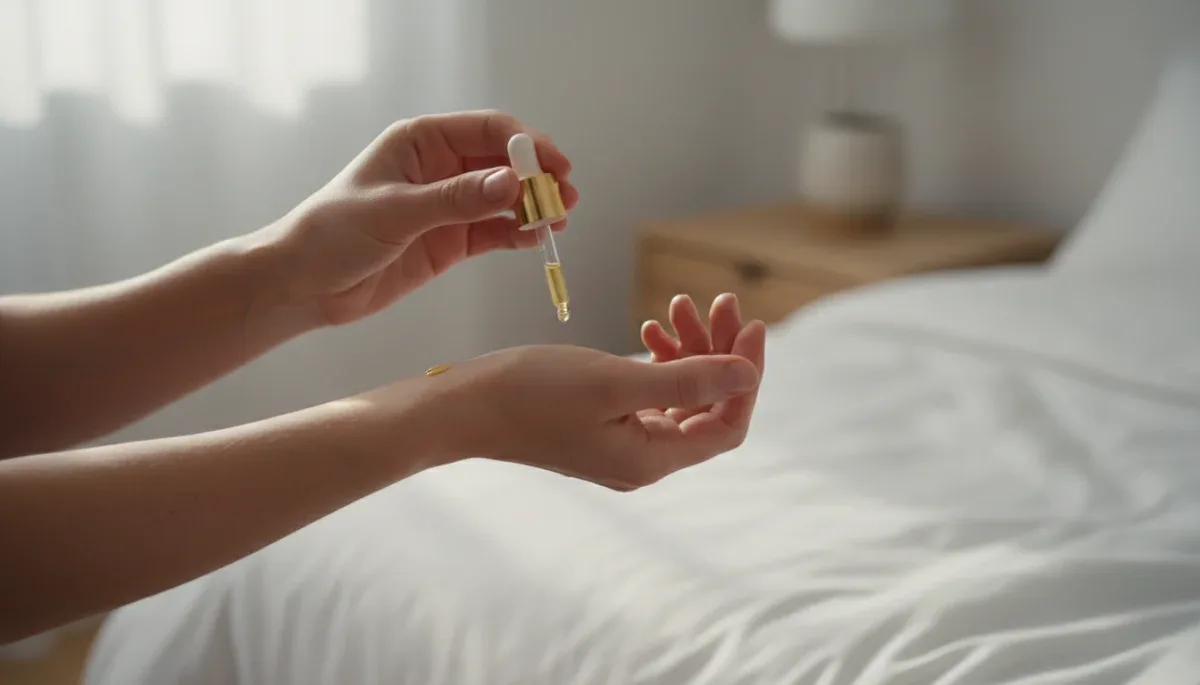
- Application control: Eau de parfum is easy to mist over clothes, whereas extrait should be applied directly to warm pulse points.
Longevity and performance on different skin types
The staying power of any fragrance depends heavily on how the aromatic oils interact with skin moisture and body chemistry. Dry skin absorbs volatile alcohol quickly, which can cause an eau de parfum to dissipate faster than expected. Applying an unscented moisturizer beforehand helps anchor the lighter oils in standard formulations.
Extrait de parfum naturally excels on all skin types because its dense botanical and synthetic base oils do not evaporate quickly. It binds directly to the epidermal lipid layer, slowly releasing fragrant molecules throughout an entire work day and evening. For people who dislike reapplication during busy work schedules, an extrait formula provides unmatched endurance without requiring a travel atomizer.
Cost per wear and application methods
Bottle prices for extrait de parfum are consistently higher than those for eau de parfum from the same fragrance house. A standard fifty-milliliter bottle of pure perfume can cost significantly more because of the higher raw material content. However, calculating the actual cost per wear provides a clearer perspective for regular daily users.
A single drop or dab of extrait de parfum provides the aromatic intensity of multiple sprays of an eau de parfum. Because you use far less volume per application, a small bottle of extrait often lasts twice as long as an eau de parfum bottle of equal size. If you prefer fine-mist coverage over garments and hair, eau de parfum remains the practical and economical option.
Choosing the right concentration for your routine
Matching your fragrance concentration to your lifestyle ensures you get maximum comfort and value. If you transition frequently between meetings, outdoor errands, and casual social gatherings, the lift and versatility of an eau de parfum fit natural daily rhythms without feeling heavy or sticky on the skin.
If you prefer a rich signature scent that remains private, subtle, and present until the end of the day, an extrait is worth the higher investment. Consider keeping a reliable eau de parfum for warm spring and summer mornings, while reserving deeper extrait formulations for temperature-controlled environments, formal workdays, or cooler fall and winter seasons.
At a glance
| Concentration | What to know |
|---|---|
| Eau de parfum | Contains 15 to 20 percent oil with noticeable projection for daily versatility. |
| Extrait de parfum | Contains 20 to 40 percent oil with intimate projection and maximum longevity. |
| Office suitability | Extrait stays close to the skin, while eau de parfum requires careful dose control. |
| Application volume | A single dab of extrait equals several full sprays of standard eau de parfum. |
Frequently asked questions
Can you wear extrait de parfum to work every day?
Yes, you can wear extrait de parfum to work daily because it sits close to the skin. Its lower alcohol content prevents strong projection across meeting rooms, making it courteous for close working quarters when applied sparingly to pulse points.
Does extrait de parfum always smell stronger than eau de parfum?
No, extrait de parfum does not always smell stronger or louder in the air. While it has deeper base notes and thicker density, it actually projects less outward than an eau de parfum, which uses alcohol to push top notes across larger distances.
Can I spray extrait de parfum directly onto my clothes?
You should avoid spraying extrait de parfum directly onto light-colored or delicate fabrics. Because pure perfume contains a high concentration of essential and synthetic oils, direct application to clothing can leave stubborn oil spots or permanent fabric stains.
How many sprays of eau de parfum are best for daily wear?
Two to three sprays of eau de parfum are typically sufficient for daytime settings. Applying one spray to the collarbone area and one to each wrist creates an even, moderate scent radius that lasts throughout standard daytime hours without becoming overwhelming.
The bottom line
Evaluating eau de parfum vs extrait comes down to whether you prefer an airy, projecting scent or a long-lasting, intimate fragrance bubble for everyday wear. Eau de parfum offers greater flexibility and easier application at a accessible entry price, while extrait provides lasting sophistication with minimal product use. Before buying a full bottle, test a sample on your skin for an entire day to confirm how the concentration develops with your body heat.
Written by
Mariana Viana
Mariana Viana writes about makeup, perfumes and shoes for bestinyour.com. Each article explains how things work, compares published details such as prices, policies and program rules, and points readers to the official source before they decide.