
Tubing mascara vs waterproof mascara for smudge prevention
Advertisements
Tubing mascara prevents under-eye smudging far more reliably than traditional waterproof mascara if your transfer is caused by natural skin oils, hooded eyelids, or hydrating eye creams. Traditional waterproof mascara remains the superior choice only when your primary concern is complete submersion in water, excessive tearing, or locking a firm curl into straight lashes throughout high-humidity events.
This comparison helps makeup wearers who struggle with persistent dark rings beneath their eyes by midday, though switching formulas requires adjusting how you apply your layers and wash your face at night. Understanding the underlying chemistry of film-forming polymers versus hydrophobic waxes ensures you invest in the right tube for your skin type, climate, and daily habits.
How tubing and waterproof formulas prevent smudges differently
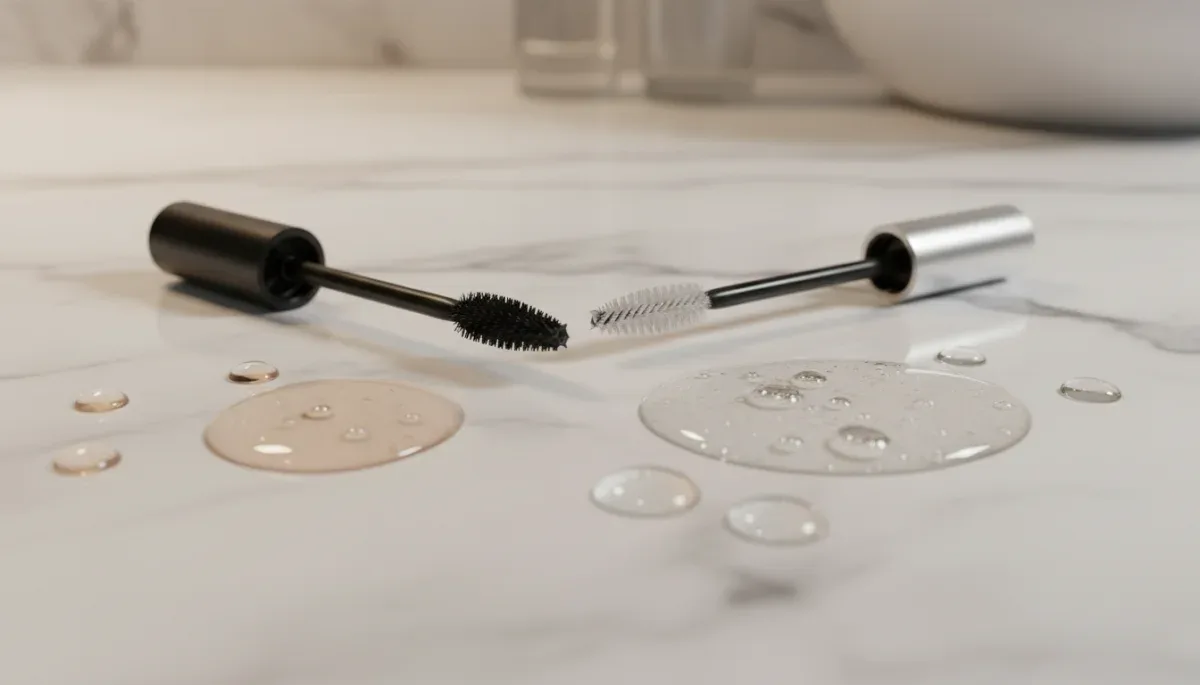
The difference between tubing mascara and standard waterproof mascara lies in the physical barrier each formula creates around your natural lashes. Traditional waterproof formulas rely on hydrophobic ingredients such as isododecane, synthetic beeswax, carnauba wax, and petroleum distillates. These ingredients actively repel moisture, which prevents tears, raindrops, and pool water from breaking the pigment down. However, these same waxes and volatile solvents are inherently lipophilic, meaning they dissolve readily when they come into contact with fats and oils.
Advertisements
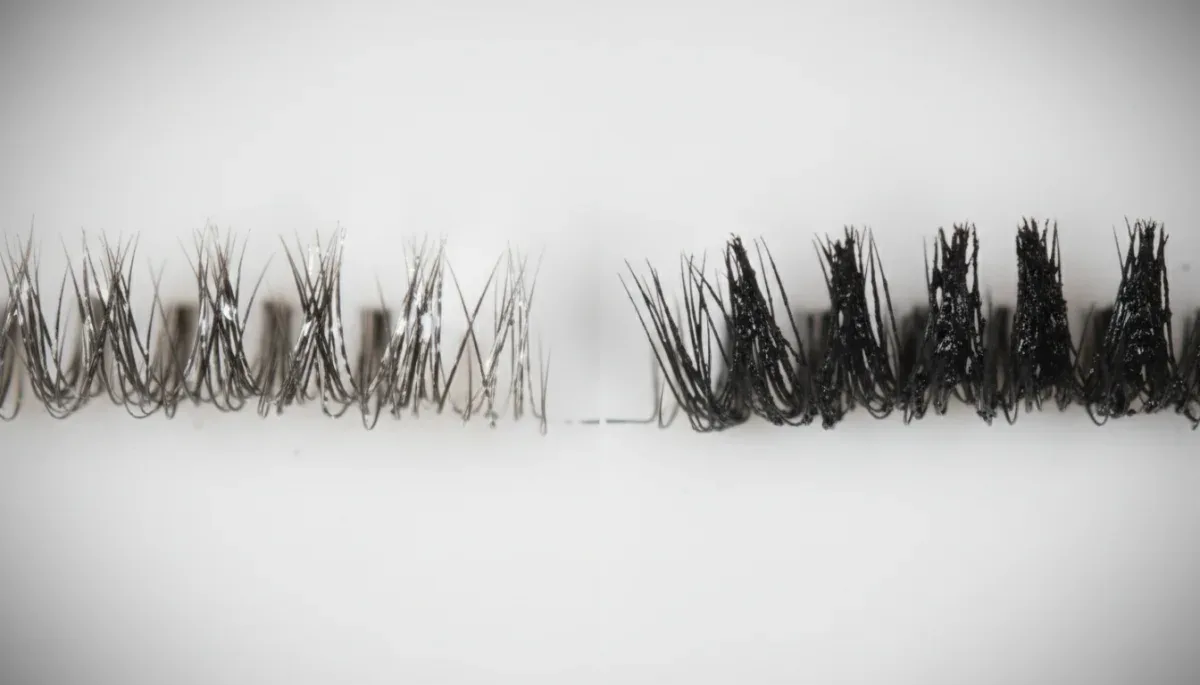
Tubing mascara relies on an entirely different category of cosmetic chemistry based on film-forming polymers, most commonly acrylates copolymer, polyvinylpyrrolidone, or ammonium acrylates copolymer. Rather than painting a layer of waxy pigment onto the lash shaft, a tubing formula wraps each individual hair in a flexible, three-dimensional polymer sleeve. Once these polymers dry, they create an elastic tube that does not respond to surface oils, sweat, or physical friction.
Because the polymer sleeve is completely oil-resistant, it will not break down when your lashes touch your brow bone or your lower eye area. The tubes remain mechanically locked around each lash until they are exposed to a specific combination of sustained warmth and moisture. This mechanical structure prevents the flaking, smearing, and gray shadows that frequently develop when standard pigment suspensions degrade over the course of a long workday.
Why oily eyelids and skin care cause waterproof mascara to fail
Many consumers purchase waterproof mascara under the assumption that waterproof means smudge-proof, only to discover dark smudges under their eyes within three or four hours of application. This occurs because the primary culprit behind midday mascara transfer is not moisture, but sebum. The human eye area produces natural oils through the sebaceous glands and the meibomian glands along the eyelid margins, and these lipids act as natural makeup removers against oil-soluble waxes.
Advertisements
Modern skin care routines compound this issue significantly. Rich daytime moisturizers, chemical sunscreens, squalane-based serums, and under-eye concealers contain emollient oils and fatty esters that migrate toward the lash line throughout the day as your facial muscles move. Every time you blink, your lashes sweep across this emollient barrier. When traditional waterproof mascara makes contact with these oils, the waxes soften, dissolve, and stamp a dark crescent onto your lower lid.
Common sources of oil-based mascara breakdown
- Facial sunscreens containing oil-soluble UV filters that migrate upward with facial warmth.
- Hydrating under-eye concealers formulated with mineral oil, jojoba oil, or caprylic triglycerides.
- Natural sebum production from combination or oily skin types concentrated on the central T-zone and eyelids.
- Heavy night creams applied too close to the eye orbit that remain on the skin surface into the morning.
Tubing mascara eliminates this breakdown mechanism entirely because polymers do not react to lipids. An oily lid or a rich under-eye balm cannot soften or dissolve an acrylate sleeve. Even if your lashes press continuously against oily skin, the polymer barrier stays completely intact, making it the practical choice for anyone with oily skin or hooded eyelids.
Removal methods and lash breakage risks
The method required to remove your mascara plays a substantial role in your overall lash retention and eyelid comfort. Traditional waterproof mascara requires dedicated oil-based cleansers, bi-phase liquid removers, or cleansing balms capable of dissolving tough waxes. Even with premium removers, the process routinely demands rubbing the delicate eye contour with cotton pads, reusable cloths, or fingertips. Over months and years, this continuous mechanical friction can lead to premature lash shedding, eyelid irritation, and laxity in the thin peri-orbital skin.
Tubing mascara requires no specialized cleansers, eye makeup removers, or aggressive rubbing. To remove a tubing formula, you simply splash your face with plenty of warm water, wait roughly twenty to thirty seconds for the heat and moisture to soften the polymer sleeves, and gently slide the tubes off the lashes using light pressure from your fingertips or a wet washcloth. The tubes slide away in distinct, lash-shaped casings that collect in the sink basin.
First-time users often worry that these discarded tubes are their real eyelashes falling out. They are merely hollow shells of dried polymer pigment that have released their grip from the smooth cuticle of the lash. Because no harsh solvents or vigorous scrubbing are involved, tubing mascara dramatically reduces mechanical lash breakage and minimizes the risk of getting cleansing oils into your eyes, making it an excellent alternative for contact lens wearers and those with sensitive eyes.
Holding a curl versus lengthening definition
While tubing formulas outperform waterproof options in oil resistance and gentle removal, waterproof mascara maintains an undeniable structural advantage for holding an upward curl on straight, downward-pointing, or heavy lashes. Waterproof mascara formulas contain very little water; instead, they are suspended in volatile solvents that evaporate rapidly after application. This lack of water prevents the natural hydrogen bonds in your lash hairs from breaking, effectively freezing your lash shape in place like a hairspray or setting wax.
Tubing mascaras contain water as an essential carrier liquid for the polymer emulsion. When applied to straight lashes that have been shaped with a mechanical lash curler, the water content in a fresh tubing formula can temporarily relax the newly formed curl before the polymer matrix completely sets. While modern tubing formulas dry much faster than early iterations, they generally produce a softer, more flexible hold that follows the natural curve of the lash rather than locking in a dramatic vertical lift.
Performance attributes to evaluate
- Curl retention: Traditional waterproof formulas hold a dramatic mechanical curl all day without drooping.
- Length and separation: Tubing mascaras excel at extending individual lash tips without spidery clumps.
- Volume building: Waterproof waxes allow for multiple layers of dense, dramatic root-to-tip thickness.
- Flake resistance: Tubing polymers flex with lash movement without shedding dry, dusty specks onto contacts.
If your primary aesthetic goal is high-volume, theatrical thickness and an aggressive upward lift, traditional waterproof mascara remains the standard. If your goal is clean, defined, fluttery length with zero dark transfer onto your brow bones or undereyes, tubing mascara produces the most consistent finish.
Choosing the right formula for your eye shape and lifestyle
Selecting between these two mascara types requires looking closely at your eye anatomy, climate, and daily physical activities. Eye anatomy dictates how often your lashes physically brush against surrounding skin surfaces. For example, individuals with deep-set eyes, monolid structures, or prominent brow bones experience continuous lash-to-skin contact with every single blink. For these eye geometries, traditional formulas almost always smear, whereas tubing formulas perform flawlessly.
Your environment and personal schedule also dictate which formulation holds up best under pressure. Waterproof mascara was engineered specifically for wet environments where complete water immersion occurs, such as lap swimming, beach visits, emotional events involving heavy crying, or sudden torrential rain. In those exact scenarios, tubing mascara can soften and release if hot water or friction is introduced, though cold water alone will generally leave the tubes intact.
Conversely, for intense indoor workouts, hot yoga classes, humid summer commutes, or long shifts in professional environments, sweat and facial sebum mix together on the skin. Tubing mascara resists this combination effortlessly. Frequent travelers, flight attendants, and hospital staff who work twelve-hour shifts often favor tubing formulas because they eliminate the need to inspect mirrors for under-eye smudging throughout the day.
Application techniques to maximize smudge resistance
To achieve the highest level of smudge prevention from either mascara type, your prep work and application technique must align with the product's underlying chemistry. When working with tubing mascara, lashes must be completely clean and dry before you begin. Any residual cleansing oils, micellar water, or rich eye creams left on the lash hair will create an unstable barrier, preventing the polymers from anchoring firmly to the lash cuticle.
Apply tubing mascara by placing the wand at the absolute base of the lash line and sweeping straight through to the tips with smooth, deliberate strokes. Unlike traditional mascaras, which benefit from vigorous wiggling at the roots to deposit volume, excessive zigzagging with a tubing formula can disrupt the polymer film as it begins to set. Build your desired length quickly while the formula is still wet, because once the polymer tubes dry down, attempting to comb a second coat over the top can cause the dried sleeves to drag or bunch.
If you prefer using traditional waterproof mascara for its curl retention, you can mitigate its vulnerability to facial oils by adjusting your eyelid prep. Lightly dust your upper eyelids and lower orbital area with an oil-absorbing translucent powder or cornstarch-based setting powder before applying mascara. This creates an absorbent dry barrier that slows the migration of sebum and cosmetic oils toward your lashes. Avoid applying heavy eye cream to your upper lids or directly along the lower lash line in the morning, reserving those richer treatments strictly for your nighttime routine.
At a glance
| Factor | What to know |
|---|---|
| Smudge cause | Tubing resists natural facial oils; waterproof resists water and heavy tears. |
| Removal effort | Tubing slides off cleanly with warm water; waterproof requires specialized oil cleansers. |
| Curl retention | Waterproof freezes stubborn curls in place; tubing provides flexible, natural lift. |
| Lash health | Tubing minimizes friction and loss; waterproof poses breakage risks from rubbing. |
Frequently asked questions
Can tubing mascara withstand heavy crying or swimming?
Tubing mascara will generally survive cold water exposure, but it can soften and slide off if you cry heavily or swim in warm water. Tears contain both warmth and natural salts, which can cause the polymer tubes to loosen from the lash shaft if you wipe your eyes.
How can I identify a tubing mascara in the store?
Look at the product packaging for terms like film-forming, tube technology, or wash-off with warm water. In the ingredient list, check near the top for polymer compounds such as acrylates copolymer, polyvinylpyrrolidone, or ammonium acrylates copolymer rather than heavy blends of synthetic beeswax and paraffin.
Can I layer tubing mascara over waterproof mascara?
Layering tubing mascara over a waterproof base is technically possible, but it compromises the performance of both products. The outer tubing layer cannot anchor properly to the waxy surface of the waterproof coat, which often causes the product to flake off during the day.
Does tubing mascara cause lashes to fall out during removal?
No, tubing mascara does not pull lashes out during normal removal. The black cylinders that appear in your sink are hollow polymer sleeves that have slid off the hair shaft. Your natural lashes remain firmly rooted in their follicles because no harsh pulling or rubbing is required.
The bottom line
Tubing mascara is the most effective solution for anyone whose mascara smudges due to oily skin, eye creams, or hooded eyelids, while traditional waterproof mascara remains best for holding a firm curl through water immersion and tears. Before purchasing a new product, examine your daily skin care routine and eyelid shape to confirm whether oil or water is the true cause of your smudging.
Written by
Maria Teixeira
Maria Teixeira writes about clothes, makeup and benefits for bestinyour.com. Each article explains how things work, compares published details such as prices, policies and program rules, and points readers to the official source before they decide.