
How to remove oil stains from silk fabric safely
Advertisements
You can remove oil from silk by applying an absorbent mineral powder immediately to pull grease out of the delicate fibers before washing with a pH-neutral liquid cleanser. This technique helps anyone dealing with salad dressing, cooking oil, or skincare residue on fine silk garments, though vintage pieces and patterned fabrics marked dry-clean only still carry a risk of localized color bleeding.
Silk is a natural protein fiber produced by silkworms, giving it a soft drape and distinct sheen that make it exceptionally vulnerable to liquid and friction. Because grease binds quickly to the microscopic protein strands, hot water and conventional stain removers can permanently alter the weave, create permanent rings, or strip dyed pigmentation. Handling the spot correctly requires gentle methods that respect the structure of the thread.
Understanding how oil bonds to silk protein fibers
Silk filaments consist primarily of fibroin, an animal protein with a triangular prism structure that refracts incoming light. This structure creates silk's signature luster, but the smooth surface also attracts lipid molecules from skin oils, butter, and cosmetic formulas. When oil settles into fibroin filaments, it penetrates between the woven strands, displacing ambient moisture and darkening the appearance of the fabric.
Advertisements
Unlike vegetable fibers such as cotton or linen, silk cannot tolerate high heat, vigorous friction, or alkaline cleansers. Heat cures protein structures and locks fatty acids into place, while rubbing causes fragile fibers to fray, creating a dull patch known as mechanical abrasion. Therefore, treating an oil spot on silk requires capillary absorption rather than surface agitation.
Water alone cannot break the hydrophobic bonds of an oil spill, and splashing tap water onto an untreated grease spot frequently leaves a distinct outer halo. Mineral deposits in municipal water combine with loosened surface lipids, settling around the perimeter of the wet area as it evaporates. Successful removal depends entirely on extracting the grease while the fabric remains completely dry.
The initial dry absorption technique
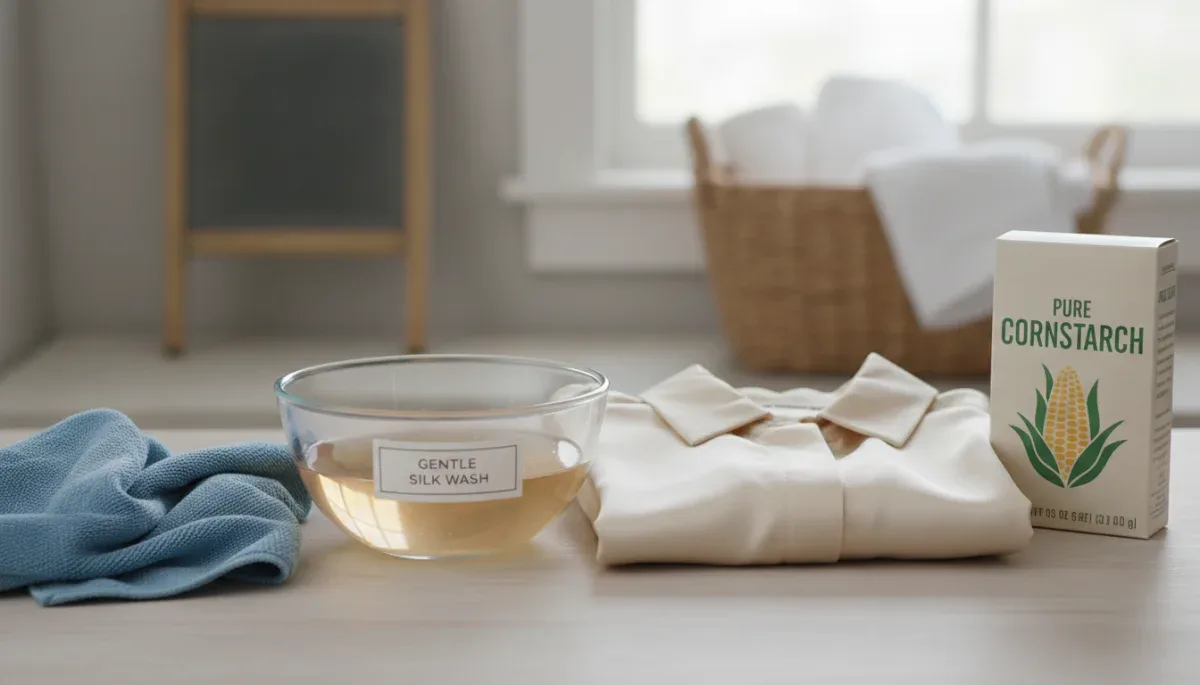
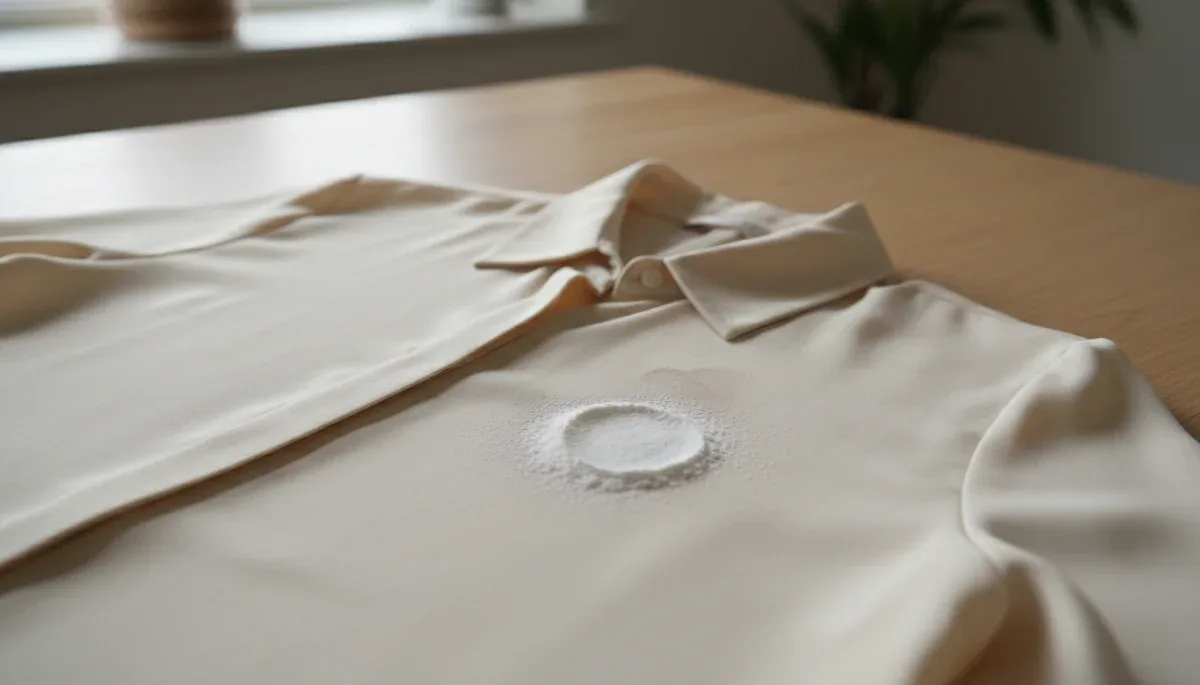
The first step in saving an oil-stained silk item is physical absorption using a fine, dry powder. Pure cornstarch, arrowroot powder, or talc-free baby powder works best because the micro-fine granules slip between the silk fibers to draw lipid compounds away from the weave. Never rub the spill with a paper towel, which pushes liquid grease deeper into the filament core.
Advertisements
Lay the garment flat on a clean, dry white cotton towel so grease does not migrate to the back layer of the clothing. Gently blot excess surface moisture using a dry white microfiber cloth, pressing straight down with moderate pressure. Once the standing oil is blotted, cover the affected spot with a generous mound of powder roughly one-quarter inch thick.
Steps for dry powder extraction
- Lay the garment flat on a clean, moisture-free surface over a light cotton backing towel.
- Sift fine cornstarch or arrowroot over the entire grease mark, extending slightly past its edges.
- Let the powder sit undisturbed for at least four hours, or ideally overnight in a cool room.
- Gently shake the garment over a wastebasket to release the saturated, clumped powder.
- Dust away residual particles using a clean, dry cosmetic powder brush with very soft bristles.
If the spot remains visible after shaking away the first application, apply a second layer of fresh powder. Light vegetable oils often lift entirely after two absorption cycles, eliminating the need to expose the silk garment to water.
Targeted spot treatment with mild detergent
When an oil mark persists after the dry extraction process, careful spot washing can dissolve remaining fatty residues. Standard commercial stain sprays, heavy enzymes, and chlorine bleach degrade animal fibers, weakening the threads until small tears appear. Instead, use a drop of mild, pH-neutral liquid dish soap formulated without dyes or a specialized silk and wool wash.
Dilute one drop of liquid cleanser in one-quarter cup of lukewarm distilled water. Tap water with elevated mineral content can react with detergent surfactants to form insoluble soap scum on silk. Dip the tip of a cotton swab or the corner of a clean microfiber cloth into the diluted solution, shaking off any dripping moisture before touching the fabric.
Dab the damp applicator directly onto the center of the stain, working carefully outward toward the edges to prevent water rings. Avoid rubbing or scrubbing the weave back and forth, as friction causes silk filaments to break and pill. Press a dry cotton cloth against the underside of the fabric to draw the moisture and dissolved oil out of the garment simultaneously.
Washing and rinsing silk without water marks
To avoid noticeable boundary lines where the damp patch met dry fabric, you must wet the entire garment after spot cleaning. Immersing the entire item distributes water exposure evenly across all woven yarns, ensuring consistent tension and pigment tone throughout the piece. Fill a clean washbasin with lukewarm or cool water at approximately 85 degrees Fahrenheit.
Submerge the entire garment, gently swirling it through the water for two minutes without wringing, twisting, or stretching the seams. If needed, mix a teaspoon of delicate fabric wash evenly throughout the water before submerging the garment. This step lifts any loosened grease molecules away from the surface while refreshing the overall textile.
Drain the soapy water and refill the basin with fresh, cool water to rinse thoroughly. You may add one tablespoon of distilled white vinegar to the final rinse basin. Mild acetic acid helps neutralize detergent residue, dissolves alkaline minerals, and restores the natural acidic balance of silk, preserving its original softness and flexible hand.
Drying and pressing silk safely
Never place silk garments in a tumble dryer, because high convective heat and tumbling friction rapidly shrink natural protein fibers and destroy their structural integrity. Instead, lift the rinsed silk out of the water, supporting the weight of the garment with both hands so wet seams do not stretch or warp under tension.
Place the wet piece flat between two clean, dry white bath towels. Roll the towels up together from one end to the other like a jelly roll, creating gentle pressure that transfers excess moisture into the terrycloth without squeezing the silk threads. Unroll the towels, remove the garment, and lay it flat on a drying rack away from direct sunlight and central heating vents.
When the silk is nearly dry but retains a trace of ambient dampness, you can smooth out minor wrinkles using an iron on the lowest heat setting. Turn the garment inside out, place a clean white press cloth between the metal iron plate and the silk, and keep the iron moving continuously. Never use steam settings, which can produce localized water spots on dried silk surfaces.
When to consult a professional dry cleaner
Certain silk items should not be treated at home with water or wet cleansers. Garments constructed with structured tailoring, shoulder pads, interior canvassing, or delicate lining materials require commercial dry cleaning to maintain their structural shape. Similarly, silk crepes, georgettes, and heavy raw silks often react unpredictably to spot treatment.
Check the manufacturer care tag attached to the garment's interior side seam. If the label states "Dry Clean Only" rather than "Dry Clean," wet laundering can lead to fiber shrinkage or dye migration. In contrast, labels reading "Dry Clean Recommended" often permit gentle hand laundering if tested first on an inconspicuous area.
Before handing a stained garment to a dry cleaner, inform the counter staff about the origin of the spot. Let them know whether the mark came from cooking butter, motor oil, cosmetic lotion, or salad dressing, and confirm if you applied cornstarch. Professional cleaners use non-aqueous hydrocarbon or modified alcohol solvents that target lipids without introducing water rings.
At a glance
| Treatment step | What to know |
|---|---|
| Dry powder blot | Cornstarch absorbs lipids without damaging protein fibers. |
| Spot cleaning | Dab diluted pH-neutral soap using distilled water to prevent mineral rings. |
| Rinsing method | Submerge the entire item in cool water to avoid visible drying lines. |
| Pressing protocol | Iron inside out on low heat using a protective cotton press cloth. |
Frequently asked questions
Can rubbing alcohol remove oil from silk?
No, rubbing alcohol should not be used on silk garments. Isopropyl alcohol can strip delicate acid dyes, leading to permanent discoloration, and it strips the natural sericin coating from silk filaments, leaving treated sections stiff and brittle.
Will baking soda ruin delicate silk fabric?
Yes, baking soda can damage silk because it possesses a relatively high alkaline pH level. Protein fibers degrade when exposed to alkaline compounds, so you should use neutral absorbents like cornstarch, arrowroot, or untreated talc instead.
How do you prevent water rings when spot cleaning silk?
You prevent water rings by dipping the entire garment in water after completing your spot treatment. Submerging the entire piece ensures uniform moisture absorption and prevents dissolved minerals from collecting along the drying edge of a single spot.
Can an old oil stain still be removed from silk?
Yes, older oil stains can often be removed, but they require repeated applications of dry absorbent powder followed by gentle hand washing. If the fabric was previously exposed to hot dryer air, professional solvent cleaning offers the safest remaining option.
The bottom line
Removing oil from silk fabric requires dry absorption using cornstarch, followed by gentle, full-garment rinsing with a neutral cleanser to prevent halos. Avoid vigorous rubbing, high heat, and harsh alkaline products that permanently degrade protein threads. Before applying any liquid or detergent treatment, check the manufacturer care tag and test an interior seam allowance for colorfastness.
Written by
Maria Eduarda
Maria Eduarda writes about benefits, clothes and shoes for bestinyour.com. Each article explains how things work, compares published details such as prices, policies and program rules, and points readers to the official source before they decide.