
Cotton vs linen: how fabric weave affects breathability
Advertisements
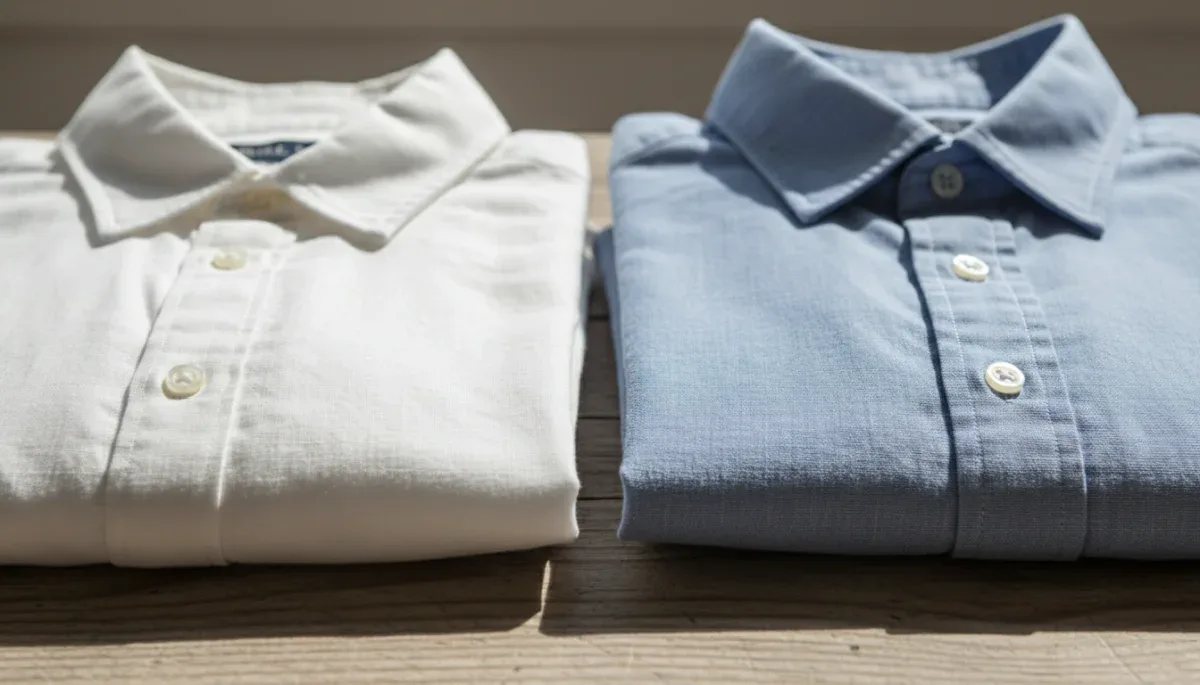
Linen shirts generally offer superior airflow compared to standard cotton shirts because linen yarn is thicker and naturally woven into looser, more open structures. The physical space between individual threads allows air to circulate directly against the skin, facilitating rapid body heat dissipation.
This comparison helps anyone building a warm-weather wardrobe choose garments that stay dry and comfortable, though fabric weight, weave style, and wrinkling tendencies will influence your final choice. Understanding how fiber characteristics interact with weaving techniques ensures you select the right shirt for different temperatures and formal settings.
Understanding fiber mechanics and natural airflow
The fundamental difference between cotton and linen begins at the plant level. Cotton is derived from the protective boll around cotton seeds, producing relatively short, fine, and flexible staple fibers. When spun into yarn, cotton creates a smooth, compact thread that can be woven into extremely tight configurations. This natural softness provides comfort, but the dense arrangement of fine yarns can trap a layer of warm air against the body.
Advertisements
Linen is harvested from the stalk of the flax plant. Flax bast fibers are naturally longer, stiffer, and significantly thicker than cotton fibers. Because flax yarns possess natural irregularities, or slubs, textile mills cannot pack them as tightly on a loom without creating an overly stiff garment. This physical limitation is precisely what gives linen its cooling advantage. The irregular thickness forces a looser weave with measurable gaps between threads, creating pathways for warm air to escape and cool air to enter.
Key structural differences
- Fiber rigidity: Flax fibers contain higher levels of lignin and pectin, giving linen natural stiffness that holds fabric away from the skin.
- Moisture conduction: Linen fibers feature a hollow core, or lumen, which draws moisture away from the skin and releases it quickly into the atmosphere.
- Fiber diameter: Cotton fibers are significantly finer, allowing tighter thread packing per square inch than flax yarns.
- Yarn smoothness: Cotton yarn produces minimal surface irregularity, whereas linen yarns feature visible slubs and variable thickness throughout the garment.
How weave structure dictates shirt ventilation
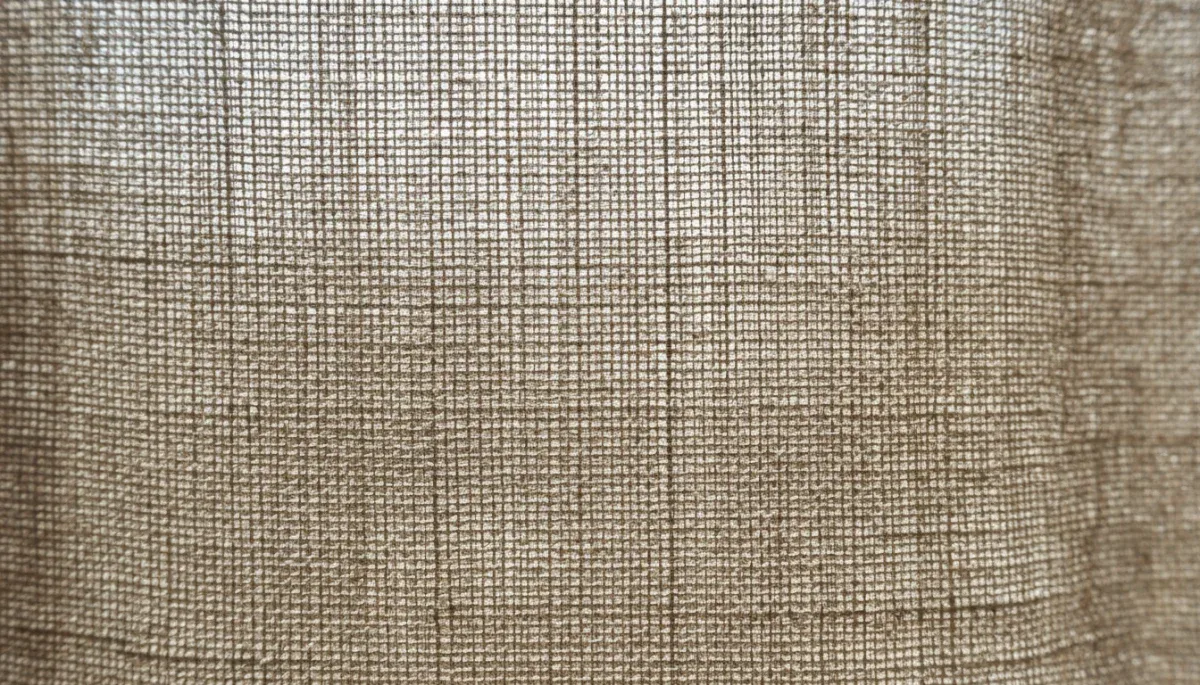
A textile weave is the specific pattern in which lengthwise warp yarns and crosswise weft yarns intersect. The openness of this intersection, often measured as fabric porosity, plays a larger role in thermal comfort than fiber content alone. An open weave allows convective air cooling, where ambient breezes penetrate the shirt and strip away the microclimate of heat and humidity generated by the body.
When a fabric is woven tightly, it acts as a windbreak. In cold weather, this trapping of still air provides welcome insulation. In high heat, however, a tight weave prevents sweat evaporation and traps heat. The structural openness of a weave is determined by thread count, yarn diameter, and loom tension. High thread count fabrics use very fine threads packed tightly together, which decreases porosity and reduces breathability regardless of whether the fiber is natural cotton or flax.
Advertisements
Common weave types compared
- Plain weave: A basic over-under pattern that can range from sheer and breathable to dense and wind-resistant depending on thread spacing.
- Basket weave: Two or more warp threads cross over two or more weft threads, creating a grid structure with natural micro-apertures.
- Twill weave: A diagonal rib pattern that packs yarns closely together, resulting in a heavier, less breathable fabric commonly found in chinos and winter shirts.
- Jacquard weave: An intricate loom technique creating decorative patterns that often vary in density across different zones of the garment.
Popular cotton shirt weaves and their performance
Cotton versatility stems from its ability to take on diverse weave configurations. A standard cotton dress shirt is typically made from poplin, also known as broadcloth. Poplin is a tightly woven plain weave with fine warp yarns and slightly thicker weft yarns. Because the weave is dense and smooth, cotton poplin offers crisp aesthetics but minimal passive airflow, making it surprisingly warm in humid conditions.
In contrast, oxford cloth uses a modified basket weave. The traditional oxford shirt pairs two fine warp threads with one heavier, softer weft thread. This looser intersection creates small air channels throughout the textile. While oxford cloth is physically heavier than poplin, its open basket structure often allows better ventilation. For maximum cotton breathability, specialized summer weaves like seersucker alter loom tension to produce raised, puckered stripes that physically lift the fabric off the skin.
Breathability ratings for cotton constructions
- Cotton seersucker: Exceptional airflow due to permanent woven puckers that minimize skin contact and maximize convective ventilation.
- Cotton voile and lawn: High airflow achieved by using fine, high-twist yarns in an open plain weave that creates semi-sheer, lightweight fabrics.
- Oxford cloth: Moderate airflow supported by its porous basket weave, balancing durability with everyday warm-weather utility.
- Cotton broadcloth and poplin: Low airflow caused by dense thread packing that traps heat and restricts breeze penetration.
Linen weaves and summer climate realities
Pure linen shirts almost exclusively utilize a plain weave construction. Because flax yarns are inherently coarse and less pliable than cotton, the plain weave pattern naturally forms an open, mesh-like grid. When held up to a light source, a standard linen shirt displays visible points of light through the matrix of threads. This porous grid ensures that even subtle air movements circulate freely across the skin.
The performance of linen in hot climates is also enhanced by its moisture management. Flax can absorb up to twenty percent of its dry weight in moisture before feeling damp to the touch, and its stiff structure prevents it from clinging to sweaty skin. However, 100% linen lacks elasticity. The low flexibility of flax fibers causes them to break or crease under pressure, producing the characteristic wrinkles associated with linen garments. Cotton-linen blends attempt to balance this trait, introducing the softness and wrinkle resistance of cotton while maintaining much of the open weave porosity of flax.
Practical factors when wearing linen
- Evaporative cooling: The open weave accelerates moisture evaporation, creating a measurable cooling effect in dry or breezy heat.
- Creasing behavior: Rigid flax cell walls hold fold lines, requiring frequent steaming or acceptance of an informal, lived-in appearance.
- Drape and structure: The natural stiffness of linen prevents cling, maintaining an insulating air gap between the shirt and upper body.
- Fabric longevity: Flax fibers gain strength when wet, allowing pure linen shirts to withstand repeated laundering cycles over many years.
Fabric weight, thread count, and yarn thickness
A common misconception in garment shopping is that a higher thread count always indicates a higher quality or cooler shirt. Thread count simply measures the total number of warp and weft threads per square inch of fabric. In warm weather shirting, an excessively high thread count means yarns must be packed tightly together, eliminating the empty spaces needed for air transfer. Lower to medium thread counts with balanced yarn thickness provide significantly better ventilation.
Fabric weight is measured in grams per square meter, often abbreviated as GSM, or in ounces per square yard. A lightweight shirt fabric generally falls between 100 and 130 GSM, medium weight spans 130 to 170 GSM, and heavy fabrics exceed 170 GSM. A medium-weight linen with an open weave can feel significantly cooler than a lightweight cotton poplin with a dense weave, demonstrating that weave permeability often outweighs basic weight metrics.
Evaluating garment tags and specifications
- Yarn count numbers: Higher numbers (such as 80s or 100s two-ply) indicate finer yarns that yield smoother, denser, and less porous textiles.
- Fabric weight metrics: Look for shirts under 130 GSM for summer wear, ensuring the material remains light on the shoulders.
- Fiber purity: Check garment labels for synthetic additions; polyester or nylon blends often reduce the natural breathability of cotton or linen.
- Finishing treatments: Non-iron and wrinkle-free chemical coatings applied to cotton can seal the yarn pores, noticeably degrading fabric airflow.
Garment fit and everyday maintenance considerations
The cut of a shirt directly alters how its weave performs in real-world conditions. A closely tailored slim-fit shirt presses fabric firmly against the torso, compressing air channels and transferring sweat directly into the weave. A relaxed or classic fit encourages a natural bellows mechanism. As you walk, the loose fabric moves rhythmically against your body, drawing outside air through the open weave and venting warm internal air out through the collar, sleeves, and hem.
Maintenance routines also impact how long fabrics retain their breathability. Using liquid fabric softeners on cotton or linen leaves a thin, hydrophobic silicone coating on the fibers. This coating clogs the weave interstices and impairs the natural moisture-wicking and drying capabilities of flax and cotton. Washing garments with mild detergent and allowing them to air dry preserves the open structure of the weave and prolongs garment life.
Care practices that preserve fabric porosity
- Avoid fabric softeners: Skip commercial conditioning agents to prevent chemical residue from clogging open weave gaps.
- Air dry when possible: Line drying preserves the structural integrity of natural plant fibers and prevents heat-induced fiber shrinkage.
- Steam rather than press: Using a garment steamer relaxes flax fibers without compressing the weave as heavily as a hot flat iron.
- Wash in cold water: Gentle washing cycles protect delicate open weaves from mechanical distortion and thread shifting.
At a glance
| Factor | What to know |
|---|---|
| Weave openness | Linen plain weave features wider thread spacing and superior natural porosity compared to cotton. |
| Skin contact | Linen stiffness holds fabric away from skin, while fine cotton can cling when damp. |
| Weave versatility | Cotton accommodates diverse weaves from dense poplin to open seersucker and basketweave oxford. |
| Care requirements | Linen wrinkles easily and softens over time, whereas cotton requires less frequent pressing. |
Frequently asked questions
Does high thread count cotton breathe better than low thread count?
No, high thread count cotton does not breathe better. High thread counts pack fine yarns tightly together, closing the micro-gaps between threads and trapping body heat. Lower to moderate thread counts with an open weave allow far more air circulation.
Are cotton and linen blends better than pure linen?
Cotton-linen blends offer a practical compromise rather than absolute superiority. Blending cotton with flax softens the fabric and reduces sharp wrinkling, but it slightly lowers overall airflow compared to pure, loose-weave linen.
Why does linen feel cooler to the touch than cotton?
Linen feels cooler because flax fibers have high thermal conductivity and a hollow structure that quickly draws heat away from the skin. Combined with an open weave, this allows immediate heat dissipation.
Can you wear cotton shirts comfortably in humid weather?
Yes, you can wear cotton shirts in humid weather if you select an open weave such as seersucker, loose oxford, or lightweight voile. Avoid dense, tightly woven cotton poplin or treated non-iron dress shirts in high humidity.
The bottom line
Choosing between cotton and linen shirts comes down to how weave openness and fiber properties manage heat and moisture. Linen delivers unmatched ventilation through its naturally thick fibers and porous plain weave, while specialized cotton constructions like seersucker and open-weave oxford offer strong performance with less wrinkling. Before buying your next warm-weather shirt, check the garment label for fiber content and hold the fabric up to the light to confirm the openness of the weave.
Written by
Maria Eduarda
Maria Eduarda writes about benefits, clothes and shoes for bestinyour.com. Each article explains how things work, compares published details such as prices, policies and program rules, and points readers to the official source before they decide.