
How perfume concentrations differ and what to check
Advertisements
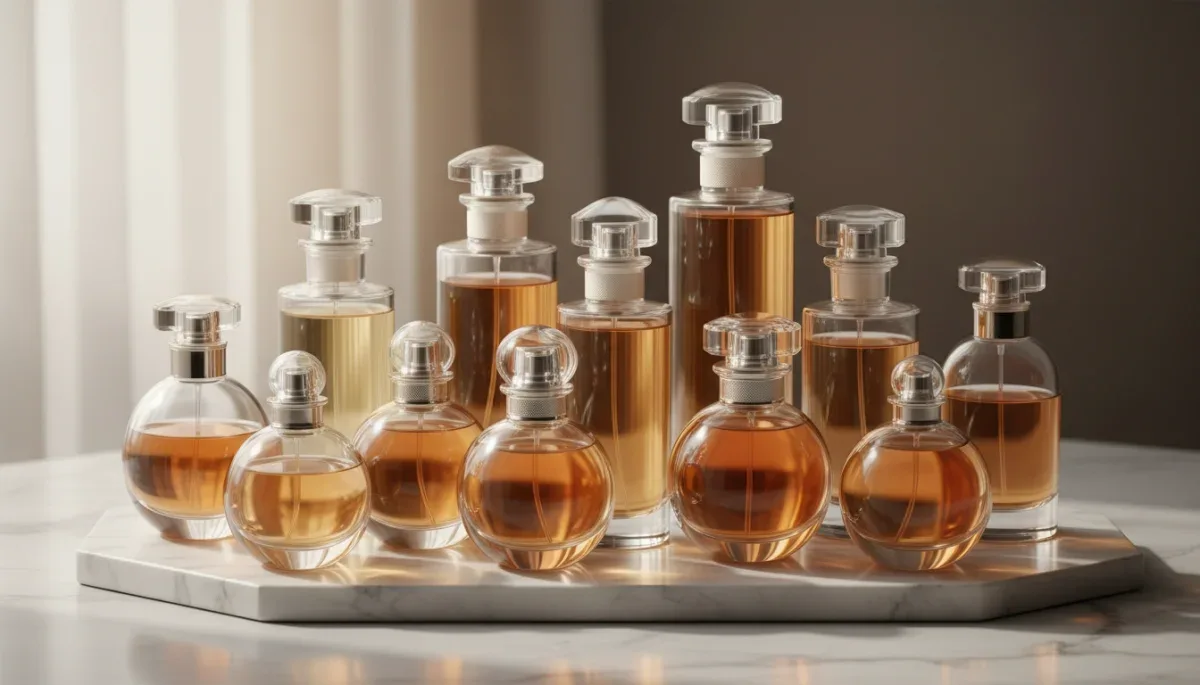
Perfume concentrations differ primarily by the proportion of aromatic compounds relative to the carrier alcohol and water base, which determines how long the scent stays on the skin and how strongly it projects into the surrounding air. This perfume concentrations guide breaks down each classification to help you identify the right formulation for your personal routine.
Knowing these structural differences helps shoppers select a fragrance that aligns with their desired intensity and daily environment, though higher oil concentrations invariably come with higher retail costs and subtler initial projection. Taking time to review official product labels ensures you receive the exact performance level you expect.
The standard categories of fragrance concentration
The fragrance industry classifies scents into standardized categories based on the percentage of aromatic oils contained in the solution. Pure fragrance oil is diluted in ethanol to allow the scent to atomize properly, disperse through the air, and develop across different aromatic stages over time.
Advertisements
Lighter formulas contain less aromatic compound and more alcohol, which creates a quick burst of freshness that fades within a couple of hours. Richer categories contain higher amounts of concentrated oils, anchoring the base notes to the skin so the aroma remains perceptible throughout the entire day.
Standard oil concentration categories
- Eau Fraîche: Contains 1% to 3% aromatic oils, providing a light veil of scent that lasts roughly one hour.
- Eau de Cologne: Contains 2% to 4% aromatic oils, traditionally highlighting bright citrus notes for two to three hours.
- Eau de Toilette: Contains 5% to 15% aromatic oils, balancing radiant top notes with moderate longevity of four to six hours.
- Eau de Parfum: Contains 15% to 20% aromatic oils, emphasizing rich middle and base notes that persist for six to eight hours.
- Parfum or Extrait: Contains 20% to 40% aromatic oils, delivering an intimate, full-bodied trail that can last ten hours or longer.
How concentration affects longevity and projection
Longevity refers to the total number of hours a fragrance remains detectable on the skin, while projection measures the distance the scent travels into the space around the wearer. A common misunderstanding among buyers is assuming that higher concentration automatically yields a louder, more room-filling aroma.
Alcohol evaporates rapidly, lifting aromatic molecules away from your body. Because an Eau de Toilette contains a higher proportion of alcohol, it often projects further during the first hour than a pure Parfum. In contrast, an Extrait de Parfum sits closer to the skin, creating an intimate aura, or sillage, that unfolds gradually without overwhelming nearby people.
Advertisements
Heavier base notes like sandalwood, vanilla, amber, and patchouli naturally cling to lipid layers in the skin. Lighter citrus and green notes evaporate quickly regardless of concentration, which is why even potent formulations rely on dense foundational ingredients to achieve extended wear times.
Why fragrance notes change between formulations
Perfume houses rarely create an Eau de Parfum simply by increasing the oil percentage of an existing Eau de Toilette. In most cases, the perfumer reconstructs the formula entirely to ensure the composition maintains harmony at different evaporation rates.
An Eau de Toilette version of a scent often highlights crisp top notes such as bergamot, pink pepper, or aldehyde accords to maximize freshness. The Eau de Parfum counterpart of the same fragrance name typically boosts floral heart notes or woody base accords, resulting in a warmer, deeper profile that feels noticeably distinct on the skin.
Comparing these versions directly before purchasing prevents unexpected surprises. If you enjoy the bright opening of an in-store tester, verify whether the bottle you are evaluating is the lighter formulation or the denser, base-heavy edition.
What to check on the packaging and bottle before buying
Before completing a purchase, carefully inspect both the exterior carton and the base of the bottle to confirm authenticity and freshness. Authentic fragrances display consistent typography, precise concentration designations, and regulatory labeling compliant with regional consumer standards.
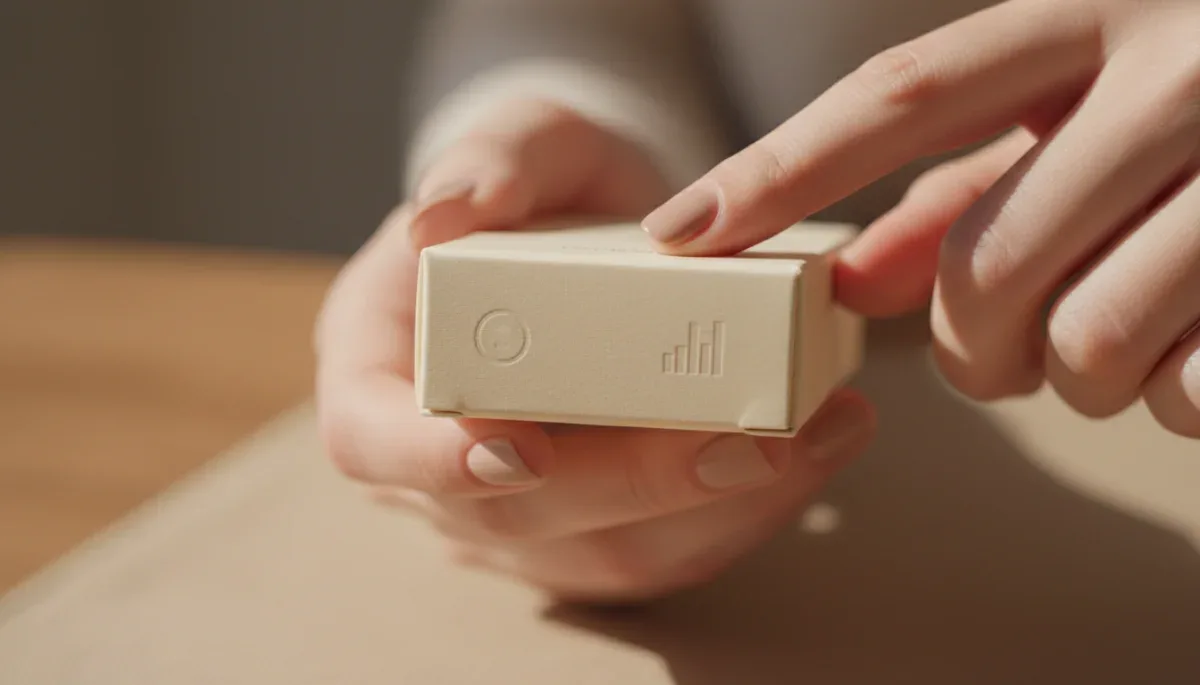
Always locate the batch code stamped or etched into the bottom of the packaging and confirm that it matches the alphanumeric code printed on the bottom of the glass bottle. A missing, altered, or mismatched batch code indicates potential tampering or grey-market stock stored under unknown conditions.
Check the list of ingredients on the box for common stabilizers and allergen disclosures, as well as the manufacturer address. Purchasing through authorized department stores, dedicated brand boutiques, or verified beauty retailers ensures you receive authentic inventory that has been stored away from damaging heat and direct sunlight.
Testing concentrations properly before making a purchase
Evaluating a fragrance solely on paper blotters provides an incomplete impression because paper lacks the warmth, moisture, and natural oils of human skin. While blotters work well for narrowing down initial options, you should always test your final choice directly on your wrist or inner elbow.
Allow the liquid to dry naturally without rubbing your wrists together, as friction generates heat that breaks down delicate top notes prematurely. Observe how the scent develops over a minimum of four hours to see how the heart and base notes interact with your individual skin chemistry.
Consider the environment where you plan to wear the fragrance most often. Workplaces and warm climates generally call for the lighter touch of an Eau de Toilette, while evening occasions and cooler seasons comfortably accommodate the dense depth of an Eau de Parfum or Extrait.
At a glance
| Concentration tier | What to know |
|---|---|
| Eau de Cologne | Contains light oil ratios designed for quick, refreshing application lasting two to three hours. |
| Eau de Toilette | Balances noticeable projection with four to six hours of daytime longevity. |
| Eau de Parfum | Offers rich heart notes and solid six to eight hour endurance suitable for all-day wear. |
| Parfum / Extrait | Provides the highest oil density with intimate projection and ten or more hours of wear. |
Frequently asked questions
Does Eau de Parfum always smell better than Eau de Toilette?
No, scent preference depends entirely on individual taste and note composition. An Eau de Toilette often smells brighter and crisper due to higher top-note emphasis, whereas an Eau de Parfum feels deeper and warmer. Neither concentration is inherently superior in aromatic quality.
Why does the same concentration last longer on some people?
Skin hydration levels, natural surface lipids, and ambient humidity directly affect fragrance longevity. Well-moisturized skin holds onto aromatic oils much longer than dry skin, which allows volatile molecules to evaporate rapidly and shorten the total wear time of any concentration tier.
Can high perfume concentrations stain light clothing?
Yes, Extraits and rich Eau de Parfums contain higher quantities of natural oils and resinous compounds that can leave faint marks on delicate fabrics. It is safest to spray concentrated perfumes directly onto pulse points on bare skin before getting dressed.
Do higher perfume concentrations expire faster in the bottle?
No, formulations with higher alcohol content can actually be more prone to evaporation if caps are loose, though high oil concentrations can oxidize over several years. Storing any bottle in a cool, dark cabinet away from bathroom humidity protects both oil and alcohol stability.
The bottom line
Selecting the correct fragrance concentration comes down to deciding how long you want the scent to last, how closely you want it to project, and which olfactory notes you prefer to emphasize throughout the day. Review the concentration label, verify matching batch codes between the box and bottle, and always test the formula on your skin before completing a purchase at an authorized retailer.
Written by
Mariana Viana
Mariana Viana writes about makeup, perfumes and shoes for bestinyour.com. Each article explains how things work, compares published details such as prices, policies and program rules, and points readers to the official source before they decide.