
Cream vs Powder Blush for Dry and Mature Skin
Advertisements
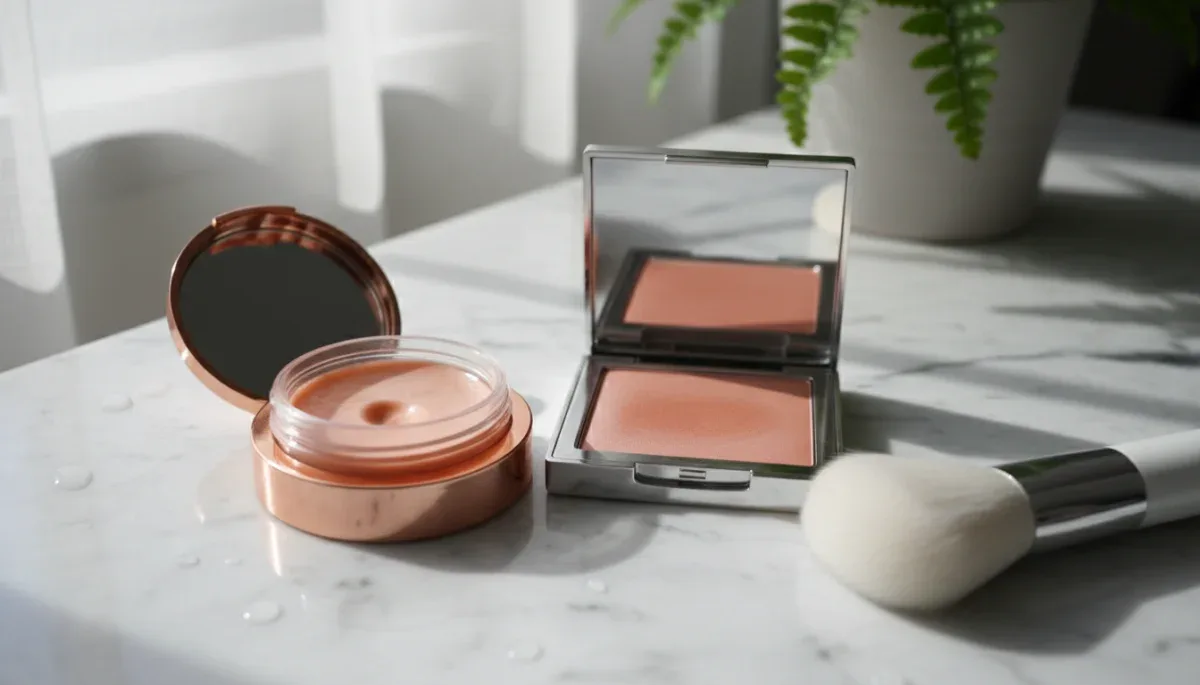
Cream blush is generally the superior formula for dry and mature skin types because it deposits moisture and emollient oils that mimic healthy skin sheen rather than absorbing natural moisture. Powder blush tends to cling to flaky patches, emphasize dynamic expression lines, and sit noticeably on top of diminished lipid barriers.
This comparison helps anyone dealing with reduced skin elasticity, thinning dermal layers, seasonal dryness, or surface dehydration select an everyday cheek color that does not settle into creases. The main tradeoff involves longevity, as emollient creams migrate faster across the skin throughout the day and require more precise setting techniques than traditional pressed powders.
How formulation affects dry and mature skin
The core difference between these two cosmetics lies in their base vehicle. Powder blushes are formulated primarily with minerals, talc, mica, synthetic fluorphlogopite, or cornstarch bound together with small amounts of zinc stearate and lightweight silicone oils. These dry particulates work by adhering mechanically to surface lipids and hairs. On a dry complexion, where surface sebum is already scarce, dry powder particles absorb what little natural surface oil exists. This causes the cosmetic film to fracture into microscopic cracks, visually amplifying dryness and creating a chalky cast over areas with uneven texture.
Advertisements
Mature skin naturally experiences decreased epidermal cellular turnover and a progressive thinning of the dermis alongside reduced natural moisture factors. When a cosmetic lacks moisture, it sits as a static layer across flexible, moving skin folds. When you smile or speak, powder layers crack and shift, collecting inside wrinkles around the eyes and along the tops of the cheek apples.
Cream formulas, by contrast, utilize lipid-rich carrier bases such as caprylic/capric triglyceride, jojoba seed oil, shea butter, squalane, or synthetic ester waxes. These emollients melt at normal human skin temperature, which allows the pigment particles to suspend inside a flexible matrix. Instead of forming a dry boundary layer, a cream blush integrates into the stratum corneum and moves dynamically as your facial muscles flex. This hydration softens the appearance of surface cross-hatching, giving mature cheeks a plumper, more rested finish.
Key differences in surface interaction
- Emollient integration: Cream formulas fuse with underlying skincare and liquid foundation, creating a unified and pliable barrier.
- Light reflection: Oils and esters in creams reflect light uniformly, diffusing visual shadows cast by deep lines and hollowed cheeks.
- Moisture preservation: Cream products reduce trans-epidermal water loss across the midface by providing a light occlusive barrier.
- Textural softening: Creams lubricate desquamating skin flakes, smoothing rough skin patches rather than emphasizing their raised edges.
Understanding these biological interactions makes it clear why modern cosmetic chemists design cream products specifically targeting aging skin demographics. When evaluating options in beauty aisles like Ulta or Sephora, reading the ingredient list can immediately indicate whether a product contains adequate emollient support or relies heavily on drying texturizers.
Advertisements
The practical benefits and drawbacks of cream blush
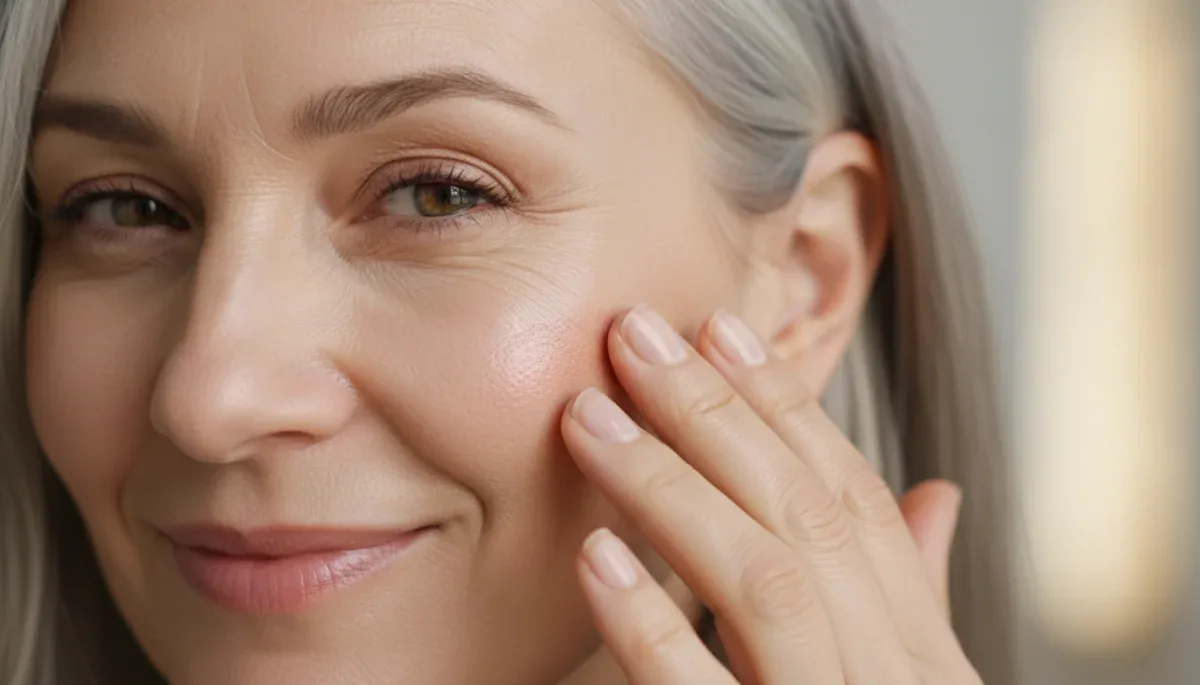
Cream blush offers undeniable aesthetic advantages for dry complexions, but it requires realistic expectations regarding wear time and handling. The primary benefit is its seamless finish. Because cream formulas share chemical affinity with the lipids found in moisturizers, sunscreens, and liquid foundations, they melt into the face without creating a discernible edge. You can blend cream blush with clean fingers, a dense synthetic buffing brush, or a damp sponge, resulting in a flushed appearance that looks like natural blood flow beneath clear tissue rather than makeup sitting on skin.
Another major benefit is versatility in finish options. Cream blushes range from sheer, dewy balms that leave a glossy sheen to satin-finish cream-to-powder formulas that dry down to touchable softness without dehydration. For mature wearers who experience facial volume loss, the glossy highlight naturally produced by hydrating creams visually lifts the zygomatic arch without the need for additional glitter or pearlescent highlighters, which often accentuate enlarged pores.
The disadvantage of cream blush is durability. Emollients do not evaporate; they remain mobile on the skin surface throughout the day. If you live in a humid climate, touch your face frequently, wear glasses that rest against your cheeks, or wear woven face coverings, cream blushes can slip, fade, or transfer easily. By mid-afternoon, a sheer cream blush can completely disappear unless anchored with a delicate touch of translucent setting powder or a fine-mist setting spray.
Additionally, cream products have a shorter shelf life than dry compacts. The moisture and vegetable oil contents make them more susceptible to bacterial contamination and rancidity over time. Most manufacturers place the period-after-opening symbol between six and twelve months for cream cosmetics, meaning you cannot leave them forgotten in a drawer for years without risking changes in odor, texture, and performance.
When powder blush still works on mature complexions
Despite the natural compatibility between cream formulas and dry skin, powder blush is not completely off-limits for mature faces. In fact, there are distinct circumstances where a carefully formulated powder blush performs better than a liquid or cream counterpart. The most common scenario involves combination-mature skin, where the T-zone and central cheeks retain active sebaceous glands while the outer perimeter of the face remains dry.
Powder blush provides exceptional stability and precision. If you struggle with makeup breaking down around your nose, or if your cream blush consistently migrates into your under-eye concealer, an ultra-finely milled powder offers immovable, uniform color that remains vibrant throughout an eight-hour workday. Powders also permit precise gradient placement, enabling you to build color intensity slowly without disrupting the base coverage underneath.
If you choose to wear powder blush on mature or dehydrated skin, formula selection is critical. Traditional pressed powders relied heavily on talc and chalky binding agents, which cast a dull, matrix-like shadow across fine lines. Modern baked powders and micronized mineral pigments behave entirely differently. Baked powders start as liquid pigments baked on terracotta tiles, resulting in an exceptionally silky, featherweight powder that glides over skin texture with minimal drag.
Selecting a mature-friendly powder formula
- Look for micronized textures: Ultra-fine milling prevents large pigment clumps from wedging into pores and creases.
- Choose satin or low-sheen finishes: Avoid heavy frosty shimmers, which refract light unevenly and highlight uneven dermal topology.
- Seek out treated pigments: Powders coated with amino acids, lauroyl lysine, or dimethicone adhere comfortably without absorbing baseline skin moisture.
- Avoid pure matte formulas: Flat matte powders produce an opaque, dry mask effect that exaggerates mature skin dullness.
When shopping, examine whether the powder feels dry and scratchy or velvety and buttery when rubbed between your index finger and thumb. If a powder leaves a dry white residue on your fingertips, it will likely behave poorly on dry cheeks.
Application techniques that prevent settling into lines
Correct application determines whether your chosen blush formula flatters or ages your complexion. The common historical advice of smiling broadly and placing blush directly onto the plumpest part of the cheek apples often works against mature complexions. When you relax your facial muscles after smiling, those high apples drop downward, dragging the color into nasolabial folds and lower cheek hollows, which visually pulls the entire face down.
Instead, apply your blush while maintaining a neutral, relaxed facial expression. Position the color slightly higher along the upper cheekbone, starting roughly underneath the outer pupil of your eye and sweeping backward toward the hairline and upper ear. This placement establishes a subtle optical lift, focusing attention upward away from jawline laxity and midface volume loss.
For cream blush, warm the formula against the back of your clean hand before touching it to your face. This melts the solid waxes and ensures an even distribution across your chosen applicator. Tap the product onto the cheekbone using gentle patting motions rather than wiping back and forth. Rubbing back and forth dislodges underlying foundation and creates friction that flakes delicate, dry skin cells. The warmth of your fingertips or a lightly moistened synthetic sponge presses the pigment into the skin, securing it in place.
If you choose powder blush, tool selection is paramount. Ditch small, stiff, densely packed brushes, which deposit concentrated pigment in hard circles that are difficult to blend on dehydrated skin. Instead, select a medium-sized, fluffy brush with tapered, ultra-soft synthetic bristles. Lightly dip the tips of the bristles into the pan, tap the handle against your wrist to shake loose excess powder particles, and float the brush across the cheek using soft, circular gliding motions. By barely skimming the skin surface, you deposit color evenly without disrupting your base layer or lodging dry powder inside fine lines.
Key ingredients to look for on product labels
Reading the ingredient panel allows you to predict how a blush will wear long before purchasing it. For dry and mature skin, specific compounds can actively nourish the skin barrier while delivering rich color payoff, whereas other ingredients can exacerbate dehydration and highlight cellular flaking.
Beneficial ingredients in cream formulations include plant-derived squalane, which matches the natural squalene found in human sebum, ensuring immediate absorption without greasy residue. Hyaluronic acid and sodium hyaluronate draw ambient moisture into the outer epidermis, plumping superficial dehydration lines. Jojoba oil, meadowfoam seed oil, and caprylic triglycerides provide lasting softness that shields dry cheeks from dry heated indoor air and windy climates. Vitamin E acts as an antioxidant that protects the product from oxidation while supporting the skin's surface barrier.
Conversely, certain ingredients warrant caution. Products containing high concentrations of denatured alcohol or isopropyl alcohol evaporate quickly to create a fast-drying feel, but they strip away necessary natural surface lipids in the process. Excessive talc in dry powders can sap hydration from parched skin. If you opt for powder blush, check whether talc is replaced with or softened by synthetic fluorphlogopite, sericite mica, or spherical silica, which create slip and blur skin imperfections without absorbing significant moisture.
Ingredients comparison for aging skin
- Emollients to welcome: Squalane, jojoba seed oil, caprylic/capric triglyceride, shea butter, and ceramide blends.
- Hydrators to look for: Glycerin, sodium hyaluronate, and polyglutamic acid.
- Texturizers that blur: Spherical silica, dimethicone crosspolymers, and boron nitride.
- Components to limit: Denatured alcohol, heavy drying clays like kaolin, and high-glitter synthetic flakes.
Being aware of these formulations ensures you invest your beauty budget in products that support skin vitality rather than fighting your skin's natural physiological state.
How skin prep alters your blush results
No blush formula can look smooth over an unprepared, flaky canvas. How you prep your skin before applying makeup heavily influences whether cream or powder blush looks smooth or clumpy. If dry, dead corneocytes remain glued to the skin surface, creams will catch unevenly and powders will create raised, visible scales.
Begin your morning routine with gentle hydration. Avoid harsh physical scrubs, which cause microscopic tears and inflammation in thinning mature skin. Instead, incorporate gentle chemical exfoliants like lactic acid or polyhydroxy acids once or twice a week at night to encourage normal skin cell shedding without irritation. In the morning, wash with a non-foaming, hydrating cream cleanser that leaves natural oils intact.
Apply a water-binding serum containing glycerin or hyaluronic acid directly to damp skin, followed by a rich, lipid-replenishing moisturizer. Allow your skincare regimen at least five full minutes to settle and absorb into the skin before applying any color cosmetics. If you apply blush immediately onto wet, unabsorbed moisturizer, cream pigments can slip and powder pigments will form gummy, uneven patches that refuse to blend.
When layering foundation beneath your blush, match formulas logically. The classic cosmetic rule holds true: pair creams with creams, and powders with powders. If you wear a dewy liquid foundation, tap your cream blush directly over it before applying any setting powder. If you prefer to set your entire face with loose powder, opt for a modern baked powder blush instead of layering a wet cream over a dry, powdered surface, which can cause pilling and patchy lift-off.
At a glance
| Factor | What to know |
|---|---|
| Finish and texture | Cream creates a dewy, skin-like glow; powder gives a controlled satin or matte finish. |
| Interaction with lines | Cream flexes over fine lines; traditional powder can settle into dry crevices. |
| Longevity and wear | Powder lasts significantly longer on the skin; cream requires occasional reapplication. |
| Application method | Cream blends seamlessly with warm fingertips; powder requires a soft, fluffy brush. |
Frequently asked questions
Can I layer cream and powder blush together?
Yes, layering both creates exceptional longevity on dry skin. Apply your cream blush first as an emollient, pigmented base. Then, lightly sweep a sheer layer of matching satin powder blush or translucent powder directly on top to lock the pigment in place without creating a dry texture.
Does cream blush cause acne on mature skin?
Cream blush rarely causes breakouts if formulated with non-comedogenic oils and cleaned off thoroughly every evening. If you are prone to clogged pores, select formulas containing lightweight squalane or synthetic esters rather than heavy coconut oil or cocoa butter bases, and wash your makeup sponges weekly.
Will powder blush accentuate enlarged pores on my cheeks?
Powder blush can accentuate pores if it contains high-shimmer pearl or heavy talc. To avoid this, choose a finely milled, baked satin powder or an ultra-sheer matte formula, and apply it with a light touch using a clean, fluffy cosmetic brush.
Can I apply cream blush directly over set powder foundation?
Applying cream blush over powder usually results in patchy clumping and product lifting. If you wear powder foundation, stick to a finely milled powder blush, or apply a cream blush underneath your sheer mineral powder foundation so the color softly glows through.
The bottom line
Cream blush is the superior choice for dry and mature skin because its emollient formulation hydrates, moves naturally with facial expressions, and imparts a youthful, light-reflecting glow without settling into creases. If you require long-lasting wear or manage an oilier T-zone, a finely milled baked satin powder blush remains a viable alternative when applied with a gentle hand. Before purchasing any new blush, check the ingredient list to ensure it is free from drying denatured alcohols and heavy talc that compromise surface hydration.
Written by
Maria Teixeira
Maria Teixeira writes about clothes, makeup and benefits for bestinyour.com. Each article explains how things work, compares published details such as prices, policies and program rules, and points readers to the official source before they decide.