
Decoding Clothing Labels: A Practical Guide to Understanding Fabric Blends and Their Performance in 2026
Advertisements
Ever look at a tiny tag on your new favorite shirt and feel like you need a translator? Mastering decoding clothing labels is no longer just about avoiding laundry disasters—it’s your secret weapon for building a durable, high-performance wardrobe.
As textile technology evolves, garment tags carry vital secrets about breathability, stretch, and fabric lifespan. Understanding this hidden language transforms those cryptic symbols and fiber percentages into clear, actionable quality signals.
This guide cuts through the synthetic jargon to give you total control over your style investments. Get ready to shop smarter, wash wiser, and make every piece in your closet last longer.
Advertisements
The Evolution of Clothing Labels and Their Importance
Clothing labels have transformed from simple size indicators to crucial information hubs, reflecting advancements in textile technology and consumer demand for transparency. In 2026, these small tags offer a wealth of data essential for garment care and performance understanding.
Understanding the details on these labels empowers consumers to make informed purchasing decisions, moving beyond aesthetics to consider durability, comfort, and environmental impact. This shift supports a more conscious approach to fashion and personal wardrobe management.
The regulatory landscape for labeling is also evolving, with new standards emerging to address sustainability and ethical production. Staying current with these changes is part of mastering the clothing labels guide for modern consumers.
Advertisements
Understanding Fiber Content and Blends
Fiber content is the foundation of a garment’s performance and feel, dictating everything from breathability to wrinkle resistance. Labels typically list fibers by percentage, providing a clear picture of the material composition.
Blends, combining two or more fiber types, are engineered to harness the best qualities of each component. For example, cotton-polyester blends offer the comfort of cotton with the durability and wrinkle resistance of polyester, a common feature in many everyday garments.
- Natural Fibers: Cotton, wool, silk, linen provide breathability and comfort.
- Synthetic Fibers: Polyester, nylon, spandex offer durability, stretch, and moisture-wicking.
- Semi-Synthetic Fibers: Rayon, Tencel, Modal blend natural origins with engineered performance.

Decoding Performance Characteristics
Beyond basic fiber content, modern labels often hint at specific performance features that enhance wearability. These characteristics are increasingly important for activewear and specialized clothing.
Moisture-wicking, quick-drying, and anti-odor properties are examples of performance attributes derived from specific fiber choices or fabric treatments. Recognizing these helps consumers select garments suitable for their lifestyle and activities.
The synergy between fiber type and fabric construction directly influences how a garment will perform under various conditions. A good clothing labels guide helps identify these crucial distinctions.
Navigating Care Symbols and Longevity
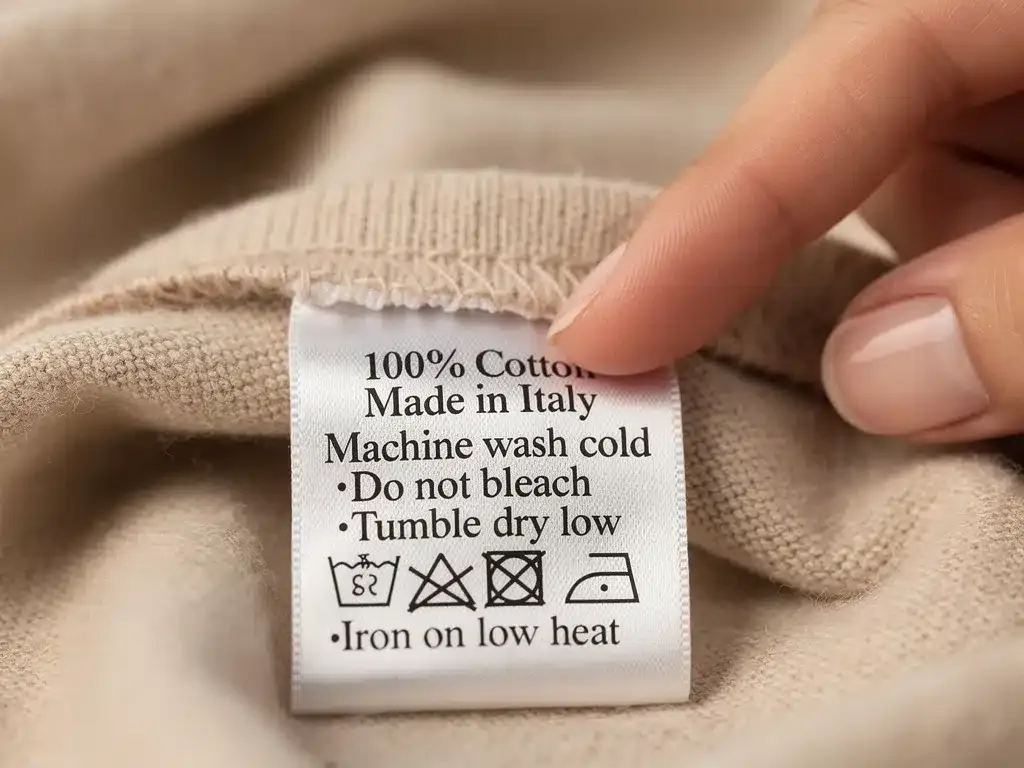
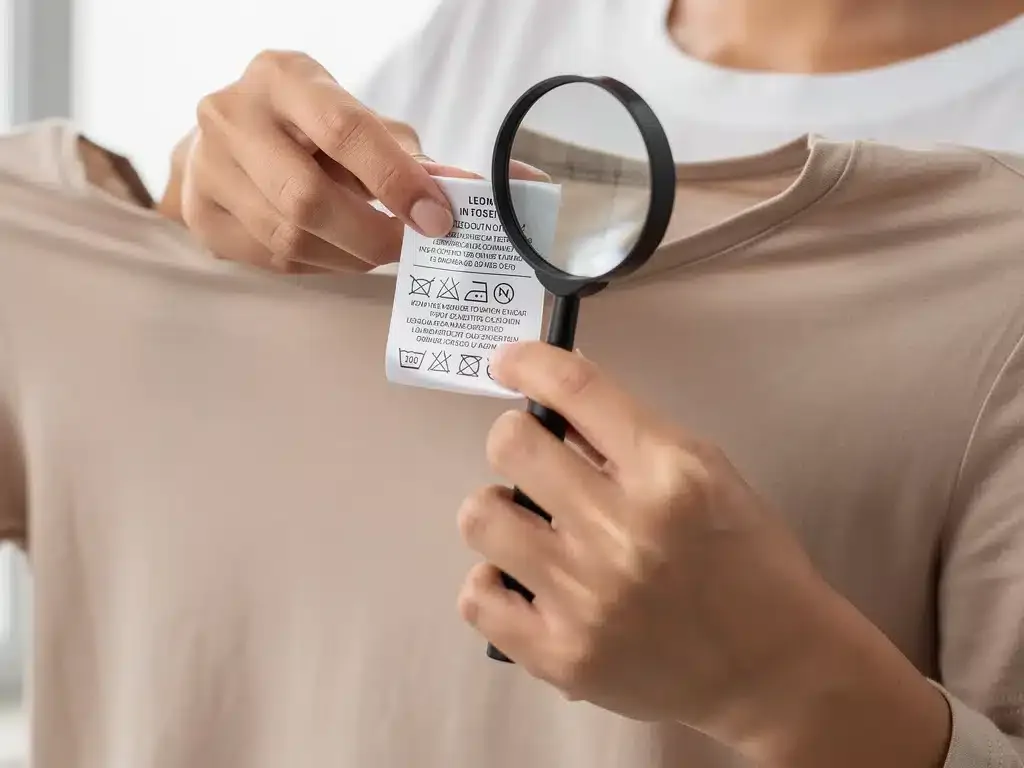
Care symbols are an international language designed to guide consumers in maintaining their garments, preventing damage, and extending their lifespan. Ignoring these symbols can lead to premature wear and tear.
The standardized pictograms cover washing, bleaching, drying, ironing, and professional cleaning instructions. Each symbol provides specific guidance, ensuring optimal care for different fabric types and constructions.
Mastering these symbols is a cornerstone of responsible garment ownership, contributing significantly to a more sustainable wardrobe. It minimizes waste and preserves the quality of clothing over time.
Washing Instructions: Water Temperature and Cycles
Understanding washing symbols is paramount, as incorrect water temperature or cycle settings can severely damage fabrics. Labels specify whether to wash hot, warm, cold, or hand wash.
Different fabrics react differently to agitation and heat; delicate items require gentle cycles, while sturdy materials can withstand more vigorous washing. Always consult the label to avoid shrinkage, stretching, or color fading.
- Machine Wash: Indicated by a tub symbol, often with temperature dots or numbers.
- Hand Wash: Represented by a hand in a tub, requiring gentle handling.
- Do Not Wash: A crossed-out tub symbol, suggesting professional cleaning or spot treatment.
Drying Methods: From Tumble to Air Dry
Drying instructions are equally critical, as excessive heat or improper methods can cause irreversible damage, such as shrinkage or fiber degradation. Labels will specify tumble drying settings or air-drying preferences.
Tumble drying symbols include squares with circles, indicating heat levels (dots) and cycle types. Air drying, often represented by a line or square, is gentler and more energy-efficient for many garments.
Choosing the correct drying method preserves fabric integrity and prevents common issues like pilling or loss of shape. This is an essential aspect of any comprehensive clothing labels guide.
Sustainable Practices and Label Transparency in 2026
The fashion industry is increasingly under scrutiny for its environmental impact, leading to a greater emphasis on sustainable practices and transparency on clothing labels. Consumers in 2026 are more aware and demand more.
Labels now often include information about recycled content, organic materials, and ethical certifications. These details help consumers align their purchases with their values, supporting brands committed to sustainability.
This growing trend towards transparency means consumers can make more informed decisions not just about product performance, but also about the ecological and social footprint of their clothing.
Ethical Sourcing and Certifications
Ethical sourcing details on labels provide insight into the supply chain, indicating fair labor practices and responsible manufacturing. Certifications from organizations like Fair Trade or GOTS (Global Organic Textile Standard) offer independent verification.
These certifications assure consumers that products meet specific social and environmental criteria, from raw material cultivation to the final garment. They represent a commitment beyond basic regulatory compliance.
Supporting brands with robust ethical sourcing and certifications contributes to a more equitable and sustainable fashion industry. This is a key aspect of making sense of the evolving clothing labels guide.
Recycled and Organic Materials
The inclusion of recycled polyester, organic cotton, or other sustainable materials is a positive development often highlighted on labels. These choices reduce environmental impact and conserve resources.
Recycled materials repurpose existing waste, diverting it from landfills, while organic materials minimize pesticide use and promote healthier ecosystems. Look for specific percentages to understand the true impact.
Consumers actively seeking these materials drive demand for more sustainable production methods, encouraging broader industry adoption. This reflects a growing consciousness detailed within any effective clothing labels guide.
Specialized Fabrics and Their Unique Needs
Beyond common blends, the textile market offers a growing array of specialized fabrics designed for specific purposes, from high-performance athletic wear to innovative smart textiles. Each has unique care requirements.
Understanding these specialized fabrics, such as waterproof-breathable membranes or temperature-regulating materials, is essential for maintaining their intended functionality. Improper care can compromise their advanced properties.
Labels for these garments often feature more intricate symbols or additional instructions, requiring careful attention from the consumer. This ensures the longevity and effectiveness of these advanced textiles.
Performance Fabrics: Activewear and Outerwear
Activewear and outerwear often incorporate advanced synthetic blends designed for moisture management, insulation, or weather protection. These fabrics frequently require specific washing and drying techniques to preserve their integrity.
For instance, waterproof jackets may need special detergents to avoid clogging membranes, and excessive heat can damage technical coatings. Always refer to the label to ensure optimal performance and durability.
- Moisture-Wicking: Often polyester or nylon blends, requiring cool washes.
- Waterproof/Breathable: May need gentle cycles and specific re-proofing treatments.
- Insulated: Down or synthetic fills, often requiring delicate cycles and low-heat drying.
Delicate and Luxury Fabrics
Luxury fabrics like silk, cashmere, and fine wools demand delicate care to maintain their texture, drape, and luster. These materials are susceptible to harsh chemicals, high temperatures, and aggressive agitation.
Labels for these items frequently recommend hand washing, dry cleaning, or very gentle machine cycles with specialized detergents. Adhering to these instructions prevents shrinkage, pilling, or fiber damage.
Proper care of delicate garments extends their life and preserves their value. This is a critical section of any comprehensive clothing labels guide for high-end items.
The Impact of Digital Labels and QR Codes
The future of clothing labels is increasingly digital, with QR codes and NFC tags beginning to supplement or even replace traditional sewn-in labels. This innovation offers expanded information and interactive experiences.
By scanning a QR code, consumers can access detailed product information, including extended care guides, material origins, sustainability reports, and even styling tips. This moves beyond the physical space constraints of a traditional label.
This digital evolution enhances transparency and consumer engagement, providing a richer understanding of a garment’s lifecycle and impact. It represents a significant advancement in the clothing labels guide of the future.
Enhanced Consumer Information
Digital labels allow brands to provide a wealth of information that simply cannot fit on a small fabric tag. This includes detailed explanations of fabric technologies, ethical certifications, and environmental impact assessments.
Consumers can delve deeper into a product’s story, understanding the journey from raw material to finished garment. This level of detail builds trust and informs more conscientious purchasing decisions.
The ability to update this information dynamically means that labels can stay current with evolving standards and product developments. This makes the clothing labels guide more dynamic and informative.
Interactive Experiences and Authenticity
Beyond information, digital labels can offer interactive experiences, such as virtual try-ons, styling suggestions, or direct links to customer service. They can also serve as tools for authenticity verification.
For luxury brands, NFC tags can combat counterfeiting by providing a secure digital fingerprint for each garment. This reassures consumers about the authenticity and value of their purchases.
The integration of technology into clothing labels is set to redefine how consumers interact with their garments and the brands behind them, shaping the future of the clothing labels guide.
Practical Tips for Applying Your Label Knowledge
Armed with a deeper understanding of clothing labels, consumers can now apply this knowledge to make more strategic wardrobe decisions. This translates into better care, longer-lasting garments, and more sustainable choices.
Before purchasing, always check the label for fiber content, care instructions, and any sustainability certifications. This quick check can save time, money, and frustration in the long run.
Organize your laundry based on care instructions, not just color, to prevent damage and ensure optimal cleaning. This simple habit significantly extends the life of your clothing.
Making Informed Purchases
When shopping, consider the intended use of the garment and match it with the performance characteristics listed on the label. For example, choose moisture-wicking fabrics for active wear and breathable natural fibers for everyday comfort.
Evaluate fabric blends for durability and ease of care. A cotton-spandex blend offers comfort with stretch, while a wool-nylon blend provides warmth with added resilience, as detailed in any good clothing labels guide.
Prioritize garments with clear and comprehensive labels, especially those that include sustainability information. This supports transparency and responsible consumption.
Extending Garment Lifespan
Following care instructions meticulously is the most effective way to extend the life of your clothing. Incorrect washing, drying, or ironing can drastically reduce a garment’s wearability.
Invest in appropriate laundry products, such as gentle detergents for delicates or specialized cleaners for technical fabrics. These small investments protect your garments and maintain their performance.
Regular maintenance, like promptly addressing stains or making minor repairs, also contributes to longevity. Your knowledge from this clothing labels guide directly impacts these practices.
| Key Aspect | Brief Description |
|---|---|
| Fiber Content | Identifies materials (e.g., cotton, polyester) and blends for performance. |
| Care Symbols | Standardized icons for washing, drying, ironing, and professional care. |
| Performance Features | Highlights attributes like moisture-wicking, stretch, or weather resistance. |
| Sustainability Info | Details on organic, recycled materials, and ethical certifications. |
Frequently Asked Questions About Clothing Labels
Why is understanding clothing labels important for consumers in 2026?
Understanding clothing labels is crucial for making informed decisions about garment care, performance, and sustainability. It helps consumers prolong the life of their clothes, choose items suitable for their needs, and support ethical production practices. This knowledge empowers smarter purchases.
How do fabric blends affect garment performance?
Fabric blends combine different fibers to achieve specific performance characteristics. For example, a cotton-polyester blend offers comfort and breathability from cotton, combined with the durability and wrinkle resistance of polyester. Each blend is engineered for a particular balance of qualities.
What do the care symbols on clothing labels mean?
Care symbols are standardized pictograms that provide instructions for washing, bleaching, drying, ironing, and professional cleaning. They guide consumers on the best practices to maintain a garment’s quality and prevent damage, ensuring longevity and optimal appearance.
Are digital clothing labels becoming more common, and what do they offer?
Yes, digital labels via QR codes or NFC tags are gaining traction. They offer expanded information beyond traditional tags, including detailed product stories, sustainability reports, and authenticity verification. This enhances transparency and consumer engagement with the brand and product.
How can I use a clothing labels guide to make more sustainable fashion choices?
By using a clothing labels guide, you can identify garments made from organic, recycled, or ethically sourced materials. Understanding care instructions also helps extend clothing lifespan, reducing waste. This knowledge supports conscious consumption and a more sustainable wardrobe, aligning with personal values.
What this means
The increasing complexity and transparency of clothing labels reflect a significant shift in consumer awareness and industry practices. This clothing labels guide provides the tools to navigate these changes effectively.
As 2026 progresses, staying informed about fabric blends, care instructions, and sustainable attributes will be paramount for both personal wardrobe management and contributing to a more responsible fashion ecosystem.
Future developments, particularly in digital labeling, promise even greater access to information, further empowering consumers to make choices that align with their values and lifestyle.
Written by
Rita Luiza
Rita Luiza writes about clothes, makeup and perfumes for bestinyour.com. Each article explains how things work, compares published details such as prices, policies and program rules, and points readers to the official source before they decide.