
Advertisements
If you are a fragrance lover, your vanity is about to face a major shift under the new US Fragrance Regulations taking effect this year. The ways your favorite scents are crafted, bottled, and sold are undergoing a massive legal makeover that changes the game for every bottle you buy.
These upcoming American cosmetic policies are a direct response to a growing demand for ingredient transparency and modern safety standards. What used to be protected as top-secret “trade secrets” on the back of the box is now being pulled into the spotlight by federal oversight.
For perfume enthusiasts, decoding these new FDA mandates is essential to navigating future product choices and finding clean formulations. Staying ahead of these industry updates ensures your signature scent aligns perfectly with the latest safety benchmarks without losing its magic.
Advertisements
Understanding the Impending US Fragrance Regulations 2026
The year 2026 marks a pivotal moment for the fragrance industry, as new regulations from federal agencies are expected to come into full effect.
These mandates are designed to enhance consumer protection by addressing concerns over potential allergens, sensitizers, and other ingredients.
Advertisements
These regulations stem from a growing demand for greater transparency in cosmetic and personal care products, including fragrances. Consumers are increasingly seeking detailed information about what they apply to their skin, pushing legislators to act.
The core objective of these impending rules is to ensure that all fragrance products sold in the U.S. meet stringent safety standards, fostering a healthier and more informed marketplace for everyone involved in the perfume world.
The Driving Forces Behind Regulatory Changes
Several factors have converged to necessitate these significant updates to fragrance regulations. Consumer advocacy groups have played a crucial role in highlighting the need for clearer ingredient labeling and safer formulations.
Scientific research has also advanced, providing new insights into the potential effects of certain fragrance components on human health. This growing body of evidence informs the regulatory bodies, guiding their decisions on restricted or prohibited substances.
Furthermore, international standards and practices in the cosmetics industry often influence U.S. regulations, striving for harmonization and consistency across global markets. The push for US Fragrance Regulations 2026 is a multi-faceted response to these pressures.
- Increased consumer awareness regarding ingredients.
- New scientific findings on fragrance component safety.
- Harmonization with international cosmetic regulations.
Key Agencies Involved in Shaping New Rules
The primary federal agency overseeing these changes is the Food and Drug Administration (FDA), which regulates cosmetics and personal care products in the United States.
The FDA’s role involves setting standards, enforcing compliance, and providing guidance to manufacturers.
While the FDA leads, other bodies like the International Fragrance Association (IFRA) also play a significant role in establishing industry self-regulation and safety guidelines.
IFRA’s standards are often adopted by manufacturers globally, influencing the choices made even before official government mandates.
Understanding the interplay between these agencies is vital for both manufacturers and consumers to grasp the full scope of the US Fragrance Regulations 2026. Their combined efforts aim to create a safer and more transparent fragrance market.
Impact on Fragrance Formulations and Ingredients
The forthcoming US Fragrance Regulations 2026 will undoubtedly lead to significant shifts in how perfumes are formulated. Manufacturers will need to review and potentially reformulate existing products to comply with new restrictions on certain ingredients.
This could mean the removal or reduction of specific allergens and sensitizers that have been commonly used in fragrances for decades. The industry is already preparing for these adjustments, investing in research and development to find suitable alternatives.
Ultimately, these changes are intended to result in safer products for consumers, particularly those with sensitivities or allergies, ensuring that the pleasure of fragrance can be enjoyed by a wider audience without adverse reactions, directly addressing the core of US Fragrance Regulations 2026.
Restricted and Prohibited Substances
A central aspect of the new regulations concerns the identification and control of specific substances.
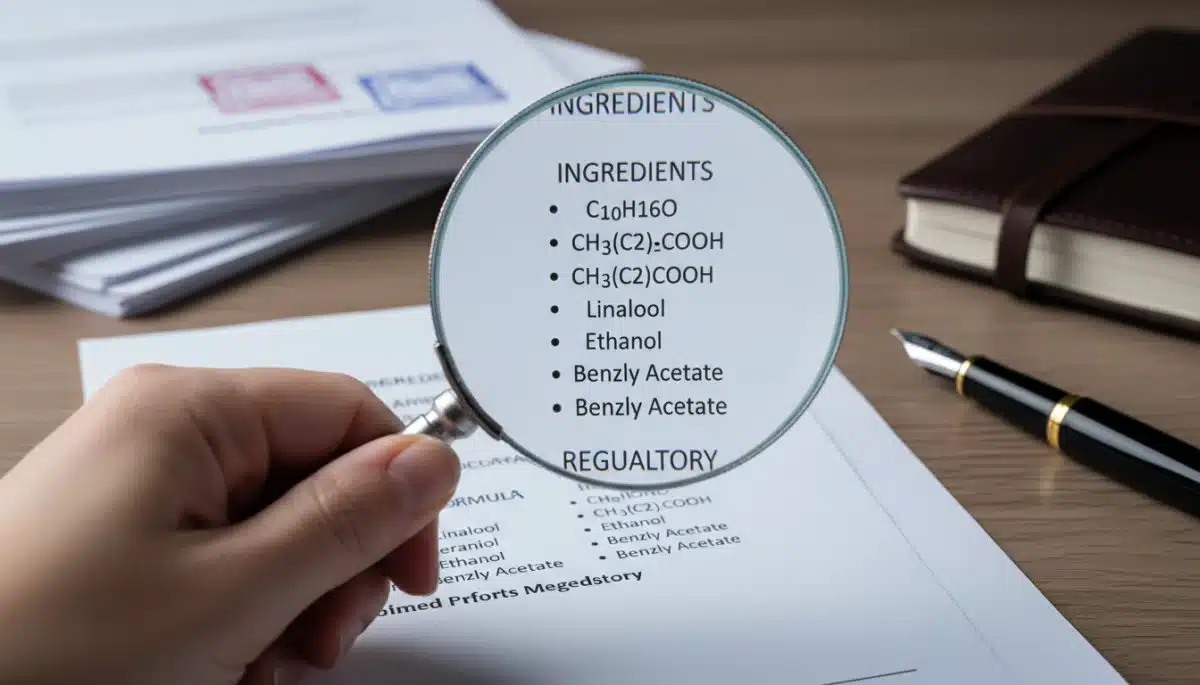
The FDA, informed by scientific data, will likely publish lists of ingredients that are either restricted in their concentration or entirely prohibited from use in fragrances.
These lists often include known allergens, substances with endocrine-disrupting properties, or ingredients linked to other health concerns. Manufacturers will need to meticulously review their ingredient portfolios against these updated guidelines.
The goal is to minimize consumer exposure to potentially harmful components while still allowing for a diverse and innovative fragrance market. This focus on restricted substances is a cornerstone of the US Fragrance Regulations 2026.
- Identification of common fragrance allergens.
- Restrictions on concentrations of certain chemicals.
- Outright prohibition of specific problematic substances.
The Rise of Alternative Ingredients and Natural Formulations
In response to tighter regulations, the fragrance industry is increasingly exploring alternative ingredients. This includes a greater emphasis on natural extracts and novel synthetic molecules that offer similar olfactory profiles without the regulatory concerns.
This shift could lead to a renaissance in fragrance development, pushing perfumers to innovate and create new scent experiences. Consumers might see a wider array of ‘clean’ or ‘natural’ label fragrances entering the market.
The embrace of these alternatives not only addresses regulatory compliance but also caters to a growing consumer demand for more sustainable and transparent products, aligning with the spirit of the US Fragrance Regulations 2026.
Enhanced Transparency and Labeling Requirements
One of the most significant changes under the US Fragrance Regulations 2026 will be the demand for enhanced transparency. Consumers can expect to see more detailed and comprehensive ingredient lists on fragrance packaging.
This move is aimed at empowering consumers to make more informed purchasing decisions, especially those with allergies or specific ingredient preferences. The days of generic ‘fragrance’ or ‘parfum’ listings are slowly coming to an end.
The new labeling requirements will likely mandate the disclosure of specific fragrance allergens, even if present in small quantities, providing unprecedented clarity. This is a direct response to consumer calls for greater honesty regarding product contents.
What Consumers Can Expect to See on Labels
Under the new regulations, fragrance labels will likely evolve from broad ingredient categories to specific chemical names for certain components. This level of detail will allow consumers to identify potential irritants or allergens more easily.
Expect to see clear declarations of ingredients identified as common allergens by regulatory bodies. This includes substances like Linalool, Limonene, Geraniol, and Citronellol, which are naturally occurring in many essential oils but can cause sensitivities.
This increased granularity in labeling is a major win for consumer rights and health, giving individuals the power to select products that best suit their needs and avoid known triggers. The US Fragrance Regulations 2026 prioritize this clarity.
The Role of Digital Disclosure
Beyond physical product labels, the US Fragrance Regulations 2026 may also encourage or mandate digital disclosure of fragrance ingredients.
This could involve QR codes on packaging linking to comprehensive online databases or detailed information on manufacturer websites.
Digital platforms offer the advantage of providing extensive information without cluttering physical labels. This allows for a deeper dive into ingredient origins, safety data, and environmental impact for those who seek it.
This dual approach of physical and digital transparency ensures that information is accessible to all consumers, regardless of their preferred method of access.
Digital disclosure represents a modern solution to complex labeling challenges, supporting the goals of US Fragrance Regulations 2026.
Challenges and Opportunities for Manufacturers
The implementation of the US Fragrance Regulations 2026 presents both substantial challenges and exciting opportunities for fragrance manufacturers. Companies will need to invest in extensive reformulation, testing, and labeling updates to ensure compliance.
This process requires significant resources, including R&D, supply chain adjustments, and marketing strategy revisions. Smaller brands, in particular, may face hurdles in adapting to the new regulatory landscape.
However, these challenges also open doors for innovation and market differentiation. Brands that proactively embrace transparency and safety can build greater consumer trust and carve out a competitive edge in the evolving market.
Navigating Supply Chain Adjustments
A critical aspect for manufacturers will be the adjustment of their supply chains. Many fragrance components are sourced globally, and ensuring that all suppliers meet the new U.S. standards will require rigorous auditing and collaboration.
Companies may need to establish new partnerships with ingredient suppliers that specialize in compliant or alternative raw materials. This shift could also impact ingredient availability and pricing, which will be factored into product costs.
The complexity of global sourcing means that manufacturers must begin planning these adjustments well in advance of the 2026 deadline to avoid disruptions. Effective supply chain management is key to navigating the US Fragrance Regulations 2026 successfully.
Innovation in Fragrance Development
The regulatory push for safer ingredients and greater transparency can stimulate significant innovation within the fragrance industry. Perfumers and chemists are being challenged to create new, compliant aromatic compounds and blends.
This could lead to the development of novel scent molecules that offer unique olfactory profiles while adhering to strict safety guidelines. The focus on sustainability and natural sourcing may also drive innovation in extraction methods and ingredient synthesis.
Ultimately, these regulations could foster a more dynamic and creative industry, resulting in a broader and more diverse range of perfumes for consumers to explore. The US Fragrance Regulations 2026 are a catalyst for this evolution.
What Perfume Enthusiasts Need to Know for 2026 Product Choices
For perfume enthusiasts, the arrival of the US Fragrance Regulations 2026 means a new era of informed choice and potentially different product offerings. Being aware of these changes will allow for more conscious and satisfying selections.
It’s important to start familiarizing yourself with ingredient lists and understanding what certain terms mean. This proactive approach will empower you to navigate the updated market with confidence and discernment.
While some beloved fragrances might undergo reformulation, the overall outcome is a safer and more transparent industry. Embracing these changes means adapting your shopping habits and staying curious about new developments in the perfume world.
Identifying Compliant and Reformed Products
As 2026 approaches, consumers should pay close attention to product labeling and brand communications. Manufacturers will likely highlight their compliance with new regulations, potentially using specific seals or statements on packaging.
Look for updated ingredient lists that provide more detail than before, particularly for known allergens. Brands that are transparent about their reformulations will be a good indicator of compliance with the new US Fragrance Regulations 2026.
It’s also advisable to research brands and their commitment to ingredient safety and transparency. Many companies are already publishing detailed information on their websites regarding their compliance efforts and product changes.
The Future of Your Favorite Scents
One common concern among perfume enthusiasts is the fate of their signature fragrances. While some beloved scents may require reformulation, many brands are working diligently to maintain the integrity of their original creations using compliant alternatives.
It’s possible that subtle differences might be detectable in reformed versions, but often these changes are minimal and designed to preserve the original character. The aim is to ensure continuity while adhering to the US Fragrance Regulations 2026.
Stay informed through official brand channels and fragrance communities, where discussions about reformulations and new releases are common.
This will help you anticipate any changes to your favorite perfumes and discover new ones that align with your preferences and the new regulatory landscape.
Consumer Advocacy and Informed Decisions
The upcoming US Fragrance Regulations 2026 underscore the power of consumer advocacy in shaping industry standards. Your voice, through feedback and purchasing choices, continues to influence the direction of the fragrance market.
By staying informed and prioritizing transparency and safety, you contribute to a marketplace that is more responsive to consumer needs. This collective action ensures that the fragrance industry evolves responsibly and sustainably.
Making informed decisions about your perfume purchases is not just about personal preference; it’s also about supporting brands that align with your values and contribute to a healthier environment for all. This is the essence of navigating the US Fragrance Regulations 2026.
How to Stay Informed About Regulatory Updates
To keep abreast of the latest developments regarding the US Fragrance Regulations 2026, there are several reliable sources available. Regularly checking the FDA’s official website for cosmetic regulations is a primary method.
Industry associations, such as IFRA and the Personal Care Products Council, also provide valuable insights and updates on regulatory changes. Subscribing to their newsletters or following their publications can keep you informed.
Additionally, reputable fragrance blogs, journalistic outlets specializing in consumer goods, and scientific journals often cover these topics in detail. A multi-faceted approach to information gathering ensures a comprehensive understanding.
- Monitor FDA official announcements and guidelines.
- Follow industry associations like IFRA for updates.
- Read specialized fragrance news and consumer advocacy reports.
Empowering Your Fragrance Choices
With enhanced transparency and clearer labeling, consumers will have unprecedented power to make choices that align with their health and ethical considerations. This means consciously selecting products that meet new safety benchmarks.
Understanding the impact of the US Fragrance Regulations 2026 allows you to seek out brands that exemplify commitment to consumer well-being and environmental responsibility. Your purchasing power becomes a vote for a better industry.
Ultimately, these regulations are designed to foster a more trustworthy and enjoyable fragrance experience for everyone. By embracing the knowledge, you empower yourself to make the best choices for your personal collection and well-being.
| Key Point | Brief Description |
|---|---|
| Regulatory Deadline | New US fragrance regulations take full effect in 2026. |
| Ingredient Restrictions | Certain allergens and sensitizers will be restricted or prohibited. |
| Enhanced Labeling | Greater transparency required for ingredient disclosure on packaging. |
| Consumer Impact | More informed and safer product choices for perfume enthusiasts. |
Frequently Asked Questions About US Fragrance Regulations 2026
The US Fragrance Regulations 2026 refer to a set of new rules and guidelines from federal bodies, primarily the FDA, aimed at enhancing the safety and transparency of fragrance products. These regulations will mandate stricter ingredient restrictions and more detailed labeling requirements for all perfumes sold in the United States.
These regulations are driven by increased consumer demand for transparency, new scientific research on ingredient safety, and a desire to align with international cosmetic standards. The goal is to protect consumers from potential allergens and sensitizers, ensuring safer product choices in the market.
Some of your favorite perfumes may undergo reformulation to comply with new ingredient restrictions. While manufacturers strive to maintain original scent profiles, slight changes might occur. Enhanced labeling will help you identify compliant products and understand any ingredient adjustments.
After 2026, you should expect to see more detailed ingredient lists, potentially disclosing specific fragrance allergens by their chemical names. Some brands might also use digital disclosures (e.g., QR codes) for comprehensive information, helping you make more informed choices.
To stay updated, regularly check official sources like the FDA’s website, industry association publications (e.g., IFRA), and reputable fragrance news outlets. Many brands will also communicate their compliance efforts directly through their websites and product information.
Looking Ahead: The Evolving Fragrance Landscape
The implementation of the US Fragrance Regulations 2026 marks a significant step forward for consumer safety and transparency in the perfume industry.
This shift is not merely a compliance exercise but a catalyst for innovation and a deeper connection between brands and their customers.
As these regulations take full effect, the market will undoubtedly see new product developments and a heightened focus on ingredient integrity.
Consumers, armed with more information, will play a crucial role in shaping the industry’s future through their purchasing decisions, fostering a more responsible and health-conscious fragrance environment.
