
Tencel vs modal fabrics for breathability and drape
Advertisements
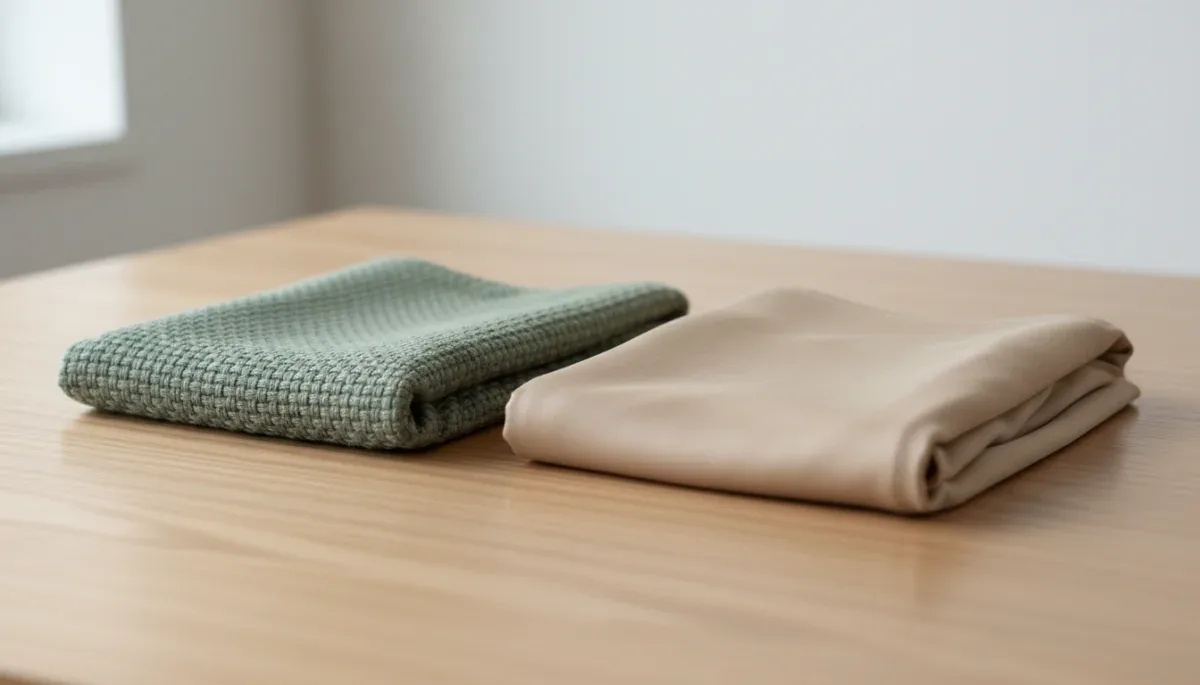
Tencel provides higher moisture absorption, exceptional wet strength, and a crisp yet fluid drape for everyday wear, whereas modal offers an ultra-soft, supple hand feel that clings gently to the body. Both materials belong to the regenerated cellulose family, meaning manufacturers break down plant wood pulp through chemical solutions before extruding it into fine, wearable filaments.
This side-by-side comparison helps shoppers select the right fabric for daily shirts, underwear, dresses, and active layers, though both materials require attentive cold-water laundering to keep their smooth surface textures from fraying over seasons of regular wear. Knowing how each textile behaves when exposed to heat, friction, and moisture makes building an enduring, comfortable wardrobe straightforward.
How wood pulp becomes modal and Tencel
Every regenerated cellulose fabric begins in a forest. Traditional viscose rayon was developed in the late nineteenth century as a less expensive alternative to genuine silk, using harsh chemical baths to convert wood chips into soluble cellulose pulp. While conventional viscose established the market for soft, drapeable plant-based synthetics, its wet fiber strength remained notably poor, leading to garments that easily distorted, tore, or shrank when soaked in standard wash cycles.
Advertisements
Modal emerged as a specialized modification of traditional viscose during the nineteen-fifties, specifically engineered to deliver higher wet modulus, which refers to a fiber's resistance to stretching and deformation when submerged in water. Austrian fiber manufacturer Lenzing AG refined this production process on an industrial scale by harvesting sustainably managed beechwood trees. The wood undergoes an adapted chemical spinning method using sodium hydroxide and carbon disulfide, resulting in a filament that feels silkier and holds its shape significantly better through machine washing than basic rayon.
Tencel represents a further technological leap in cellulosic textiles. While Tencel serves as a registered brand name owned by Lenzing AG, the underlying generic fiber classification is lyocell. Lyocell manufacturing uses wood pulp taken primarily from eucalyptus trees, dissolved through a direct solvent process relying on N-methylmorpholine N-oxide, commonly abbreviated as NMMO. Unlike the traditional chemical bath used for modal, this solvent spinning process operates in a closed loop, capturing and recycling more than ninety-nine percent of the processing chemicals and water within the production facility.
Understanding these origins clarifies why both textiles feel noticeably cooler and silkier than raw cotton, while remaining distinct from purely synthetic, petroleum-derived fibers like polyester or nylon. Because their core raw material is plant cellulose, both fabrics share natural hydrophilic tendencies that attract and release water vapor effortlessly throughout daily movement.
Advertisements
Breathability and moisture management in daily use
Breathability in apparel depends on two separate physical dynamics: how readily air passes through the woven or knit yarn gaps, and how quickly the individual fibers pull sweat vapor away from your skin. In warm, humid environments, Tencel lyocell generally outperforms modal in total moisture control due to its uniform, sub-microscopic nanofibril structure. These tiny channels within each lyocell strand pull liquid moisture into the fiber interior almost instantaneously, preventing sweat from resting on the skin surface where odor-causing bacteria multiply.
Modal possesses high absorbency as well, taking in roughly fifty percent more water by weight than standard cotton fibers. However, modal releases that retained moisture back into the ambient air at a slower pace than lyocell. If you wear a fitted modal t-shirt during a fast walk on a hot afternoon, the fabric absorbs sweat immediately, but the garment may feel damp against your skin until you rest in a well-ventilated or air-conditioned room. Tencel maintains a drier surface feel during light exertion because its internal structure distributes and evaporates humidity with greater mechanical speed.
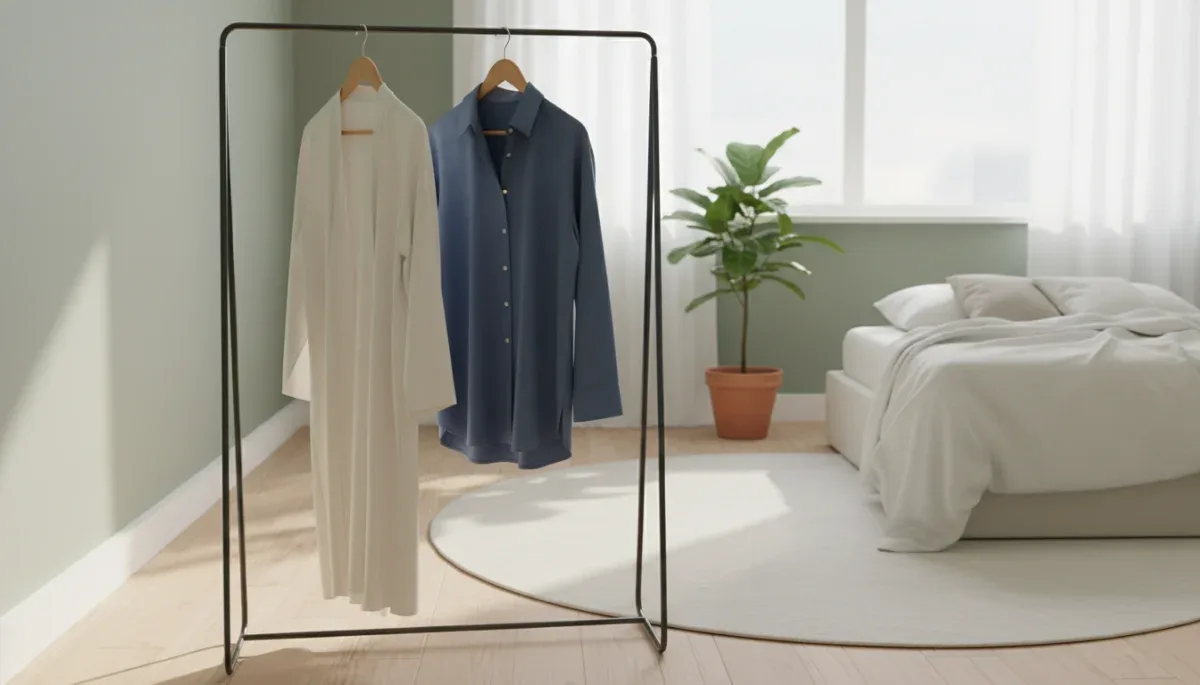
Air permeability also varies depending on whether the mill knits or weaves the yarn. Because modal fibers are exceptionally fine and flexible, textile mills often knit modal into dense, fine-gauge jersey fabrics that sit close to the skin. Tencel fibers feature higher rigidity, making them equally suitable for airy poplin button-ups, twill trousers, and open-weave summer dresses that hold space between the cloth and your skin, allowing continuous airflow.
Key factors influencing daily cooling
- Vapor absorption: Both textiles absorb perspiration significantly faster than polyester, preventing that clammy, slick feeling common in synthetic activewear.
- Drying duration: Tencel fibers disperse trapped moisture across a wider surface area, helping garments dry faster on the body after sudden heat exposure.
- Thermal regulation: The smooth external surface of both fibers does not trap dead air pockets, producing an instant cool-to-the-touch sensation upon contact with warm skin.
Drape, hand feel, and fabric weight
The visual way a garment falls across your shoulders and waistline defines its drape. Modal is widely regarded as one of the most fluid, liquid fabrics available in modern apparel retail. Its fibers exhibit low bending stiffness, which allows knit dresses, camisoles, and sleep shirts to cascade directly downward in soft, body-skimming ripples. If you run a modal scarf between your fingers, it feels cool, slick, and nearly weightless, mimicking the sensory characteristics of washed silk without the fragility of animal protein fibers.
Tencel delivers a different hand feel that balances fluidity with subtle body and substance. While it remains far softer than unwashed linen or heavy cotton canvas, Tencel lyocell resists pure limpness. When cut into an A-line skirt, wide-leg trouser, or casual blazer, Tencel falls in clean, sculpted folds rather than collapsing tightly against the contours of the body. This structural integrity gives everyday garments an intentional, polished aesthetic suitable for professional office settings and social occasions.
Surface texture also separates the two fabrics over extended wear. Modal maintains a butter-soft, peach-skin finish that remains consistent across numerous wears. Tencel can be finished in multiple textures depending on mill processing: it can appear as a lustrous, silky twill, a dry-touch chambray resembling weathered denim, or a sand-washed matte surface with a velvety hand. Shoppers seeking unstructured loungewear usually prefer modal, while those looking for smart-casual daywear gravitate toward Tencel.
Durability, pilling resistance, and laundry care
The primary vulnerability of regenerated cellulose fabrics is wet abrasion. When cotton gets wet, its hydrogen bonds realign, making the fiber roughly twenty percent stronger in the wash. In contrast, standard viscose loses up to half its tensile strength when saturated with water, leaving it prone to seam splits and rips inside an active washing machine drum. Both modal and Tencel solve this problem to different extents, but they still demand gentler handling than rugged plant staples like raw denim or heavy canvas.
Tencel lyocell holds the highest wet tensile strength among all regenerated cellulose types. Even when completely submerged, its fibers resist tearing and retain their structural dimensions. However, lyocell fibers are susceptible to fibrillating, a process where tiny micro-fibrils on the exterior of the yarn splinter off under vigorous mechanical friction. In early production runs decades ago, this caused white, frosty patches on dark garments; modern mills use enzyme washes to control fibrillation, but aggressive agitation can still cause surface fuzziness over several years.
Modal displays lower wet strength than Tencel, making it vulnerable to stretching out of shape if washed on heavy cycles or hung up to dry while holding heavy water weight. Modal knits can also develop surface pilling if subjected to frequent friction from rough outerwear linings, rough leather bag straps, or coarse laundry items like heavy zippered jackets. Following careful laundering protocols prevents premature textile degradation for both fabrics.
Practical washing guidelines
- Water temperature: Wash both fabrics in cold water on a delicate or gentle cycle to preserve fiber elasticity and prevent shrinkage.
- Detergent selection: Use mild, neutral liquid detergents free of optical brighteners and chlorine bleach, which weaken cellulose chains over repeated washes.
- Drying methods: Lay garments flat to dry on a clean drying rack rather than running them through high-heat automated tumble dryers, which cause fiber snapping and dimensional shrinkage.
- Steaming and pressing: Use a low-to-medium heat iron with a damp pressing cloth, or use a handheld garment steamer to release wrinkles without scorching the delicate outer filaments.
Environmental footprint and production standards
Shoppers often encounter Tencel and modal marketed under general eco-friendly umbrella terms, but their manufacturing supply chains carry distinct environmental profiles. The closed-loop process used to spin Tencel lyocell is considered one of the cleanest methods in commercial textile production. Because the organic solvent NMMO is recovered and re-introduced to dissolve subsequent batches of eucalyptus pulp, factory effluent remains minimal, and atmospheric emissions are carefully captured within closed piping systems.
Modal production historically used conventional viscose chemical systems, which release carbon disulfide and hydrogen sulfide emissions unless advanced scrubbers are installed on exhaust flues. When buying modal, verifying the specific source matters significantly. Lenzing Modal utilizes an integrated recovery system that reclaims sulfur products and wood chemicals directly at their production sites, achieving high environmental safety benchmarks. However, generic modal produced by uncertified third-party mills in regions with loose environmental regulations may operate without closed-loop solvent reclamation, generating water pollutants and higher industrial waste.
Raw wood sourcing is an equally critical component of overall sustainability. Fast-growing eucalyptus trees used for lyocell thrive on marginal land unsuitable for agriculture, requiring minimal artificial irrigation and no synthetic pesticides. Beechwood trees used for certified modal naturally rejuvenate through regular forest cycles without extensive artificial planting. To ensure that your garments do not drive old-growth forest clearance, look for independent certifications such as Forest Stewardship Council (FSC) or Program for the Endorsement of Forest Certification (PEFC) labels on garment tags at the time of purchase.
How to choose between Tencel and modal for your wardrobe
Deciding between Tencel and modal comes down to the intended purpose of the garment, how close it sits to your skin, and how structured you need the silhouette to appear throughout the day. Selecting the appropriate fiber for each category ensures optimal comfort and extends the useful lifespan of your wardrobe investments.
Modal excels in foundational, skin-contact items where zero-abrasion softness is the primary requirement. Underwear, bralettes, pajamas, base-layer tees, and draped wrap robes perform best in modal or modal-cotton blends. The fiber's signature flexibility moves naturally with the body without binding, pinching, or creating harsh pressure lines beneath structured outer clothing. If you want a weekend lounge pant that feels barely there, modal is the ideal material.
Tencel is the superior option for visible, structured outer garments and tailored warm-weather staples. Woven Tencel button-downs, utility jackets, pleated trousers, jumpsuits, and midi dresses maintain their architectural lines throughout hours of sitting and walking while keeping you comfortably cool. It is also an outstanding choice for everyday bed sheets, where its high moisture-wicking capacity and smooth fiber surface keep nighttime sleepers cool and prevent fabric chafing against delicate facial skin.
At a glance
| Factor | What to know |
|---|---|
| Raw material source | Tencel primarily uses sustainably harvested eucalyptus, while modal uses cultivated beechwood pulp. |
| Moisture absorption | Both absorb moisture well, but Tencel releases sweat vapor into the surrounding air faster. |
| Drape and weight | Modal drapes fluidly and clings softly, while Tencel provides structured, airy movement. |
| Washing durability | Tencel retains higher wet strength, whereas modal requires gentle handling to prevent stretching. |
Frequently asked questions
Does Tencel shrink more than modal in the wash?
Modal shrinks more easily than Tencel when subjected to hot water or high dryer heat. While both fabrics undergo minor shrinkage during their initial warm laundry exposure, Tencel lyocell displays greater dimensional stability. Laundering both fabrics in cold water and drying them flat prevents unwanted garment shortening.
Can modal and Tencel fabrics be ironed safely?
Yes, but you should always use low or medium heat settings without direct dry pressure. High iron temperatures can scorch or glaze semi-synthetic cellulose fibers, leaving shiny, permanent press marks. Steaming garments or placing a clean cotton pressing cloth between the fabric and iron protects delicate surfaces.
Is Tencel better than modal for sensitive skin?
Both fabrics are hypoallergenic and exceptionally gentle on easily irritated skin due to their smooth, uniform fiber perimeters. However, Tencel has a slight advantage for active individuals prone to heat rashes because its superior moisture wicking prevents sweat from lingering against the skin surface during long days.
Why are Tencel garments generally more expensive than modal?
Tencel costs more because of its specialized closed-loop production technology and proprietary solvent recovery systems. The capital investment required to build and operate these clean chemical facilities increases mill production overhead compared to standard modal manufacturing methods, though certified modal prices often match Tencel equivalents.
The bottom line
Choose modal when your top priority is cloud-like softness, gentle cling, and relaxed fluidity for loungewear, sleepwear, or everyday base layers. Select Tencel whenever you need reliable cooling, rapid sweat evaporation, and refined structure for work shirts, summer dresses, or warm-weather trousers. Before purchasing any garment, check the sewn-in care label to verify the exact fiber percentage and confirm whether the piece requires delicate washing or flat air-drying to retain its original shape.
Written by
Maria Eduarda
Maria Eduarda writes about benefits, clothes and shoes for bestinyour.com. Each article explains how things work, compares published details such as prices, policies and program rules, and points readers to the official source before they decide.