
Advertisements
Have you ever wondered if the very clothes you are wearing could help restore the planet rather than deplete it? The fashion industry is undergoing a massive shift, driven by sustainable fabric innovations that are completely redefining what we wear in 2026.
This material revolution moves far beyond basic recycling, introducing next-generation textiles engineered in laboratories and grown on regenerative farms.
From lab-grown mushroom leather to circular fibers that can self-heal, these advanced low-impact alternatives deliver high-performance durability without the heavy environmental footprint.
Advertisements
Step inside the cutting-edge world of eco-conscious apparel to discover how these circular textiles are moving from niche concepts to wardrobe staples.
Whether you are a designer, a brand manager, or a conscious consumer, these five breakthroughs will permanently transform your relationship with fashion.
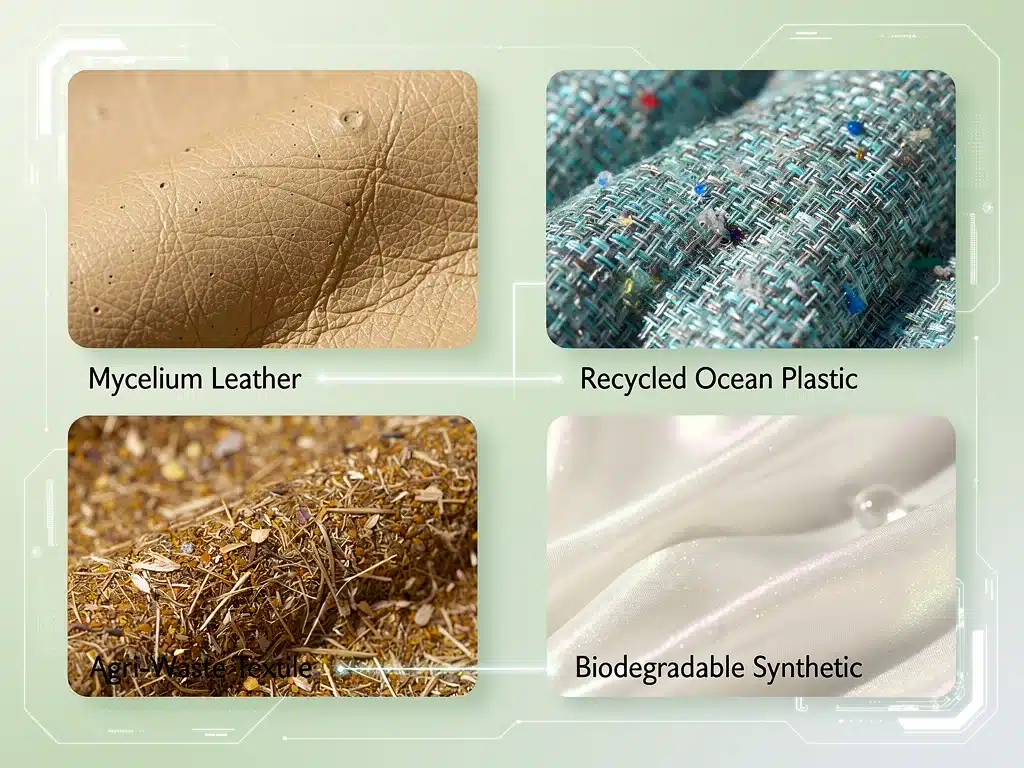
The Rise of Mycelium-Based Leathers: A Fungi-Powered Future
Mycelium, the root structure of mushrooms, is rapidly emerging as a leading contender in the sustainable materials race, offering a compelling alternative to traditional animal and synthetic leathers.
Advertisements
Its ability to grow quickly and be cultivated on agricultural waste makes it an incredibly resource-efficient option for the apparel industry.
This innovative bio-material boasts a remarkable resemblance to animal leather in terms of texture, durability, and aesthetic versatility, making it highly attractive for luxury and everyday fashion alike.
Brands are increasingly investing in its development, recognizing its potential to significantly reduce the environmental footprint associated with conventional leather production.
By 2026, experts anticipate a significant scale-up in mycelium leather production, driven by advancements in biotechnology and increasing consumer acceptance. This represents a crucial step towards achieving a circular economy in fashion, where materials are renewable and biodegradable.
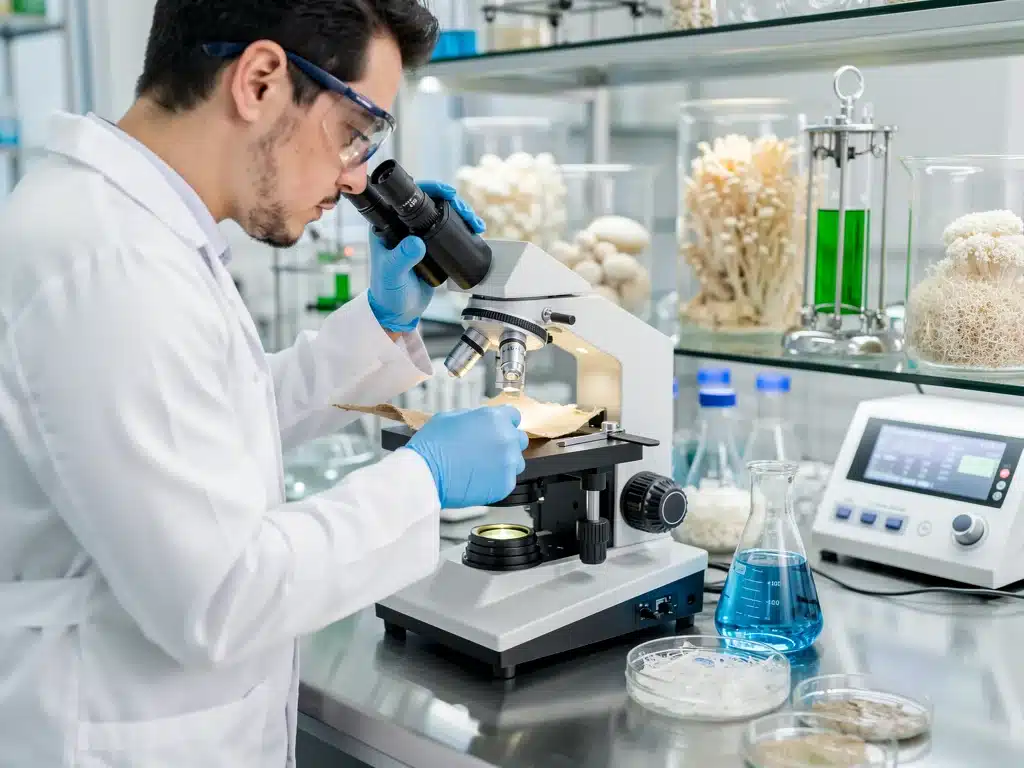
The Science Behind Mycelium Leather
Mycelium is grown in controlled environments, often on sawdust or other organic byproducts, requiring minimal land and water compared to livestock farming.
The mycelial mat is then harvested, processed, and treated to create a material that can be dyed, cut, and stitched just like traditional leather.
Companies like MycoWorks and Bolt Threads are at the forefront of this innovation, developing proprietary methods to produce high-quality mycelium materials.
Their progress is making Sustainable Fabric Innovations 2026 a reality, offering scalable solutions for the fashion sector.
Environmental Benefits and Market Adoption
- Significantly lower carbon footprint compared to animal leather.
- Reduced water usage and chemical pollution in production.
- Biodegradable at the end of its lifecycle, promoting circularity.
- Increasing adoption by major fashion houses and luxury brands.
The widespread adoption of mycelium-based leathers could dramatically reduce the demand for animal products and petroleum-based synthetics. This shift is integral to achieving the ambitious sustainability goals set for the apparel industry by 2026.
Recycled Ocean Plastics: Turning Waste into Wearables
The alarming amount of plastic waste polluting our oceans has spurred a powerful movement to transform this environmental hazard into valuable resources, particularly for the apparel sector.
Recycled ocean plastics are now being ingeniously converted into high-performance fabrics, offering a tangible solution to marine pollution.
These innovative textiles are not only diverting plastic from landfills and oceans but are also demonstrating remarkable versatility, appearing in everything from athletic wear to high fashion.
The process involves collecting, cleaning, and processing plastic waste, which is then spun into threads suitable for garment production.
The growing availability and quality of fabrics made from recycled ocean plastics are making them a cornerstone of Sustainable Fabric Innovations 2026. This trend signifies a critical shift towards resource recovery and closed-loop systems within the fashion supply chain.
The Journey from Ocean to Outfit
Plastic waste, primarily PET bottles and fishing nets, is collected from oceans, beaches, and coastal communities. It undergoes a rigorous cleaning and shredding process before being melted down and extruded into new fibers.
These fibers maintain the strength and durability required for apparel.
Companies like ECONYL and BIONIC Yarn have pioneered technologies to create premium fabrics from these recovered plastics. Their efforts are proving that waste can indeed be a valuable resource, driving significant progress in sustainable material development.
Impact on the Apparel Industry
- Reduces plastic pollution in marine ecosystems.
- Decreases reliance on virgin fossil fuels for synthetic fibers.
- Provides durable and versatile materials for various apparel types.
- Boosts brand image and consumer trust through eco-conscious practices.
The integration of recycled ocean plastics into mainstream fashion is a testament to the industry’s commitment to sustainability. This innovation offers a direct and impactful way to address one of the most pressing environmental challenges of our time while creating desirable products.
Agricultural Waste Textiles: From Farm to Fabric
The vast amounts of agricultural waste generated globally present a significant environmental challenge, but also an incredible opportunity for innovation in sustainable textiles.
Researchers and companies are now successfully transforming crop residues, such as pineapple leaves, banana stalks, and hemp hurds, into durable and biodegradable fabrics for apparel.
This approach offers a dual benefit: it reduces agricultural waste that would otherwise be burned or left to rot, contributing to greenhouse gas emissions, and provides a renewable source of raw materials for the fashion industry.
These bio-based fabrics often possess unique properties, including strength, breathability, and natural antibacterial qualities.
As we look towards 2026, textiles derived from agricultural waste are expected to gain considerable traction, becoming a vital component of Sustainable Fabric Innovations 2026.
This shift helps to create a more localized and circular supply chain, reducing transportation impacts and supporting rural economies.
Innovative Fiber Extraction from Crop Residues
The process typically involves extracting cellulose fibers from the plant waste, which are then spun into yarn.
Different plant sources yield fibers with varying characteristics, allowing for a diverse range of fabric types suitable for different apparel applications. For instance, pineapple leaf fiber (Piñatex) offers a leather-like alternative.
Startups and established textile manufacturers are investing in the research and development of these new fibers. Their work is expanding the palette of sustainable materials available to designers, pushing the boundaries of eco-friendly fashion.
Advantages of Agricultural Waste Fabrics
- Utilizes existing waste streams, reducing environmental impact.
- Reduces reliance on conventional cotton and synthetic fibers.
- Offers biodegradable and compostable end-of-life solutions.
- Supports local farming communities and promotes rural development.
The potential for agricultural waste textiles is immense, promising a future where fashion production is deeply intertwined with sustainable agriculture.
This innovation embodies the principles of a regenerative economy, where waste is minimized and resources are continually renewed.
Bio-Synthetics and Biodegradable Polymers: Next-Gen Performance
While natural fibers are highly valued for their sustainability, the demand for high-performance synthetic materials in activewear and technical apparel remains strong.
This has led to significant advancements in bio-synthetics and biodegradable polymers, offering the performance characteristics of traditional synthetics without the lasting environmental burden.
These next-generation materials are often derived from renewable biomass sources, like corn starch or sugar cane, and are engineered to break down naturally at the end of their useful life.
This addresses the pervasive problem of microplastic pollution and landfill accumulation associated with conventional polyester and nylon.
By 2026, bio-synthetics and biodegradable polymers are set to play a pivotal role in Sustainable Fabric Innovations 2026, providing designers with a wider array of sustainable options for specialized apparel.
Their development is critical for achieving a truly comprehensive approach to eco-friendly fashion.
Engineering Biodegradable Performance
Poly Lactic Acid (PLA) and Polyhydroxyalkanoates (PHA) are two prominent examples of bio-based polymers being developed for textiles.
These materials can be spun into fibers that offer moisture-wicking, stretch, and durability, comparable to petroleum-based synthetics, yet are designed for biological decomposition.
Leading textile innovators are focusing on improving the scalability and cost-effectiveness of these materials. The goal is to make high-performance sustainable options accessible to a broader market, accelerating the transition away from problematic conventional synthetics.
Key Features and Applications
- Derived from renewable resources, reducing fossil fuel dependence.
- Engineered for biodegradability or compostability, mitigating waste.
- Offers performance attributes suitable for activewear and technical garments.
- Reduces microplastic shedding compared to traditional synthetics.
The evolution of bio-synthetics marks a crucial turning point, allowing the apparel industry to meet consumer demand for performance and aesthetics while upholding rigorous environmental standards. This category is essential for the future of sustainable fashion.
Carbon Capture Textiles: Innovating with Atmospheric CO2
Perhaps one of the most ambitious sustainable fabric innovations involves utilizing captured carbon dioxide (CO2) from the atmosphere or industrial emissions as a raw material for textile production.
This groundbreaking technology offers a direct way to sequester carbon while creating new, valuable materials.
While still in its nascent stages, the potential of carbon capture textiles is immense, promising a future where fashion actively contributes to climate change mitigation.
The process typically involves converting CO2 into polymers that can then be spun into fibers, effectively turning a pollutant into a product.
As research intensifies, carbon capture textiles are expected to become a significant, albeit specialized, part of Sustainable Fabric Innovations 2026. This represents a frontier in material science, pushing the boundaries of what is possible in eco-friendly manufacturing.
The Process of Carbon-Negative Fabric Production
Technologies are being developed to capture CO2 and convert it into monomers, which are the building blocks of polymers.
These polymers can then be used to create synthetic fibers that are both durable and potentially biodegradable. The aim is to create a closed-loop system where carbon is continuously reused.
Companies like AirCarbon are exploring ways to commercialize these processes, working towards scalable solutions for the apparel industry. This innovation holds the promise of not just reducing emissions, but actively removing carbon from the atmosphere.
Challenges and Future Prospects
- High initial investment and technological complexity.
- Scaling production to meet industry demand remains a hurdle.
- Potential for significant environmental benefits if widely adopted.
- Represents the cutting edge of truly carbon-negative manufacturing.
The development of carbon capture textiles illustrates the innovative spirit driving the sustainable fashion movement. While still a developing field, its long-term potential to create truly climate-positive apparel is a powerful vision for 2026 and beyond.
The Broader Impact of Sustainable Fabric Innovations on Apparel
These five sustainable fabric innovations are not operating in isolation; they are part of a larger, interconnected movement towards a more ethical and environmentally conscious apparel industry.
Their collective impact extends beyond just material selection, influencing design, manufacturing processes, and consumer behavior.
The shift towards these materials encourages brands to re-evaluate their entire supply chain, fostering greater transparency and accountability. From sourcing raw materials to end-of-life solutions, every stage is being scrutinized for its environmental and social footprint.
Ultimately, the prominence of Sustainable Fabric Innovations 2026 signifies a paradigm shift where sustainability is no longer a niche concern but a fundamental aspect of quality and innovation in fashion. This transformation promises a more resilient and responsible industry for the future.
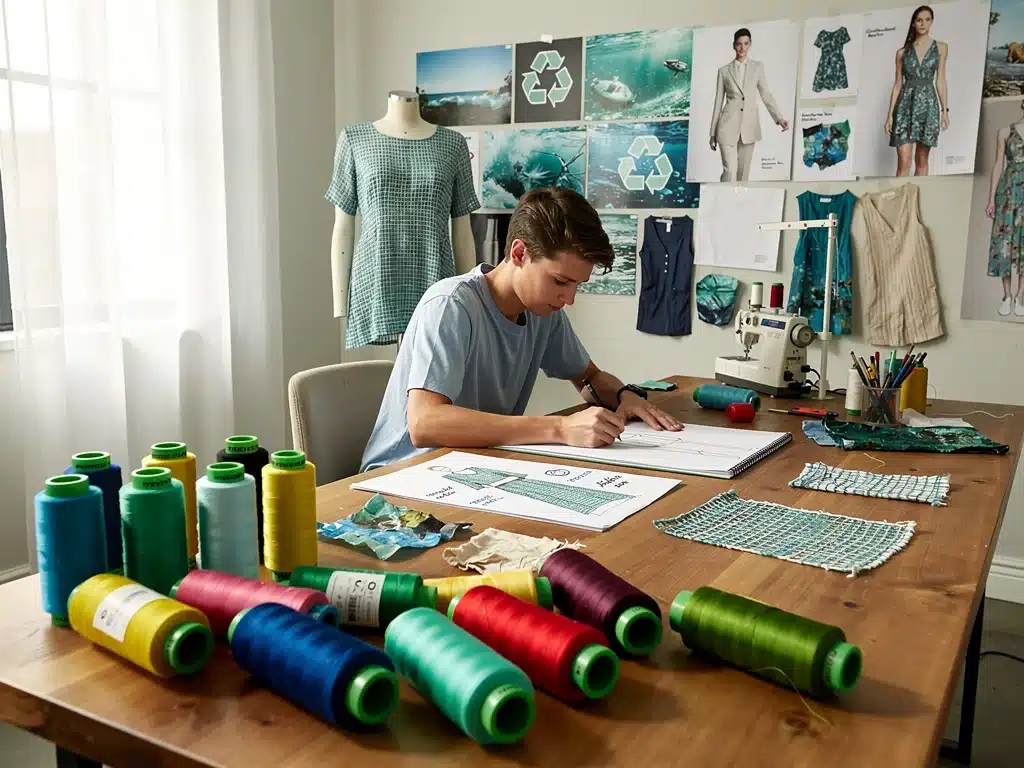
Designing for Circularity
The availability of biodegradable and recyclable fabrics is inspiring designers to create garments with their end-of-life in mind. This includes designing for disassembly, using mono-materials, and avoiding harmful dyes and finishes that impede recycling or composting.
The concept of circular fashion, where materials are kept in use for as long as possible and then regenerated, is becoming a guiding principle. This approach minimizes waste and maximizes resource efficiency, aligning perfectly with the ethos of these new fabric technologies.
Consumer Engagement and Education
- Increased demand for transparent sourcing and ethical production.
- Growing awareness of textile waste and microplastic pollution.
- Preference for brands committed to genuine sustainability.
- Educational initiatives highlighting the benefits of innovative materials.
As consumers become more informed about the environmental impact of their clothing choices, the demand for products made from these sustainable fabric innovations will only grow.
This consumer-driven pressure is a powerful catalyst for industry-wide change, accelerating the adoption of eco-friendly practices.
Challenges and Opportunities for Adoption by 2026
While the promise of these sustainable fabric innovations is immense, their widespread adoption by 2026 faces several challenges, including scalability, cost, and consumer perception.
Overcoming these hurdles will require continued investment, collaborative efforts, and strategic market positioning.
Scaling up production of novel materials often entails significant capital expenditure and technological advancements, which can initially drive up costs compared to established conventional fabrics.
Additionally, educating consumers about the value and benefits of these new textiles is crucial for market acceptance.
However, these challenges also present significant opportunities for brands willing to lead the charge in sustainable fashion, positioning themselves as pioneers in Sustainable Fabric Innovations 2026.
Early adopters can gain a competitive edge and build strong brand loyalty among environmentally conscious consumers.
Addressing Scalability and Cost Barriers
Investment in R&D and manufacturing infrastructure is paramount to bring these innovations to a larger scale.
Government incentives and venture capital funding are increasingly supporting companies working on sustainable textile solutions, helping to bridge the gap between lab-scale production and commercial viability.
Furthermore, as production volumes increase, economies of scale are expected to drive down costs, making these sustainable fabrics more competitive. Strategic partnerships between material innovators and major apparel manufacturers will also be key to accelerating adoption.
Educating the Market
- Clear labeling and certification for sustainable products.
- Marketing campaigns highlighting environmental benefits and performance.
- Collaborations with influencers and educators to raise awareness.
- Showcasing the aesthetic and functional qualities of new materials.
Effective communication about the origin, properties, and end-of-life options for these new fabrics is essential.
Consumers need to understand not just that a fabric is sustainable, but why and how it contributes to a better planet, reinforcing the value proposition of Sustainable Fabric Innovations 2026.
| Key Innovation | Brief Description |
|---|---|
| Mycelium Leathers | Fungi-based alternatives to animal and synthetic leathers, grown on agricultural waste. |
| Recycled Ocean Plastics | High-performance fabrics created from recovered marine plastic waste. |
| Agricultural Waste Textiles | Fabrics derived from crop residues like pineapple leaves and banana stalks. |
| Biodegradable Polymers | Bio-synthetics from renewable sources, designed to naturally decompose. |
Frequently Asked Questions About Sustainable Fabric Innovations
The primary drivers include increasing consumer demand for eco-friendly products, urgent environmental concerns like climate change and pollution, and stricter regulations on textile waste. These factors push the apparel industry towards more responsible and innovative material solutions.
Many sustainable fabric innovations are designed to match or even exceed the performance of traditional materials. Mycelium leathers offer durability, while bio-synthetics provide stretch and moisture-wicking. Continuous research ensures these eco-friendly options meet industry standards without compromise.
While initial costs can be higher, increased production scale and technological advancements are expected to drive prices down. By 2026, many sustainable fabric innovations should become more accessible, making eco-friendly fashion a viable option for a broader consumer base.
Consumer demand is crucial. By consciously choosing products made from sustainable fabric innovations, consumers signal to brands the importance of eco-friendly practices. This market pull encourages further investment and development in sustainable textile solutions across the apparel sector.
Many of these innovations, like mycelium and agricultural waste textiles, are designed to be biodegradable or compostable. Recycled ocean plastics are inherently recyclable. However, proper infrastructure for recycling and composting is essential to ensure these materials fulfill their sustainable potential.
Looking Ahead: The Future of Eco-Friendly Fashion
The landscape of apparel is undergoing a profound transformation, driven by the relentless pursuit of sustainability and innovation. The insights into sustainable fabric innovations reveal a future where environmental responsibility and cutting-edge design converge.
As these materials move from niche applications to mainstream adoption, they promise not only to reduce the ecological footprint of the fashion industry but also to inspire new aesthetic possibilities.
The ongoing developments in material science underscore a collective commitment to a more balanced and regenerative approach to clothing production and consumption.
Monitoring the progress of these innovations and the industry’s response will be key. The trajectory indicates that by 2026, eco-friendly fashion will be defined not just by what it avoids, but by the revolutionary materials it embraces, shaping a truly sustainable wardrobe for all.
