
Raw denim vs washed denim: fit, care, and shrinkage
Advertisements
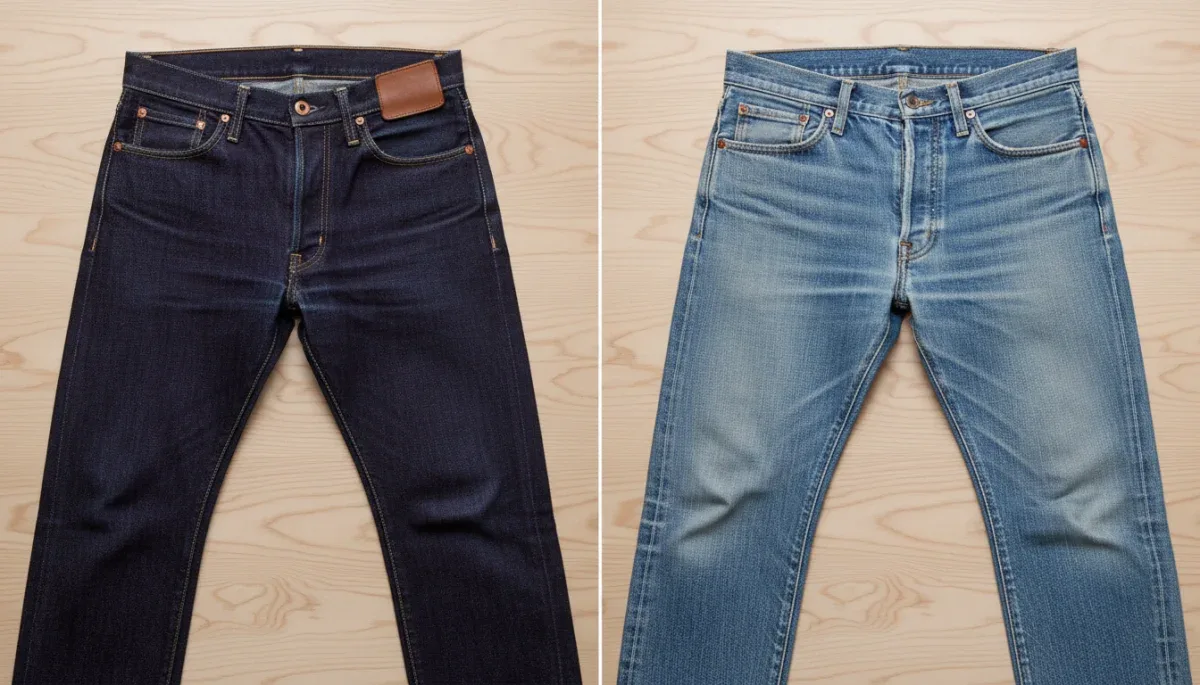
Raw denim offers custom molding and natural fading over time, while washed denim delivers immediate softness, color consistency, and minimal shrinkage from the first wear. Choosing between them depends on whether you prefer jeans that adapt uniquely to your body through dedicated wear or a pair that fits comfortably straight off the retail rack without surprises after laundering. The catch with unwashed fabric is the initial stiffness and the careful measurement calculations required to manage significant dimensional shrinkage.
Understanding fabric preparation helps you invest in everyday clothing that matches your laundry habits and lifestyle routines. Both styles use cotton twill, but the finishing steps taken at the textile mill and manufacturing plant create two distinct user experiences. Knowing what happens when indigo yarns meet water, friction, and daily movement keeps you from ruining a new pair of jeans or buying garments that feel uncomfortably tight after their first domestic cleaning cycle.
Understanding the manufacturing differences
Every pair of jeans begins as raw cotton spun into yarn, with the warp threads dyed in indigo vats and the weft threads left natural white. In raw denim, also known as dry denim or unwashed denim, the fabric is cut and sewn directly into trousers without going through any chemical baths or laundering cycles. Starch applied during weaving remains fully intact, giving new garments their signature cardboard-like stiffness, deep navy color, and uniform surface sheen.
Advertisements
Washed denim, by contrast, undergoes industrial finishing processes immediately after construction. Factory laundries use warm water baths, pumice stones, enzymes, or gentle bleaching agents to rinse away excess surface dye and dissolve stiff manufacturing starches. This mechanical agitation softens the cotton yarns, breaks down fabric rigidity, and replicates months of daily friction before the jeans ever reach store shelves.
Key stages in industrial fabric processing
- Desizing treatments dissolve yarn starches to yield pliable fabric drape.
- Abrasive stone tumbling softens tight weaves and creates subtle surface wear.
- Pre-shrinking hot water baths eliminate future fiber contraction during home washes.
- Controlled chemical rinsing establishes stable color tones across production runs.
Because commercial laundries manage the stress on the seams, factory-washed garments emerge with relaxed stitching and supple pocket bags. Raw denim requires your body heat and natural joint motion to break down those same starch matrices over several weeks of continuous wear.
Shrinkage patterns and sanforization explained
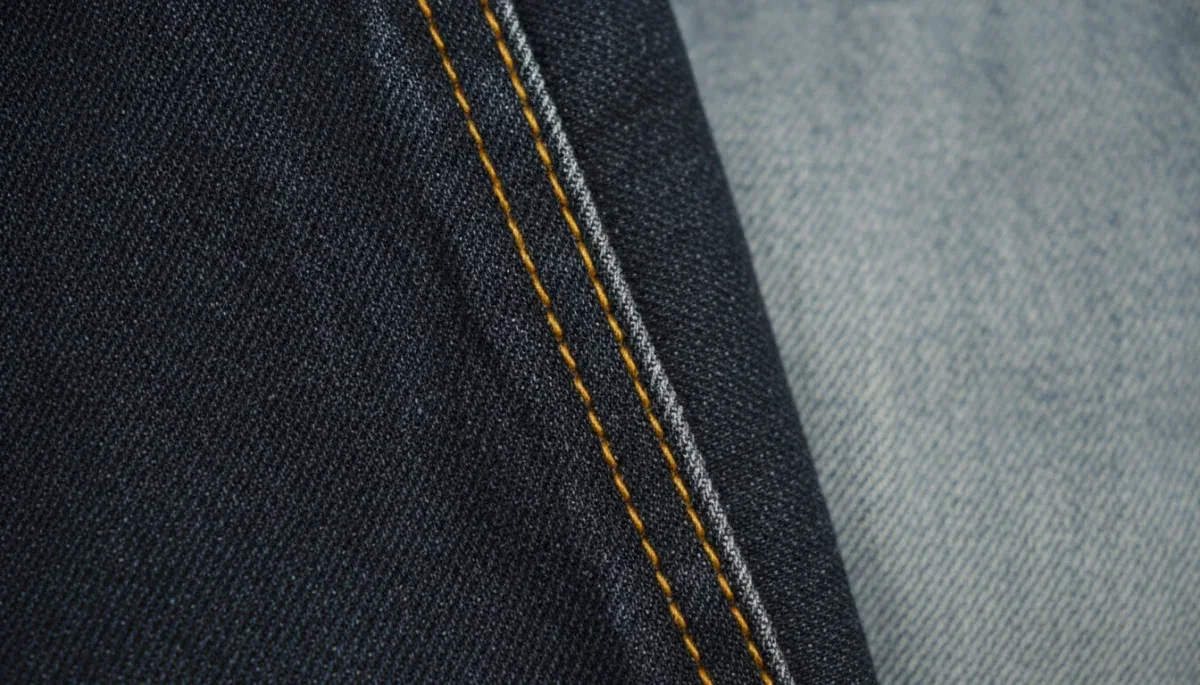
Shrinkage behavior creates the most critical distinction when fitting raw denim vs washed denim for everyday use. All 100 percent cotton fabrics contract when exposed to moisture and heat, but the magnitude depends on whether the material was sanforized during mill production. Sanforization is a mechanical process invented by Sanford Lockwood Cluett that stretches, steams, and compresses loom-state cloth before garment manufacturing.
Advertisements
Sanforized raw denim has been compressed at the mill without losing its surface starch or deep indigo saturation. When you eventually wash a sanforized raw pair, you can expect between one and three percent shrinkage, which equates to roughly half an inch in the waist and one inch in the inseam. This small margin allows shoppers to buy their standard tag size without worrying about drastic fit changes down the road.
Unsanforized raw denim, often labeled as shrink-to-fit or loomstate, bypasses all stabilizing treatments. When immersed in warm water for its initial soak, unsanforized cotton tightens significantly, shrinking between seven and ten percent overall. The inseam can shorten by up to three inches, and the waist band often contracts two full sizes. Washed denim eliminates this sizing math entirely because hot factory washing has already depleted the potential dimensional shrinkage before purchase.
Daily comfort and the physical break-in period
Daily comfort represents the primary tradeoff when evaluating these two fabric styles for general wardrobe duty. Pre-washed jeans provide instant gratification. The waistband flexes immediately against your hips, pocket bags are soft against the hands, and knee bends feel uninhibited during regular sitting and walking. For office environments with casual dress codes or active weekend errands, washed options demand zero physical accommodation.
Raw jeans demand physical persistence throughout their break-in phase. Stiff starch creates friction points behind the knees, around the crotch, and at the top of the hip bones during the initial two to four weeks. Stiff fabric edges can feel abrasive against bare skin, particularly in warm or humid climates where perspiration reacts with rigid cotton twill.
What to expect during the raw break-in
- Waistbands feel rigid for the first several wears before stretching out.
- Honeycomb creases form permanently behind knees based on personal gait.
- Indigo crocking transfers blue dye onto light sneakers, car seats, and furniture.
- Fabric softens progressively as natural movement breaks internal starch bonds.
Once the cotton fibers relax, raw denim molds intimately to the wearer's anatomy. The fabric yields precisely where pressure is exerted, creating a bespoke fit that mass-produced washed garments rarely duplicate.
Aesthetic development and personalized fading
The visual appeal of raw denim centers on individual evolution. Because the indigo dye rests primarily on the exterior surface of the yarn while the core stays white, daily abrasion scrapes away dye molecules over time. High-stress points develop sharp, high-contrast white patterns known as honeycombs behind the knees, whiskers across the lap, and roping along the hemline.
This dynamic aging process documents your personal movement patterns. A commuter who rides a bicycle daily develops distinct wear marks compared to someone working at a standing desk. These genuine wear patterns reflect personal history rather than artificial distressing applied by industrial lasers or sanding blocks in overseas finishing facilities.
Washed denim offers deliberate, controlled aesthetics. If you prefer a consistent mid-blue hue, a clean black shade, or an even stone wash that looks identical from month to month, factory-washed options deliver that uniformity. The fading on washed denim is softer, with lower contrast between worn sections and untouched panels, making it easier to coordinate with business-casual shirts and tailored jackets.
Laundering rules and everyday garment maintenance
Maintaining raw denim vs washed denim requires very different approaches to household laundry. Washed jeans fit easily into ordinary home cleaning routines. You can wash them inside out in cold water using standard liquid detergent every few wears, followed by line drying or low-temperature tumble drying to restore their shape.
Raw denim demands calculated maintenance to preserve deep indigo tones and sharp wear lines. Many denim enthusiasts delay the first machine wash for several months, relying on spot cleaning with damp cloths and overnight airing to keep odors at bay. When washing raw garments, aggressive agitation or warm water can wash away unbound indigo prematurely, turning a crisp dark pair into a muddy, flat blue.
Essential raw denim care practices
- Turn jeans inside out to protect surface indigo from washer drum friction.
- Use gentle, bleach-free liquid detergents formulated for dark cotton textiles.
- Submerge in cold water bathtubs by hand to minimize mechanical creases.
- Drip dry flat or hang by the hem away from direct sunlight.
Machine spin cycles can cause white streak marks across stiff, wet raw denim. Taking time to wash raw garments by hand or on delicate spin settings protects the uniform weave and prevents unwanted vertical creases.
At a glance
| Factor | What to know |
|---|---|
| Initial comfort | Washed denim is soft immediately, while raw denim requires several weeks to soften. |
| Fabric shrinkage | Washed denim remains stable, whereas raw denim shrinks between one and ten percent. |
| Color evolution | Raw denim develops personal contrast fades, while washed styles stay visually consistent. |
| Care requirements | Raw denim requires cold, gentle cleaning methods to avoid unintended dye stripping. |
Frequently asked questions
Does raw denim always shrink more than washed denim?
Yes, raw denim always experiences greater shrinkage than pre-washed denim. Unsanforized raw denim contracts between seven and ten percent, while sanforized raw fabric shrinks up to three percent. Washed jeans have already undergone industrial hot-water washing, which stabilizes cotton fibers before consumer purchase.
Can I prevent raw denim from transferring dye to furniture?
You cannot entirely prevent dye transfer, known as crocking, from brand-new raw denim. Unbound indigo naturally rubs off onto light fabrics and leather surfaces through everyday friction. Soaking the jeans in cold water reduces loose surface pigment, but dye rub-off remains common during early wears.
How often should everyday washed jeans be laundered?
Washed jeans should be laundered every three to ten wears depending on activity level. Washing inside out in cold water preserves cotton elastane blends and prevents premature color fading. Spot cleaning minor dirt marks between cycles extends garment lifespan and reduces household utility consumption.
Is raw denim more durable than pre-washed denim?
Raw denim often lasts longer initially because factory washing techniques weaken cotton fibers through chemical and mechanical stress. However, if raw denim is worn constantly without washing, accumulated body oils and dirt particles can break down cotton threads, causing premature crotch blowouts.
The bottom line
Selecting raw denim over washed denim comes down to your willingness to manage fabric break-in and specialized care in exchange for high-contrast fading and a molded personal fit. If you want instant comfort and dependable measurements that never shift on laundry day, pre-washed jeans remain the most practical everyday choice. Before spending money on either option, check the inner garment care label to confirm whether the denim is sanforized or unsanforized so you can size the waistband accurately.
Written by
Maria Eduarda
Maria Eduarda writes about benefits, clothes and shoes for bestinyour.com. Each article explains how things work, compares published details such as prices, policies and program rules, and points readers to the official source before they decide.