
Mineral vs Liquid Foundation for Dry and Sensitive Skin
Advertisements
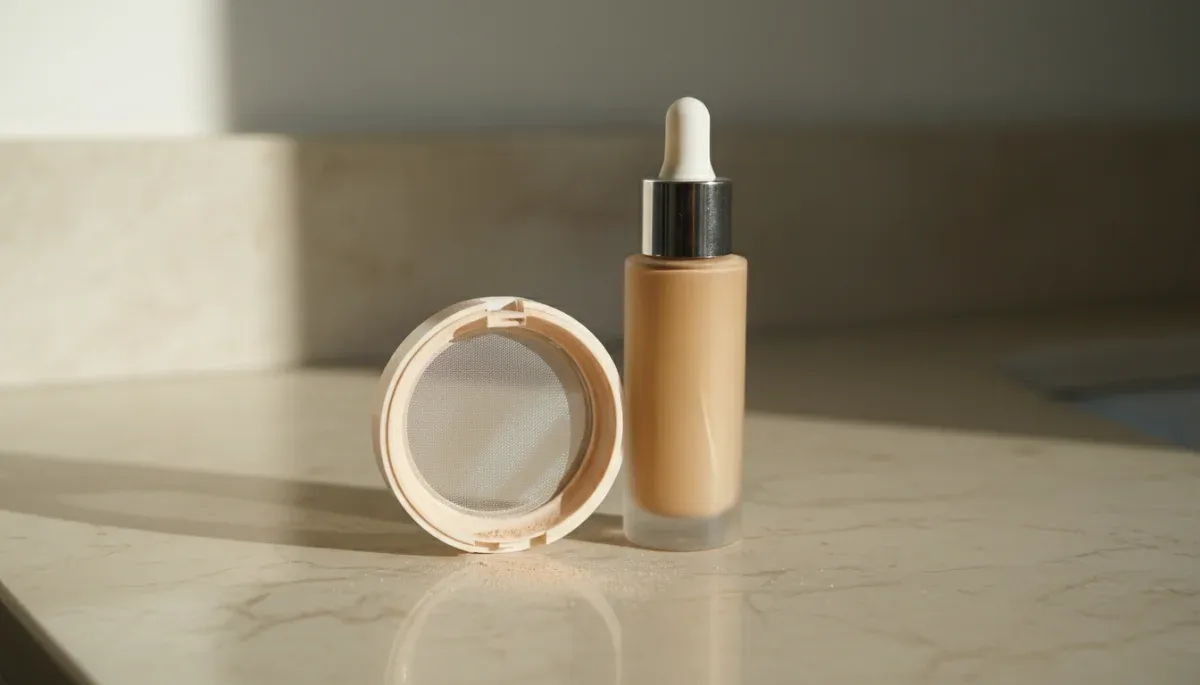
Liquid foundation generally offers the emollient hydration required to keep dry skin from showing texture, while mineral powder provides a non-reactive, soothing barrier that reduces flare-ups on sensitive skin. Choosing between them requires balancing your need for surface moisture against your tolerance for common cosmetic additives and preservatives.
This comparison helps individuals dealing with tight, peeling, or reactive skin determine which base formula preserves moisture without triggering contact dermatitis or redness. The primary trade-off is structural: liquids deliver plumping emollients at the risk of exposing reactive skin to emulsifiers, whereas powders eliminate irritants but can absorb the natural oils your skin desperately needs.
How mineral powder and liquid foundation interact with dry skin
Dry skin lacks sufficient sebum production, which leads to a compromised moisture barrier, rough patches, and a dull surface appearance. Liquid foundations are formulated with an emulsion base, typically blending water, oils, silicones, and humectants such as glycerin or sodium hyaluronate. When applied over dry skin, these ingredients create an immediate artificial lipid layer. This layer fills in micro-fissures on the epidermis, reflects light uniformly, and prevents transepidermal water loss throughout the day.
Advertisements
Mineral foundations, whether loose or pressed, are fundamentally composed of crushed inorganic pigments such as titanium dioxide, zinc oxide, iron oxides, and mica. Dry minerals naturally possess absorbency. When placed directly onto parched skin, mineral powders draw surface moisture into the powder matrix to adhere to the face. If the skin beneath lacks a substantial emollient preparation, the powder can settle into dry expression lines, emphasize micro-peeling, and create an uncomfortable sensation of surface tightness within hours of application.
However, modern mineral processing has modified this behavior. Finely milled minerals coated with amino acids, jojoba esters, or squalane behave far less aggressively on dry areas than traditional talc-based powders. When layered over a dedicated barrier moisturizer, mineral particles can melt into the underlying skin prep, providing a breathable tint that moves naturally with facial expressions without cracking.
Ingredient profiles and sensitivity considerations
Sensitive skin reacts quickly to fragrance, aggressive preservatives, and chemical sunscreens. In this category, traditional mineral formulas hold a distinct advantage. Pure mineral makeup typically contains fewer than ten ingredients and relies on zinc oxide and titanium dioxide, both of which are classified as physical sunscreens and are widely known for their skin-soothing, anti-inflammatory properties. Because dry mineral powders contain no water, they require little to no synthetic preservatives or biocides, eliminating exposure to parabens, phenoxyethanol, and formaldehyde-releasing agents.
Advertisements
Liquid foundations, because they are water-based emulsions, inherently require broad-spectrum preservatives to prevent microbial growth. Liquid formulations also depend heavily on emulsifiers, stabilizers, and textural thickeners. While safe for healthy skin, these additives can irritate an impaired skin barrier, leading to stinging, contact erythema, or perioral dermatitis. Furthermore, many commercial liquid bases include synthetic fragrances or masking fragrances that pose documented risks for sensitizing delicate skin.
Key ingredients to check on cosmetic labels
- Zinc oxide: Calms inflamed skin, reduces redness, and provides physical protection from ultraviolet light.
- Bismuth oxychloride: A mineral additive used for shimmer that frequently triggers itching, stinging, and cystic bumps in sensitive skin.
- Botanical extracts and essential oils: Natural fragrances frequently found in clean liquid bases that can cause severe contact allergies.
- Glycerin and squalane: Gentle hydrating agents in liquid foundations that match the skin lipid profile without irritating tissue.
Application techniques to prevent flaking and irritation
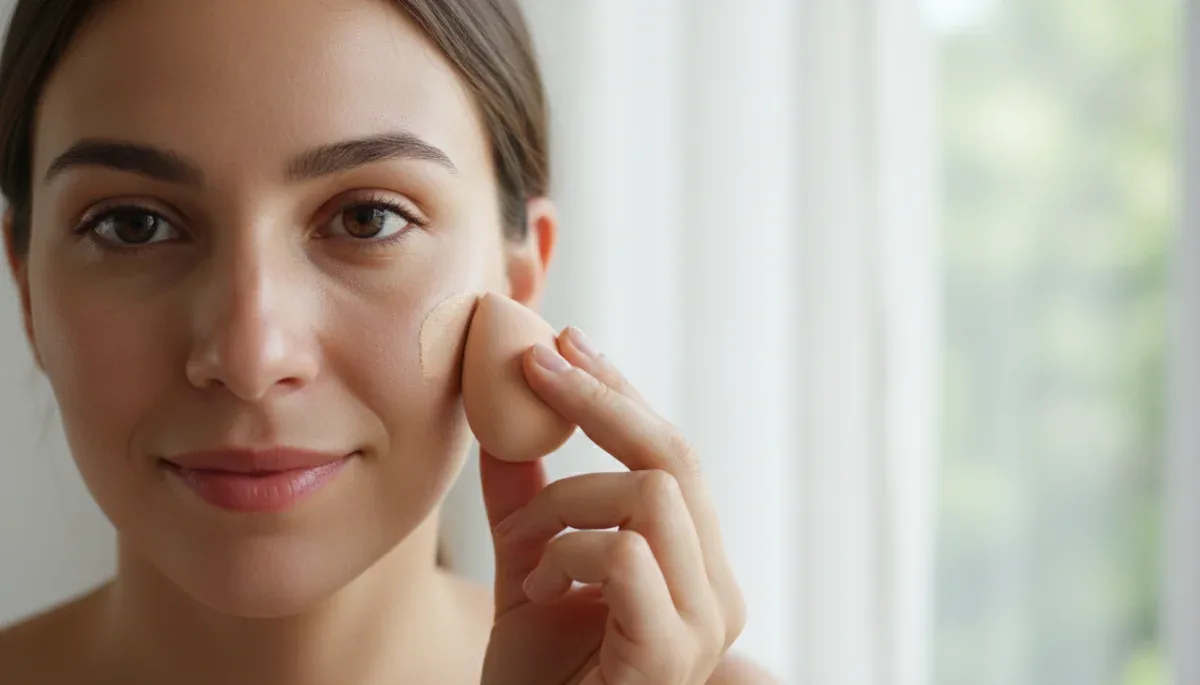
Application mechanics significantly dictate how either foundation formula performs on textured or irritable skin. Friction is a common aggravator of facial redness, meaning the tool you select is just as important as the pigment itself. For liquid foundation, dragging dense flat brushes across dry zones can lift delicate skin flakes and cause visible shedding. The gentlest method involves patting liquid formula into the skin using clean fingertips or a thoroughly dampened non-latex sponge, which deposits hydration without shearing the surface layers.
Applying mineral powder to dry skin requires a complete departure from traditional buffing methods. Circular buffing motions using a dense kabuki brush create micro-friction that disturbs flaky skin and irritates reactive blood vessels, leading to flushing. Instead, dry skin requires a gentle pressing or stippling technique using a flat-top brush or a damp sponge lightly coated in powder. This allows the mineral particles to bond to your moisturizer rather than agitating your epidermal cells.
Skin preparation is the critical variable that determines success for both formulas. Liquid makeup requires a clean, non-greasy moisturizer underneath to avoid destabilizing the emulsion. Mineral powder, by contrast, demands a rich, oil-supportive cream applied at least five minutes prior. Allowing your skincare to sink in before applying powder ensures the minerals find adequate lipid content on the skin surface, transforming the powder into a creamy, cohesive finish.
Coverage levels, finish, and skin longevity
Liquid foundations provide a broader spectrum of coverage options, ranging from sheer, dewy skin tints to opaque, full-coverage matte finishes. For dry skin, hydrating liquid foundations offer immediate optical correction by smoothing dry flakes with light-reflecting emollients. Longevity, however, can be an issue. Emollient-heavy liquid foundations can migrate into fine lines around the eyes and mouth as facial movements shift the unanchored oil-water film throughout the day.
Mineral foundation delivers buildable coverage that starts sheer and can be layered to a medium-to-full finish. While mineral makeup rarely offers the high-gloss glow of a dewy liquid tint, it provides a natural satin finish that mimics healthy skin luminosity. Because pure mineral particles do not oxidize or break down in the presence of natural oils, mineral powder often demonstrates superior staying power without separating, turning patchy, or sliding off the skin during longer wear.
Performance characteristics across wear time
- Creasing resistance: Lightweight mineral powders resist creasing better than heavy liquid creams when skin is well-prepped.
- Texture smoothing: Liquid foundations fill deep crevices and rough patches more effectively than dry mineral crystals.
- Color stability: Mineral pigments resist oxidation from skin oils, maintaining true shade consistency throughout the day.
- Touch-up flexibility: Mineral powders can be reapplied easily over midday dryness, whereas layering fresh liquid over old liquid often clumps.
Choosing the right formula for combination dry skin
Many individuals have complex skin profiles featuring localized dry patches across the cheeks paired with an oilier, reactive T-zone. In these circumstances, choosing between mineral and liquid foundation requires assessing which symptom poses the greater daily challenge. Mineral powder naturally manages moderate T-zone oiliness while soothing redness on the cheeks, provided the cheek area has received sufficient pre-application moisturizer.
If you prefer liquid foundation but struggle with dry patches on the perimeter of the face and reactivity in the center, look for serum foundations. Serum foundations balance lightweight volatile silicones or plant oils with high concentrations of water-binding ingredients. These formulas glide over rough areas without caking while remaining thin enough to avoid suffocating reactive pores on the forehead and nose.
Spot application also offers a reliable path forward. You can apply a nourishing liquid base across dry cheeks and a light dusting of soothing mineral powder across the sensitive T-zone. Combining both types allows you to capitalize on the emollient smoothing properties of liquids while leveraging the non-comedogenic, anti-inflammatory nature of mineral pigments where irritation is most likely to appear.
Common formulation traps for sensitive skin types
Navigating product descriptions can be difficult when terms like hypoallergenic, natural, and dermatologist-tested carry no regulatory definitions under federal cosmetic law. Many liquid foundations marketed as sensitive-skin friendly include high concentrations of denatured alcohol or volatile silicones to achieve a weightless feel. While they dry quickly, these solvents degrade the lipid barrier over repeated use, amplifying chronic dryness and redness.
Mineral makeup is not automatically inert either. Several loose and pressed mineral powders utilize bismuth oxychloride to impart an artificial pearlescent sheen and improve skin adhesion. The crystalline structure of bismuth oxychloride has microscopic barbed edges that can cause mechanical irritation inside hair follicles when facial muscles move, leading to intense itching and prickling sensations, particularly in warm weather or under sweating conditions.
Another consideration is talc. Although purified cosmetic-grade talc is distinct from asbestos-contaminated industrial talc, cosmetic talc is extremely absorbent. Foundations built on a talc base pull moisture out of the stratum corneum far more aggressively than formulations based purely on zinc oxide, iron oxides, and mica. Readers with parched, reactive skin should examine ingredient labels carefully to ensure that zinc and titanium lead the formulation rather than filler clays or synthetic adherence powders.
At a glance
| Evaluation factor | What to know |
|---|---|
| Moisture delivery | Liquid foundation supplies emollient lipids directly, whereas mineral powder requires heavy skin prep to prevent surface dryness. |
| Irritation risk | Pure mineral powders have minimal ingredients and omit preservatives, making them less likely to trigger contact dermatitis. |
| Texture emphasis | Powder can cling to loose peeling skin, while liquid foundations smooth over micro-flakes more evenly. |
| Longevity and stability | Minerals bind with underlying facial oils to resist oxidation and slippage, outlasting many dewy liquid bases. |
Frequently asked questions
Does mineral powder foundation make dry skin look older?
Mineral powder can emphasize fine lines and flaking if applied directly to dehydrated skin without adequate preparation. When you apply a rich moisturizer first and use a pressing technique instead of vigorous buffing, mineral powder melts into the skin for a smooth, natural finish that resists creasing throughout the day.
Can liquid foundation cause allergic reactions more easily than powder?
Yes. Liquid foundations contain water, which requires chemical preservatives to inhibit bacterial and fungal growth. They also contain emulsifiers, binders, and fragrances. These complex chemical mixtures increase the likelihood of allergic contact dermatitis compared to inert, dry mineral formulas that contain fewer ingredients and zero preservatives.
How should I prep sensitive dry skin before using mineral foundation?
Cleanse with a non-foaming hydrating cleanser, apply a humectant serum such as glycerin, and seal the skin with a fragrance-free barrier cream containing ceramides or squalane. Wait roughly five minutes for the skincare layers to absorb fully before gently pressing your mineral makeup onto the surface.
Are liquid foundations labeled as clean always safe for sensitive skin?
Not necessarily. Clean liquid foundations often substitute synthetic preservatives and fragrances with natural plant oils, floral waters, and citrus extracts. These unrefined botanicals carry high rates of skin sensitization and allergic contact reactions, making them potentially more irritating to a compromised barrier than standard hypoallergenic formulas.
The bottom line
Liquid foundation remains the most practical choice for providing instant smoothing coverage over dry, textured skin, while mineral powder serves as the safer alternative for complexions prone to severe irritation and contact dermatitis. If you choose mineral powder, prepare your skin with an emollient moisturizer to avoid flaking; if you choose liquid, select a fragrance-free formula with a minimal ingredient list. Check the full ingredient label for known allergens before introducing any new base product into your daily beauty routine.
Written by
Maria Teixeira
Maria Teixeira writes about clothes, makeup and benefits for bestinyour.com. Each article explains how things work, compares published details such as prices, policies and program rules, and points readers to the official source before they decide.