
Advertisements
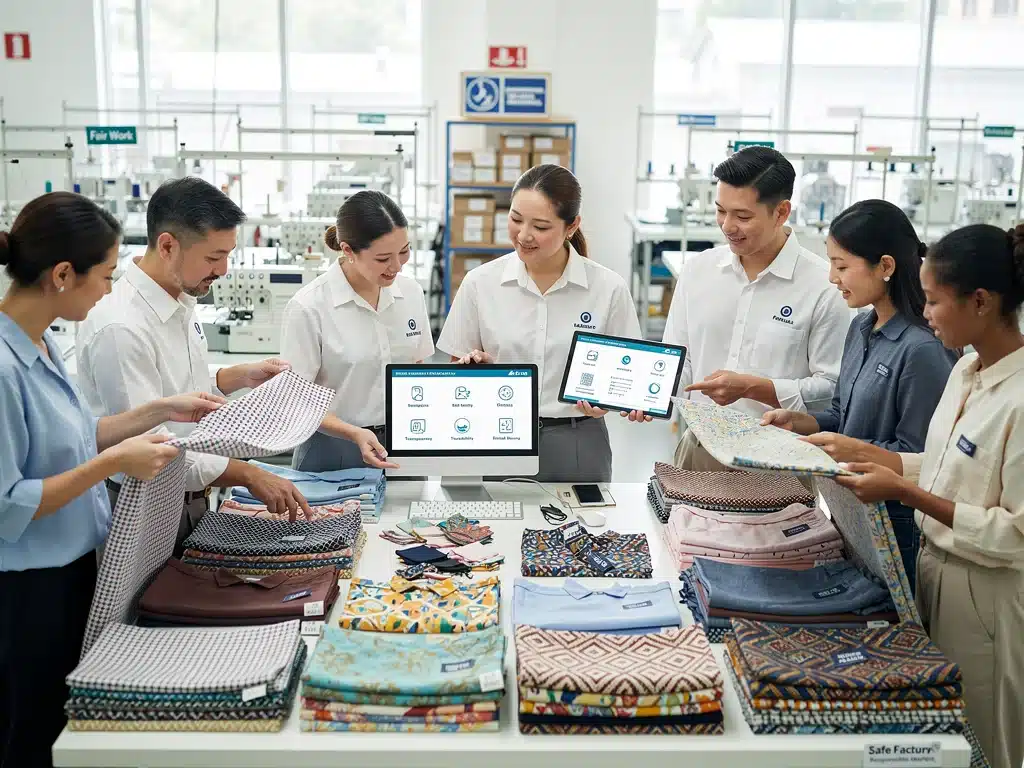
Today’s conscious shoppers are looking far beyond aesthetic appeal to inspect the human and environmental footprint of their wardrobes. Embracing ethical apparel sourcing is no longer just a niche trend—it has become the defining baseline for modern fashion integrity.
Strict global regulations, digital supply chain tracking, and verified fair-trade practices are replacing vague brand promises with total transparency.
By understanding factory working conditions and sustainable textile origin, you hold the power to demand genuine accountability from your favorite labels.
Advertisements
This guide breaks down the essential standards shaping fair clothing manufacturing today. Learn how to spot authentic green commitments, decode eco-labels, and make informed choices that align with your values.
The Shifting Landscape of Ethical Apparel Sourcing
The apparel industry is undergoing significant transformation, driven by consumer demand, regulatory pressures, and a growing awareness of environmental and social impacts.
Advertisements
Ethical sourcing is no longer a niche concern but a mainstream expectation, influencing brand reputation and purchasing decisions.
Brands are investing heavily in technologies and processes that enhance traceability and transparency across their global supply chains. This shift aims to provide consumers with verifiable information about how their clothes are made, from raw material to final product.
As we move into 2026, the focus intensifies on not just avoiding harm, but actively promoting positive social and environmental outcomes. This proactive approach is redefining what it means to be an ethically sourced brand.
Key Drivers for Change in 2026
Several factors are accelerating the push for ethical sourcing, including stringent new regulations in key markets and increased consumer scrutiny. Social media platforms amplify both positive and negative brand practices, making transparency paramount.
Technological advancements, such as blockchain and AI, are providing unprecedented tools for tracking and verifying supply chain data. These innovations offer a clearer picture of production processes, from fiber cultivation to garment assembly.
- Enhanced regulatory frameworks impacting global trade.
- Increased consumer activism and demand for transparency.
- Technological innovations for supply chain traceability.
- Growing investor interest in ESG (Environmental, Social, Governance) performance.
Understanding the Core Principles
Ethical sourcing in apparel encompasses fair labor practices, safe working conditions, and environmental stewardship throughout the production process. It aims to eliminate exploitation and minimize ecological harm.
This includes ensuring fair wages, reasonable working hours, and the absence of child or forced labor. Environmental considerations cover responsible resource management, pollution reduction, and sustainable material choices.
Ultimately, ethical sourcing is about respecting both people and the planet, ensuring that every step in the apparel supply chain adheres to high standards of social and environmental responsibility.
Unpacking Labor Practices and Worker Welfare
Fair labor practices are the cornerstone of ethical sourcing, addressing issues such as wages, working conditions, and workers’ rights. Consumers in 2026 are increasingly aware of the human cost behind their clothing.
Brands are under pressure to ensure that their factories, and those of their suppliers, adhere to international labor standards. This includes regular audits, worker interviews, and establishing grievance mechanisms.
The goal is to create environments where workers are treated with dignity and respect, free from exploitation and able to earn a living wage. This commitment extends beyond direct employees to the entire supply chain.
Combating Forced and Child Labor
The elimination of forced and child labor remains a critical challenge and a top priority for ethical sourcing initiatives. Global supply chains can be opaque, making vigilance essential to prevent these abuses.
Brands are implementing stricter vetting processes for suppliers and engaging in multi-stakeholder initiatives to monitor high-risk regions. Transparency in recruitment practices is also being emphasized to prevent debt bondage and other forms of coercion.
- Rigorous supplier audits and certifications.
- Collaboration with NGOs and labor rights organizations.
- Worker education programs on their rights.
- Public reporting on efforts to eradicate forced and child labor.
Ensuring Safe Working Conditions
Beyond fair wages, safe and healthy working conditions are non-negotiable for ethical apparel production. Factory safety, proper ventilation, and access to protective equipment are vital for worker well-being.
Tragedies like the Rana Plaza collapse continue to serve as stark reminders of the importance of robust safety protocols and independent oversight. Brands are investing in factory upgrades and training programs to prevent accidents and promote health.
Regular inspections and transparent reporting on safety records help build trust with consumers. These measures ensure that the people making our clothes are not put at undue risk.
Environmental Impact and Sustainable Materials
The environmental footprint of the apparel industry is substantial, from water consumption and chemical use to textile waste. Ethical sourcing in 2026 places a strong emphasis on mitigating these impacts.
Brands are exploring innovative materials, closed-loop production systems, and energy-efficient manufacturing processes. The aim is to create clothing that is not only ethically made but also environmentally responsible.
Consumers are looking for labels and certifications that indicate a commitment to sustainability, recognizing that the planet’s health is intrinsically linked to ethical production.

The Rise of Sustainable Fibers
The choice of raw materials significantly impacts the environmental footprint of apparel. Sustainable fibers, such as organic cotton, recycled polyester, and innovative bio-based materials, are gaining traction.
These materials often require less water, fewer pesticides, and generate less waste than conventional options. Consumers are becoming more discerning about fabric compositions and their origins.
- Increased use of certified organic cotton and hemp.
- Growth in recycled materials like rPET and regenerated nylon.
- Development of innovative bio-based and biodegradable fibers.
- Emphasis on materials with lower water and carbon footprints.
Water Conservation and Pollution Reduction
The apparel industry is notoriously water-intensive, particularly in cultivation and dyeing processes. Ethical sourcing initiatives are targeting significant reductions in water usage and wastewater discharge.
Advanced dyeing technologies, closed-loop water systems, and responsible chemical management are becoming standard practices for leading brands. These efforts aim to protect local water sources and ecosystems.
Consumers can look for brands that publicly report their water usage and demonstrate a commitment to reducing their hydrological impact. This transparency is key to holding brands accountable.
Transparency and Traceability in the Supply Chain
Transparency is paramount for consumers seeking to understand the ethical credentials of their clothing. In 2026, brands are expected to provide clear and accessible information about their supply chains.
This includes disclosing factory locations, audit results, and details about the origin of materials. The ability to trace a garment’s journey from raw material to retail shelf is becoming a competitive advantage.
Technology plays a crucial role in enabling this level of traceability, allowing consumers to verify claims and make truly informed decisions. This commitment to openness builds trust and empowers ethical purchasing.
Leveraging Technology for Supply Chain Visibility
Blockchain, RFID, and AI-powered platforms are revolutionizing supply chain transparency. These technologies allow brands to track products in real-time, authenticate origins, and monitor ethical compliance.
Consumers can access this data through QR codes on garments or dedicated brand websites, providing an unprecedented level of insight into production. This verifiable information combats greenwashing and ensures accountability.
- Blockchain for immutable supply chain records.
- RFID tags for real-time product tracking.
- AI and data analytics for risk assessment and compliance monitoring.
- Digital platforms for consumer access to product journey information.
The Role of Certifications and Labels
Certifications and labels provide an independent verification of ethical and sustainable practices, helping consumers navigate complex claims. Labels like Fair Trade, GOTS, and OEKO-TEX communicate adherence to specific standards.
While not all certifications are equal, they offer a valuable shortcut for identifying brands committed to ethical sourcing. Consumers should familiarize themselves with reputable certifications and understand what each one signifies.
However, it is crucial to look beyond the label and investigate the brand’s overall commitment to ethical practices. A single certification does not always tell the whole story of a brand’s impact.
Consumer Action: Making Informed Choices in 2026
As consumers, our purchasing decisions hold significant power in shaping the future of the apparel industry. Understanding ethical sourcing empowers us to support brands aligned with our values.
In 2026, making informed choices means actively seeking out information, questioning brand claims, and prioritizing transparency. Every purchase is a vote for the kind of fashion industry we want to see.
This involves more than just buying; it also includes caring for clothes to extend their lifespan, supporting repair and resale initiatives, and reducing overall consumption. Conscious consumption is a holistic approach.

Questions to Ask Before You Buy
Before making a purchase, consider asking critical questions about a brand’s ethical commitments. This due diligence helps distinguish genuine efforts from superficial marketing.
Inquire about their labor practices, environmental policies, and supply chain transparency. Many brands now provide detailed information on their websites, making this research more accessible.
- Does the brand disclose its factory locations?
- Are there certifications for fair labor or sustainable materials?
- What steps does the brand take to reduce its environmental impact?
- How transparent is their supply chain data?
Supporting Ethical Brands and Initiatives
Actively seeking out and supporting brands with a proven track record of ethical sourcing reinforces positive industry change. Look for brands that are members of initiatives like the Fair Labor Association or the Sustainable Apparel Coalition.
Beyond purchasing, engage with brands on social media, share information with friends and family, and advocate for stronger industry standards. Collective consumer power can drive significant shifts.
This collective effort helps to create a market where ethical practices are rewarded, and unethical ones are penalized. Your voice as a consumer is a powerful tool for change.
Challenges and Future Outlook for Ethical Sourcing
While significant progress has been made, challenges persist in achieving fully ethical apparel supply chains. These include complex global networks, varying regulatory environments, and the economic pressures of fast fashion.
Addressing these challenges requires ongoing collaboration between brands, governments, NGOs, and consumers. The path to a truly ethical industry is continuous and demands sustained effort from all stakeholders.
Looking ahead to 2026 and beyond, innovation in materials, production processes, and transparency tools will continue to evolve, offering new solutions for a more responsible fashion future.
Overcoming Supply Chain Complexity
The sheer complexity of global apparel supply chains, often involving multiple tiers of suppliers across different countries, makes complete oversight difficult. Each stage presents unique ethical and environmental risks.
Brands are investing in advanced mapping technologies and building direct relationships with lower-tier suppliers to gain better visibility. This granular understanding is crucial for identifying and addressing hidden issues.
- Mapping multi-tiered supply chains for full visibility.
- Building direct relationships with raw material suppliers.
- Implementing risk assessment tools for various production stages.
- Standardizing data collection across diverse supplier networks.
The Role of Policy and Regulation
Government policies and international regulations are increasingly playing a critical role in driving ethical sourcing. Legislation on supply chain due diligence and anti-forced labor acts compel brands to take greater responsibility.
These regulations create a more level playing field, ensuring that all companies operating in certain markets adhere to minimum ethical standards. International cooperation is vital for enforcing these policies effectively.
Consumers can advocate for stronger legislative frameworks that hold corporations accountable for their social and environmental impacts. Policy changes can accelerate the shift towards a more ethical industry.
| Key Aspect | Consumer Focus 2026 |
|---|---|
| Labor Practices | Fair wages, safe conditions, no forced/child labor. |
| Environmental Impact | Sustainable materials, water conservation, pollution reduction. |
| Supply Chain Transparency | Traceability, public disclosure, verified certifications. |
| Consumer Action | Informed choices, brand support, advocacy for stronger standards. |
Frequently Asked Questions About Ethical Apparel Sourcing
It means being aware of a brand’s commitment to fair labor practices, safe working conditions, and environmental responsibility throughout its supply chain. Consumers should look for transparency and verifiable claims about how clothes are made and their impact.
Look for detailed information on their website, specific certifications (e.g., Fair Trade, GOTS), and supply chain transparency reports. Brands utilizing technologies like blockchain for traceability often provide accessible data for consumers to review.
Key challenges include complex global supply chains with multiple tiers, varying international labor and environmental laws, and the persistent pressure for low-cost production. Combating hidden exploitation and ensuring consistent standards remain difficult.
Sustainable materials significantly reduce the environmental footprint of apparel, complementing fair labor practices. Using organic, recycled, or innovative bio-based fibers minimizes water usage, chemical pollution, and waste, aligning with broader ethical goals.
Every purchase supports brands that align with ethical values. By prioritizing transparent, certified, and responsible brands, consumers create market demand for ethical products, encouraging more companies to adopt sustainable and fair practices across their operations.
Looking Ahead
The landscape of ethical apparel sourcing is dynamic, with ongoing developments shaping consumer expectations and industry standards.
As 2026 unfolds, heightened regulatory scrutiny and advanced technological solutions will continue to push for greater transparency and accountability.
Consumers empowered with knowledge about understanding Ethical Sourcing in Apparel can drive meaningful change by making informed purchasing decisions and advocating for responsible practices.
The collective impact of conscious choices will be pivotal in fostering a more sustainable and ethical fashion future.
