
Advertisements
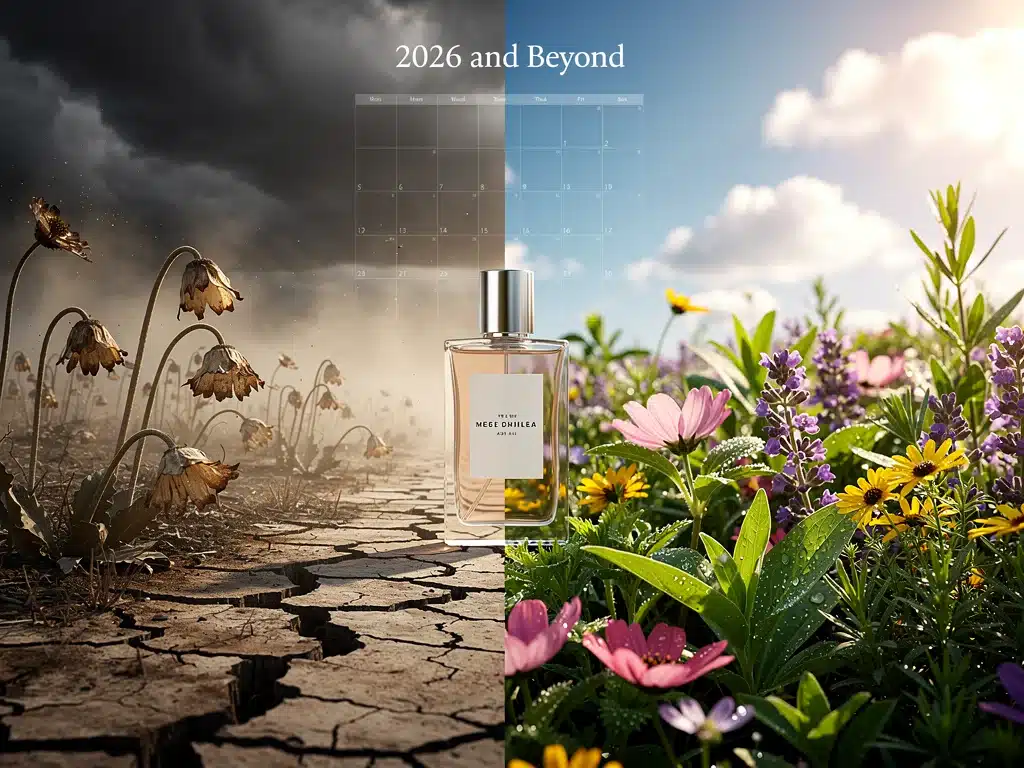
The shift in global weather patterns is silently reshaping the fragrance industry, forcing a massive transformation in how your perfumes are made. Understanding the impact of climate change on perfume ingredients is now essential for every conscious consumer in 2026.
Extreme heat waves, unpredictable droughts, and sudden storms are ravaging traditional crop yields worldwide. Prized botanical fields of jasmine in Egypt and heritage roses in Grasse are facing unprecedented environmental stress.
These ecological disruptions are directly altering the availability, cost, and overall olfactory profiles of the natural oils we love.
Advertisements
To protect their iconic blends, major fragrance houses are rapidly turning to biotechnology and lab-grown alternatives. As a buyer, navigating this changing market requires keeping a close eye on sourcing ethics and new industry transparency rules.
The future of luxury bottled scents depends entirely on how well the perfume world adapts to this changing planet.
Advertisements
Understanding the Shifting Landscape of Fragrance Sourcing
The global climate crisis is increasingly affecting the availability and quality of natural raw materials essential for perfumery. From rising temperatures to unpredictable weather patterns, these environmental shifts pose significant challenges to traditional sourcing methods.
Consumers are becoming more aware of the intricate supply chains behind their favorite scents and the ethical implications involved. This growing consciousness drives demand for transparency and sustainability within the fragrance industry.
As 2026 approaches, the perfume sector is adapting, with brands exploring new cultivation techniques, alternative ingredients, and more resilient supply networks. The conversation around climate change on perfume ingredients is no longer niche; it’s central to the future of fragrance.
Scarcity and Volatility of Key Natural Ingredients
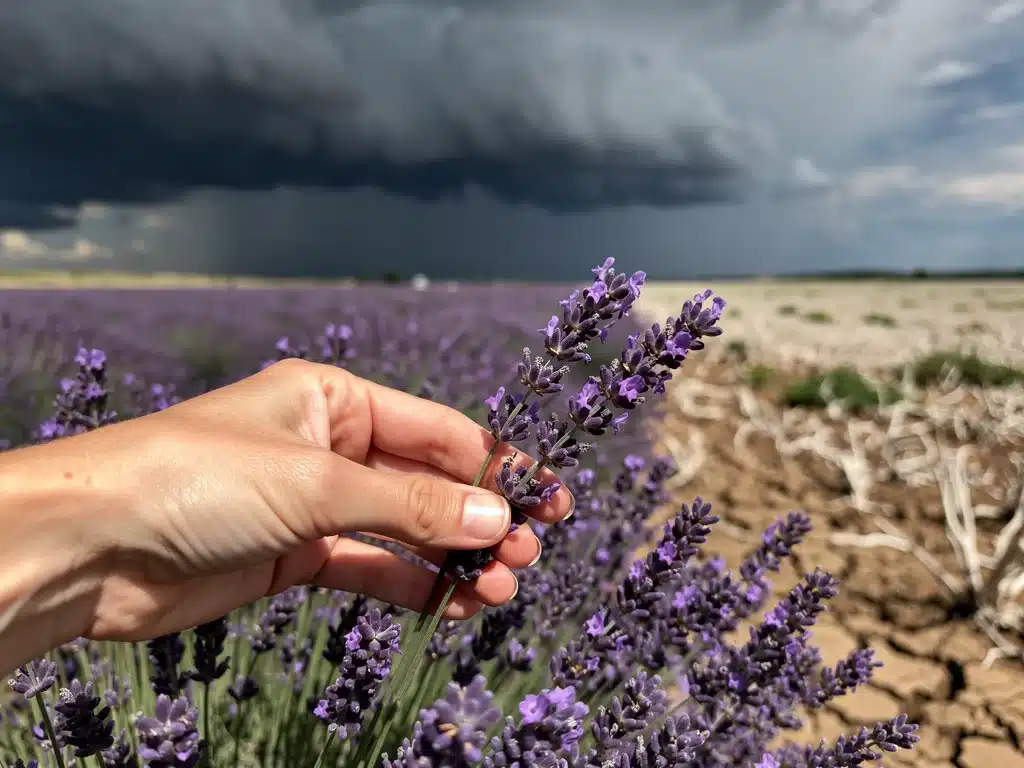
Many iconic natural perfume ingredients, such as jasmine, vanilla, sandalwood, and patchouli, are cultivated in regions highly susceptible to climate change. Droughts, floods, and extreme temperatures directly impact crop yields and quality.
This volatility leads to price fluctuations and inconsistent supply, forcing perfumers to re-evaluate their formulations and sourcing strategies. The long-term viability of relying solely on certain natural extracts is under intense scrutiny.
For consumers, this translates into potential changes in scent profiles, higher prices, or even the discontinuation of beloved fragrances. Understanding these pressures is key to comprehending the future of climate change on perfume ingredients.
The Case of Vanilla and Jasmine
Vanilla, primarily grown in Madagascar, faces constant threats from cyclones and changing rainfall patterns, which disrupt its delicate pollination process. This has historically led to dramatic price spikes and concerns over ethical labor practices in harvesting.
Jasmine, especially the highly prized varieties from Grasse, France, and India, requires specific climatic conditions for optimal bloom. Any deviation in temperature or humidity can drastically reduce flower production, affecting both volume and aromatic intensity.
These examples highlight how environmental shifts directly challenge the stability of two of perfumery’s most cherished and essential notes, impacting the entire fragrance value chain.
Sandalwood and Patchouli Under Pressure
- Sandalwood: Overharvesting and illegal logging, exacerbated by habitat loss due to changing climates, have severely depleted natural populations. Sustainable cultivation efforts are underway, but supply remains limited.
- Patchouli: Grown in tropical climates like Indonesia, patchouli is vulnerable to heavy rainfall and soil erosion. These conditions can degrade the essential oil’s quality and quantity, affecting its earthy, woody aroma.
- Rose and Tuberose: These delicate flowers require specific growing conditions, and extreme weather events can devastate harvests, leading to higher costs and ingredient scarcity for perfumers.
The Rise of Sustainable and Ethical Sourcing Practices
In response to environmental concerns and consumer demand, the fragrance industry is accelerating its adoption of sustainable and ethical sourcing initiatives. This includes direct trade partnerships, fair labor practices, and biodiversity conservation programs.
Brands are investing in traceable supply chains, ensuring that ingredients are harvested responsibly and that local communities benefit from their cultivation. This commitment reflects a broader industry shift towards environmental stewardship.
These practices not only mitigate the risks associated with climate change on perfume ingredients but also resonate with consumers seeking products aligned with their values. Transparency in sourcing is becoming a key differentiator in the market.
Fair Trade and Community Support
Many perfume houses are forging long-term partnerships with growers, providing fair wages and supporting local infrastructure. This stability encourages sustainable farming practices and helps communities adapt to climate challenges, ensuring future supply.
By investing in these communities, brands contribute to a more resilient supply chain, reducing reliance on vulnerable, large-scale monoculture. This approach fosters a symbiotic relationship between producers and perfumers, benefiting all stakeholders.
Such initiatives are crucial for safeguarding the future of precious natural resources and ensuring the equitable distribution of profits throughout the supply chain, a vital aspect of addressing climate change on perfume ingredients.
Innovation in Synthetic and Biotech Alternatives
As natural ingredients become more unpredictable, the role of synthetic and biotechnologically produced alternatives is expanding significantly. These innovations offer consistent quality, stable supply, and often a smaller environmental footprint.
Modern perfumery extensively utilizes synthetics to create unique accords and enhance natural notes, allowing for greater creative freedom and sustainability. Advancements in green chemistry are making these alternatives even more appealing.
For consumers, this means a wider array of fragrances, potentially at more accessible price points, without compromising on ethical or environmental concerns. The evolution of climate change on perfume ingredients includes these scientific breakthroughs.
Green Chemistry and Bio-Engineered Scents
Green chemistry principles are guiding the development of new aroma molecules, focusing on renewable resources and minimizing waste. This reduces the environmental impact associated with traditional chemical synthesis processes.
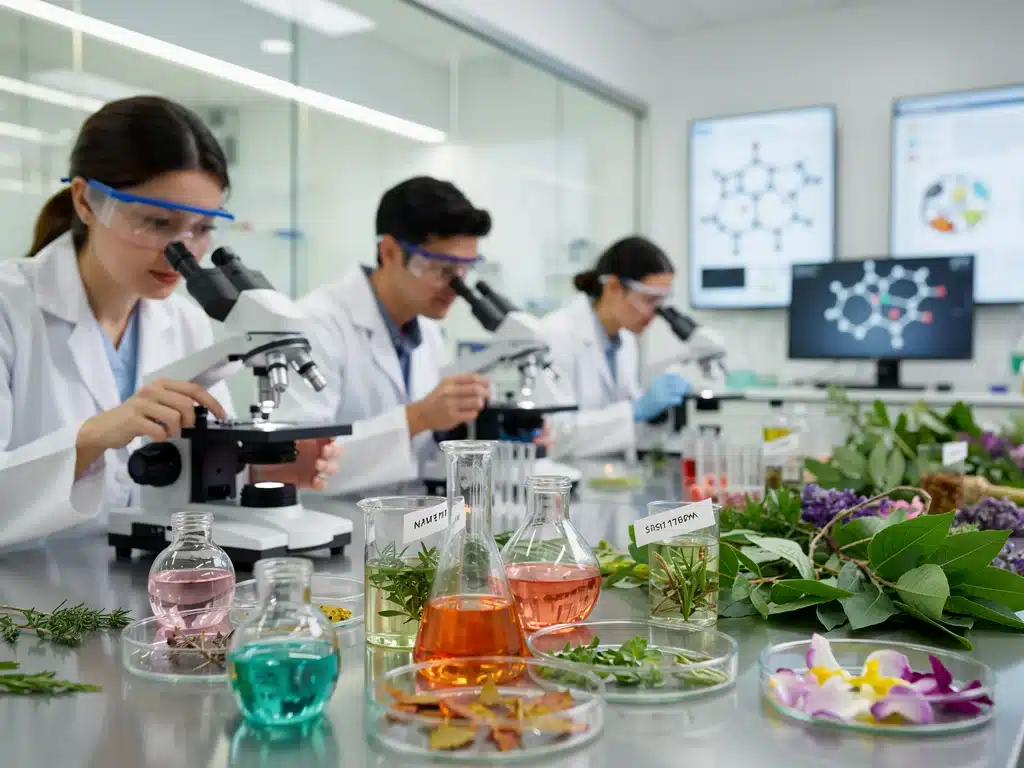
Bio-engineering allows for the creation of nature-identical molecules through fermentation, offering sustainable alternatives to rare or endangered natural extracts. This technology can replicate complex scent profiles without stressing natural ecosystems.
These technological advancements provide viable solutions to the challenges posed by fluctuating natural harvests, ensuring the perfume industry can continue to innovate and thrive despite environmental pressures.
The Impact on Fragrance Formulations and Creativity
The shifting landscape of ingredient availability and sustainability is pushing perfumers to innovate in their formulations. This often means exploring new combinations, embracing novel synthetics, and rediscovering less-common natural extracts.
Creativity in perfumery is not diminished but rather re-directed, leading to exciting new scent profiles and olfactive experiences. This era of change encourages a more conscious and resourceful approach to fragrance creation.
Consumers can anticipate a dynamic market filled with innovative fragrances that reflect both environmental awareness and artistic ingenuity. The discussion around climate change on perfume ingredients is fostering a new wave of creativity.
Adapting Classic Scents for a New Era
Iconic fragrances may undergo subtle reformulations to incorporate more sustainable ingredients or adapt to supply chain realities. Brands are transparently communicating these changes, maintaining the essence of their beloved creations while embracing modern ethics.
This adaptation process is a testament to the industry’s commitment to longevity and relevance in a rapidly changing world. It ensures that cherished scents can continue to be enjoyed by future generations, despite the challenges of climate change on perfume ingredients.
The goal is to preserve the integrity of a fragrance’s identity while integrating more environmentally responsible components, a delicate balance that perfumers are skillfully navigating.
Consumer Awareness and Conscious Choices for 2026
By 2026, consumers will play a critical role in shaping the future of the perfume industry through their purchasing decisions. Informed choices about sustainable and ethically sourced fragrances will drive market trends and encourage responsible brand behavior.
Look for certifications, transparent ingredient lists, and brand narratives that highlight their commitment to environmental and social responsibility. Supporting brands with robust sustainability programs contributes to a healthier industry.
Understanding the implications of climate change on perfume ingredients empowers consumers to make choices that align with their personal values and contribute to a more sustainable future for fragrance.
Identifying Sustainable Fragrances
- Certifications: Look for recognized certifications like Fair Trade, Ecocert, or Rainforest Alliance, indicating responsible sourcing and production.
- Ingredient Transparency: Brands that clearly list their ingredients and their origins demonstrate a commitment to openness and ethical practices.
- Brand Story: Research a brand’s mission and sustainability reports to understand their efforts in mitigating the impact of climate change on perfume ingredients.
Regulatory Landscape and Industry Standards
Governments and international bodies are increasingly implementing regulations aimed at promoting sustainable practices and protecting biodiversity. These regulations influence how perfume ingredients are sourced, processed, and marketed.
Industry associations are also establishing new standards for environmental performance, ethical sourcing, and ingredient transparency. These guidelines provide a framework for brands to operate responsibly and meet evolving consumer expectations.
The regulatory landscape is constantly evolving, requiring continuous adaptation from fragrance manufacturers and suppliers. This structured approach helps address the challenges posed by climate change on perfume ingredients on a global scale.
International Agreements and Local Policies
International agreements, such as the Convention on Biological Diversity, influence the protection of plant species used in perfumery. Local policies on land use and agriculture also directly impact ingredient cultivation.
These regulations aim to prevent overexploitation, promote sustainable farming, and ensure equitable benefit-sharing with local communities. Compliance is becoming a non-negotiable aspect of responsible sourcing.
The interplay between global agreements and national legislation creates a complex but essential framework for managing the environmental impact of the fragrance industry.
Future Outlook: Resilience and Adaptation in Perfumery
The perfume industry is demonstrating remarkable resilience and adaptability in the face of climate change challenges. Through innovation, collaboration, and a commitment to sustainability, it is charting a course towards a more responsible future.
The focus will remain on diversification of sourcing, continued research into sustainable alternatives, and fostering stronger relationships with cultivating communities. These efforts are crucial for long-term viability.
As we look towards 2026 and beyond, the evolution of climate change on perfume ingredients will continue to be a defining narrative, influencing everything from product development to consumer engagement.
| Key Point | Brief Description |
|---|---|
| Ingredient Scarcity | Climate change impacts crop yields of natural perfume ingredients. |
| Sustainable Sourcing | Industry shifts towards ethical, traceable, and community-focused practices. |
| Synthetic Alternatives | Innovation in biotech and green chemistry offers stable, eco-friendly options. |
| Consumer Role | Informed choices drive demand for transparent and sustainable fragrances. |
Frequently Asked Questions About Perfume Ingredients and Climate Change
Climate change impacts natural perfume ingredients through altered weather patterns like droughts, floods, and extreme temperatures. These conditions directly reduce crop yields, affect plant quality, and introduce volatility into the supply chain, making specific essences scarcer and more expensive for perfumers globally.
Brands are investing in sustainable sourcing, fair trade partnerships, and biodiversity conservation to secure ingredient supplies. They are also increasingly turning to innovative synthetic and biotechnologically produced alternatives, which offer consistent quality and a more stable, often greener, supply chain.
Some classic fragrances may undergo subtle reformulations to adapt to ingredient availability and sustainability demands. Brands aim to maintain the original scent profile while incorporating more responsible components. Consumers might notice slight variations or a shift towards new, innovative scent creations that reflect these evolving challenges.
Consumers can make sustainable choices by seeking brands with transparent sourcing, ethical certifications, and clear commitments to environmental responsibility. Researching a brand’s sustainability reports and understanding their efforts regarding climate change on perfume ingredients helps in making informed and conscious purchasing decisions that align with personal values.
Synthetic ingredients, especially those developed through green chemistry and biotechnology, play a crucial role in sustainable perfumery. They offer consistent quality, reduce reliance on vulnerable natural resources, and often have a smaller environmental footprint, providing stable and eco-friendly alternatives to rare or climate-sensitive natural extracts.
Looking Ahead: The Evolving Fragrance Landscape
The discussion around climate change on perfume ingredients highlights a critical juncture for the fragrance industry. It underscores the urgent need for innovation, ethical responsibility, and a deeper understanding of global environmental shifts.
Consumers seeking to make informed choices by 2026 should remain vigilant, supporting brands that prioritize transparency and sustainable practices. The future of fragrance will undoubtedly be shaped by these ongoing developments, leading to a more conscious and resilient industry.
