Decoding Apparel Care Labels: Extend Your Clothes’ Lifespan by Up to 3 Years with These Insider Tips
Advertisements
Ever felt like your favorite sweater shrunk into a doll’s outfit after just one wash? Master the art of decoding apparel care labels to stop the laundry-day heartbreak and keep your style staples looking brand new for years.
Those tiny symbols are more than just itchy fabric tags, they are a secret language for garment longevity. By accurately translating these maintenance icons, you can protect delicate fibers and prevent the premature wear that sends most clothes to the landfill.
Stop guessing your way through the wash cycle and start treating your wardrobe like an investment. This guide offers expert-level laundry insights to help you slash textile waste while saving your wallet from constant replacements.
Advertisements
The Unseen Language of Your Wardrobe: Why Care Labels Matter
Every piece of clothing comes with a story, and its care label is a vital chapter. These small tags, often overlooked, contain critical information from manufacturers designed to guide you in preserving the fabric’s integrity and appearance.
Ignoring these directives can lead to irreversible damage, such as shrinking, fading, or stretching, significantly shortening a garment’s life. Understanding and applying the wisdom embedded in these labels is the first step towards a more sustainable and cost-effective wardrobe.
Advertisements
The global textile industry generates substantial waste, much of which stems from improper garment care. By actively engaging with and comprehending apparel care labels, consumers play a direct role in mitigating this environmental burden, making a tangible difference.
Understanding the Universal Symbols
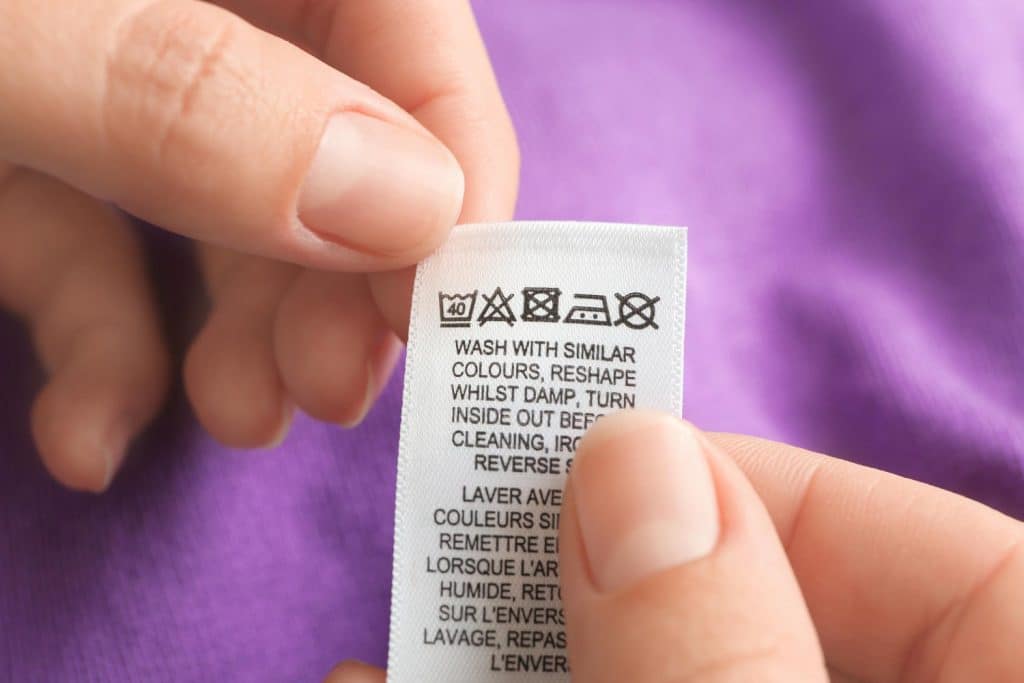
Care labels typically feature a standardized set of symbols, universally recognized across different countries and brands. These symbols represent various care instructions, including washing, bleaching, drying, ironing, and professional cleaning methods.
Mastering these symbols is like learning a new language, one that speaks directly to the needs of your clothes. Each icon provides a specific directive, ensuring that you apply the correct treatment to maintain the garment’s original condition.
The International Organization for Standardization (ISO) and various regional bodies have worked to harmonize these symbols, making it easier for consumers worldwide to care for their clothing properly, regardless of where it was manufactured.
- Wash Tub Symbol: Indicates washing instructions, including temperature and cycle type.
- Triangle Symbol: Pertains to bleaching instructions, specifying if bleach can be used and what type.
- Square Symbol: Provides guidance for drying methods, such as tumble drying or line drying.
- Iron Symbol: Dictates acceptable ironing temperatures and whether ironing is permitted.
Deciphering Washing Instructions: A Foundation for Longevity
The washing cycle is often the most impactful stage of garment care, and understanding the specific instructions on apparel care labels is crucial. Incorrect washing temperatures or cycles can cause significant damage, leading to premature wear and tear.
For instance, a delicate silk blouse requires a gentle hand wash or a specific machine cycle, while a sturdy pair of denim jeans can withstand more vigorous treatment. Adhering to these nuances ensures that each item receives the appropriate level of care, protecting its fibers and dyes.
Many modern washing machines offer a variety of cycles designed to match common care label instructions, from ‘delicate’ to ‘heavy duty’. Utilizing these settings correctly, guided by the apparel care labels, can dramatically improve your clothes’ lifespan.
Temperature and Cycle Specifics
The number inside the wash tub symbol typically indicates the maximum washing temperature in Celsius, while dots can also represent temperature ranges. A single line beneath the tub signifies a permanent press cycle, and two lines denote a delicate or gentle cycle.
Over-washing or using excessively hot water can degrade fabrics, causing colors to fade and materials to weaken. Conversely, not washing at the recommended temperature might fail to remove dirt and oils effectively, leading to grime buildup.
Always check the apparel care labels before loading your machine. This simple habit can prevent common laundry mishaps and ensure your garments emerge clean and intact, ready for their next wear.
Bleaching and Drying: Protecting Fabric Integrity
Bleaching and drying, while seemingly straightforward, are critical steps that demand attention to apparel care labels. Misusing bleach or employing an inappropriate drying method can severely compromise a garment’s structure and color.
The triangle symbol on the care label is your guide for bleaching. An empty triangle means any bleach can be used, while a triangle with two diagonal lines indicates only non-chlorine bleach is safe. A crossed-out triangle means no bleaching whatsoever.
Similarly, drying instructions, represented by the square symbol, offer various methods to prevent shrinking, stretching, or heat damage. Understanding these symbols is key to maintaining your clothes’ original shape and size.
Navigating Drying Symbols
A square with a circle inside indicates tumble drying, with dots representing heat levels (one dot for low heat, three for high). A crossed-out tumble dry symbol means machine drying is not recommended, urging line or flat drying instead.
Line drying, often indicated by a square with a curved line, or flat drying, shown by a square with a horizontal line, are gentler alternatives that can extend the life of delicate fabrics.
These methods minimize exposure to high heat, which can be particularly damaging to synthetics and fine natural fibers.
Always consider the fabric type and the specific instructions on the apparel care labels. For instance, wool garments often require flat drying to prevent stretching, while silks benefit from line drying away from direct sunlight.
Ironing and Professional Care: The Finishing Touches
Ironing and professional cleaning instructions on apparel care labels ensure that garments retain their pristine appearance and texture.
Improper ironing can scorch fabrics or create permanent creases, while neglecting professional care for certain items can lead to irreparable damage.
The iron symbol, often accompanied by dots, specifies the appropriate temperature setting. One dot signifies low heat, suitable for delicate fabrics like silk, while three dots indicate high heat for sturdier materials such as linen and cotton.
For garments requiring specialized treatment, the circle symbol provides guidance for professional dry cleaning. Understanding these nuances is essential for maintaining the aesthetic and structural integrity of your clothes over time.
Understanding Ironing and Dry Cleaning Directives
A crossed-out iron symbol means the garment should not be ironed, often due to delicate embellishments or heat-sensitive materials. Always test a small, inconspicuous area first if you are unsure about the fabric’s reaction to heat.
The circle symbol for dry cleaning can have various letters inside, indicating specific solvents or processes a professional cleaner should use. A crossed-out circle means dry cleaning is not recommended, typically for items that can be safely washed at home.
Entrusting delicate or complex garments to professional cleaners who understand these apparel care labels can be a worthwhile investment. Their expertise ensures that specialized fabrics receive the correct treatment, extending their lifespan and preserving their quality.
Beyond the Symbols: Fabric Composition and Its Impact
While symbols provide concise instructions, understanding the fabric composition listed on the apparel care labels offers deeper insight into why certain care methods are recommended.
Different fibers react uniquely to heat, water, and chemicals, influencing their durability and appearance.
Natural fibers like cotton and linen are generally robust but can shrink with high heat, while wool requires gentle handling to prevent felting. Synthetic fibers such as polyester and nylon are often more resistant to wrinkles and shrinking but can be sensitive to high ironing temperatures.
Knowing the fiber content allows you to anticipate how a garment will behave during washing and drying, empowering you to make more informed care decisions even if a symbol is unclear or missing. This knowledge is key to truly decoding apparel care labels.
Tailoring Care to Fabric Type
For example, a blend of cotton and spandex will require different care than 100% cotton, as spandex can degrade with excessive heat. Always prioritize the instructions for the most delicate fiber in a blend to avoid damage.
Silk and rayon, both delicate fibers, often require hand washing or dry cleaning to maintain their luster and drape. Ignoring these specific needs, even with seemingly benign washing methods, can lead to irreversible damage.
By integrating knowledge of fabric composition with the directives on apparel care labels, you develop a comprehensive approach to garment maintenance. This holistic understanding safeguards your clothing and maximizes its longevity.
Common Care Label Mistakes and How to Avoid Them
Even with good intentions, common mistakes in interpreting apparel care labels can shorten the life of your clothes. Overloading the washing machine, using too much detergent, or ignoring ‘do not tumble dry’ warnings are frequent culprits.
One prevalent error is washing all garments together on a standard cycle without sorting by color, fabric type, or care requirements. This can lead to color bleeding, fabric damage, and uneven cleaning, undermining the effort to preserve clothes.
Another common oversight is neglecting to check pockets before washing, which can damage both the garment and the washing machine. A quick check of the apparel care labels and pockets can prevent many laundry-day headaches.
Preventing Damage and Preserving Quality
Always sort your laundry meticulously. Separate whites from colors, delicates from sturdy items, and heavily soiled items from lightly soiled ones. This simple step, guided by apparel care labels, significantly reduces the risk of damage.
Using the correct amount of detergent is also vital. Too much can leave residue on clothes, while too little may not clean effectively. Follow the detergent manufacturer’s recommendations and adjust based on load size and soil level.
Finally, pay close attention to drying instructions. Tumble drying on high heat is a major cause of shrinking and fabric degradation. Opt for lower heat settings or air drying when recommended by the apparel care labels to extend garment life.
Extending Your Clothes’ Lifespan: Practical Insider Tips
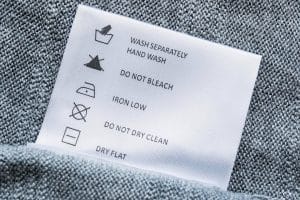
Beyond simply following the instructions on apparel care labels, adopting a few insider tips can significantly extend the lifespan of your clothing. These practices go beyond basic washing and drying, focusing on preventive measures and smart maintenance.
Consider investing in mesh laundry bags for delicate items like lingerie, sweaters, or embellished garments. These bags protect items from snagging, stretching, and tangling during machine washing, adding an extra layer of care.
Furthermore, promptly addressing stains is crucial. The longer a stain sits, the harder it is to remove, often requiring harsher treatments that can damage fabric. Early intervention, guided by the garment’s care instructions, can save many items.
Strategic Care for Maximum Longevity
Rotate your wardrobe regularly to reduce wear and tear on individual items. Giving clothes a break between wears allows fibers to rest and recover, preventing premature stretching or weakening, especially for frequently used items.
Store clothes properly. Use appropriate hangers for different garments (padded for knits, sturdy for coats) and fold items that might stretch on hangers. Proper storage prevents wrinkles, maintains shape, and keeps clothes fresh, reducing the need for frequent washing.
Lastly, learn basic mending skills. A small tear or loose button can quickly escalate if ignored. Simple repairs can save a garment from being discarded, embodying the true spirit of extending your clothes’ lifespan and making the most of your apparel care labels knowledge.
The Economic and Environmental Benefits of Proper Care
Adhering to apparel care labels offers significant economic advantages by reducing the frequency of clothing replacement. When garments last longer, consumers spend less money on new purchases, allowing for greater savings or investment in higher-quality items.
From an environmental perspective, extending the lifespan of clothing directly combats textile waste, a growing global concern. Each year, tons of clothing end up in landfills, contributing to pollution and resource depletion. Proper care lessens this impact.
Moreover, reducing the demand for new clothes also decreases the environmental footprint associated with manufacturing, transportation, and disposal. This holistic approach makes decoding apparel care labels a powerful tool for both personal finance and planetary health.
A Sustainable Wardrobe Starts Here
The true cost of a garment isn’t just its purchase price; it includes its entire lifecycle, from production to disposal. By maximizing a garment’s wear life through diligent care, you reduce its per-wear cost and its environmental toll.
Embracing practices like cold water washing, air drying, and minimal ironing, all often indicated by apparel care labels, conserves energy. These small adjustments collectively lead to substantial reductions in household utility bills and carbon emissions.
Ultimately, a conscious approach to clothing care, informed by a thorough understanding of apparel care labels, contributes to a more sustainable lifestyle. It fosters appreciation for quality, encourages mindful consumption, and supports a healthier planet for future generations.
Innovations in Care Labels and Future Trends
The world of apparel care labels is not static; it continues to evolve with technological advancements and shifting consumer demands. Innovations are emerging to make care instructions even more accessible and effective, enhancing the user experience.
Digital care labels, accessible via QR codes or NFC tags, are gaining traction, offering detailed, interactive information beyond what static symbols can convey. These digital platforms can provide video tutorials, personalized tips, and even connect consumers with local repair services.
Such advancements promise to make decoding apparel care labels an even more intuitive process, fostering greater engagement and ensuring garments receive optimal treatment throughout their lifecycle. This represents a significant leap forward in sustainable fashion practices.
The Future of Garment Care
Smart textiles and wearable technology are also influencing care label design. Some garments now feature embedded sensors that can monitor their own cleanliness and recommend specific washing cycles, taking the guesswork out of garment care.
Furthermore, there’s a growing movement towards simplified care labels, with brands offering more explicit written instructions alongside symbols to cater to diverse audiences. This dual approach ensures clarity and reduces ambiguity for consumers.
These future trends highlight a collective effort to empower consumers with better tools and information for garment longevity. As technology progresses, the act of decoding apparel care labels will become even more streamlined, benefiting both consumers and the environment.
| Key Point | Brief Description |
|---|---|
| Symbol Mastery | Learn universal care symbols for washing, drying, and ironing. |
| Fabric Knowledge | Understand how fabric composition affects care requirements. |
| Preventive Care | Implement tips like sorting, stain removal, and proper storage. |
| Sustainable Impact | Extend garment life to save money and reduce environmental waste. |
Frequently Asked Questions About Apparel Care Labels
The most common symbols are the wash tub (washing), triangle (bleaching), square (drying), and iron (ironing). A circle indicates dry cleaning. Understanding these five basic symbols is crucial for correctly interpreting most apparel care labels and ensuring proper garment maintenance.
While jeans are durable, ignoring their apparel care labels can still lead to premature fading, shrinking, or damage to embellishments. Adhering to the recommended washing temperature and drying method, even for robust items, helps preserve their color and fit over time, extending their lifespan.
Washing a ‘dry clean only’ item can cause significant damage, such as shrinking, stretching, color bleeding, or loss of shape. Fabrics like silk, wool, and rayon are particularly susceptible. Always follow the apparel care labels for specialized items to avoid irreparable harm and preserve their quality.
Yes, digital apparel care labels, often accessed via QR codes or NFC tags, are an emerging trend. They offer more detailed information, personalized tips, and interactive content beyond traditional symbols. This innovation aims to make garment care more accessible and efficient, supporting longer clothing lifespans.
By guiding proper garment care, apparel care labels help extend clothing lifespans, reducing textile waste in landfills. They also encourage practices like cold water washing and air drying, which conserve energy and lower a garment’s environmental footprint, fostering more sustainable consumption habits.
Looking Ahead: A Mindful Approach to Your Wardrobe
The insights gained from truly decoding apparel care labels underscore a broader shift towards mindful consumption and sustainable living. This isn’t just about laundry; it’s about valuing our resources and making conscious choices.
As consumers, our actions directly influence the lifecycle of our garments and, by extension, the environmental impact of the fashion industry.
Embracing the directives provided by apparel care labels is a simple yet powerful step in this direction, fostering a more responsible relationship with our clothes.
The ongoing evolution of care labeling, coupled with a growing awareness of textile waste, suggests a future where garment longevity is prioritized.
This collective effort, from manufacturers to individual consumers, promises a more sustainable and economically sound approach to fashion for all.
