
Advertisements
Your favorite pair of boots shouldn’t have an expiration date just because the tread is wearing thin. This 2026 Footwear Resoling Guide reveals how mastering the art of cobbling can slash your annual shoe expenses by 40% while keeping high-quality leather out of landfills.
Modern shoe restoration isn’t just about repairs; it’s a strategic financial pivot toward sustainability. By prioritizing professional sole replacement, you transform well-worn favorites into refreshed assets that outperform cheap, disposable alternatives in both comfort and longevity.
As economic pressures rise, extending your wardrobe’s lifespan has become the ultimate “quiet luxury” hack. Explore these expert maintenance techniques to ensure your investment pieces remain trail-ready and office-polished for years to come.
Advertisements
The Economic Imperative of Resoling in 2026
In 2026, economic pressures continue to drive consumers toward more cost-effective solutions for everyday needs, and footwear is no exception. Resoling presents a compelling alternative to constantly purchasing new shoes, offering significant savings over time.
Industry analysts project that the average consumer can save up to 40% annually on shoe purchases by incorporating resoling into their footwear maintenance routine.
This percentage represents a substantial financial relief for many households, freeing up funds for other essential expenditures.
Advertisements
The financial argument for resoling is stronger than ever, with rising material costs and inflation impacting the price of new shoes. Embracing resoling is a practical step towards financial resilience and smart budgeting in the current economic landscape.
Understanding the Cost-Benefit Analysis
Resoling typically costs a fraction of buying a new pair of quality shoes, especially for high-end or specialized footwear. This initial outlay is quickly recouped through extended shoe life, making it a sound investment.
Consider a pair of high-quality leather boots that might cost $300-$500 new; resoling them for $80-$150 can easily add several years to their lifespan. This dramatically reduces the per-wear cost and postpones the need for a full replacement.
- Initial resoling cost is significantly lower than new shoe price.
- Extends shoe lifespan by years, not months.
- Reduces overall footwear expenditure over time.
- Preserves the comfort and fit of broken-in shoes.
The 2026 footwear resoling guide delves into specific examples and provides tools for consumers to calculate their potential savings. It highlights how different types of shoes benefit from resoling, from dress shoes to hiking boots.
Environmental Impact and Sustainable Footwear Choices
Beyond financial savings, the environmental benefits of resoling footwear are increasingly recognized as crucial. Reducing waste and extending product life are core tenets of sustainable consumption, directly addressed by the 2026 footwear resoling guide.
The fashion industry, including footwear, is a significant contributor to landfill waste and carbon emissions. By choosing to resole rather than replace, consumers actively participate in a circular economy, lessening their ecological footprint.
This shift towards mindful consumption aligns with broader global efforts to combat climate change and promote sustainable practices. Resoling is a tangible way individuals can make a difference, one pair of shoes at a time.
Reducing Waste and Resource Consumption
Every pair of shoes resoled means one less pair ending up in a landfill, often prematurely. This reduces the demand for new raw materials, energy for manufacturing, and transportation emissions associated with new production.
Manufacturing new shoes requires considerable resources, including water, petroleum-based materials, and various chemicals. Resoling bypasses much of this intensive process, making it an inherently greener option.
- Decreases landfill waste from discarded footwear.
- Lowers demand for new raw materials and manufacturing energy.
- Reduces carbon footprint associated with shoe production and transport.
- Promotes a circular economy model for consumer goods.
The 2026 footwear resoling guide emphasizes the collective impact of these individual choices. It provides insights into how the resoling industry is evolving to use more sustainable materials and processes.
Key Techniques and Materials in 2026 Shoe Resoling
The effectiveness and longevity of a resole depend heavily on the techniques employed and the quality of materials used. The 2026 footwear resoling guide provides an in-depth look at what consumers should expect from professional cobblers.
Advancements in adhesive technologies and sole materials have made resoling more durable and versatile than ever before. Understanding these elements empowers consumers to make informed decisions when entrusting their shoes to a repair shop.
From traditional leather soles to modern rubber compounds designed for specific performance needs, the options for resoling are diverse. The guide educates on which materials are best suited for different shoe types and intended uses.
A well-executed resole can not only restore a shoe but often improve its original performance and comfort. This is particularly true for specialized footwear like hiking boots or formal dress shoes.
Choosing the Right Sole Material
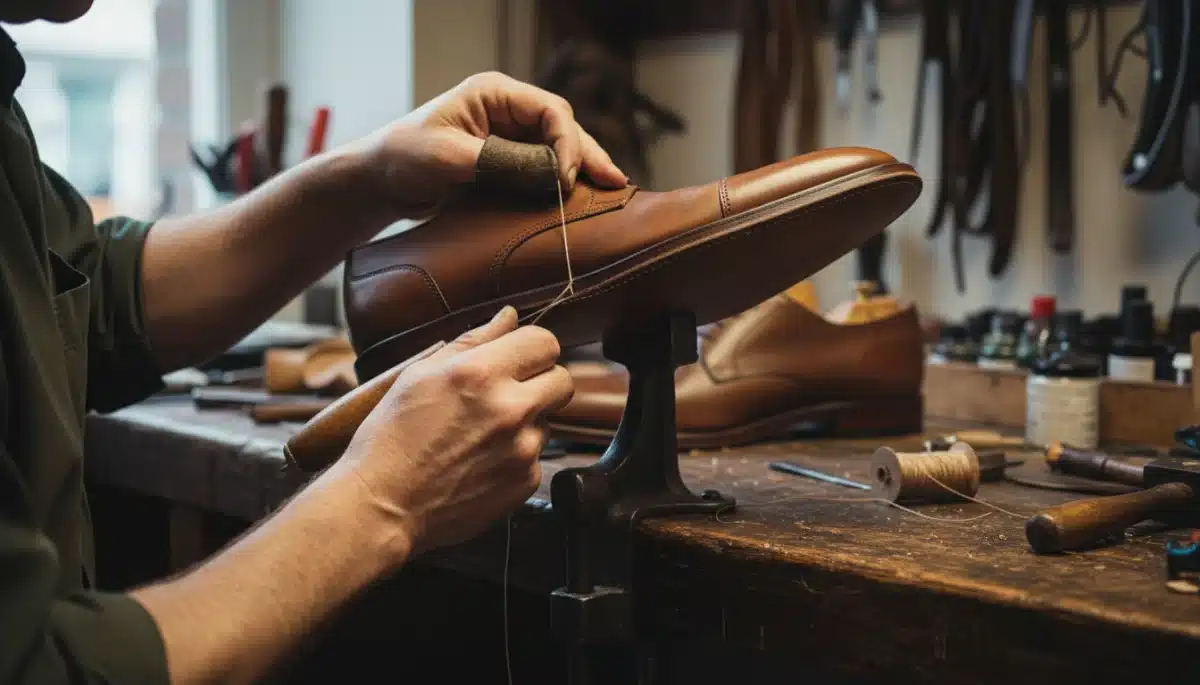
For dress shoes, traditional leather soles remain a popular choice, offering breathability and a classic aesthetic. However, rubber options provide superior grip and water resistance, making them practical for various weather conditions.
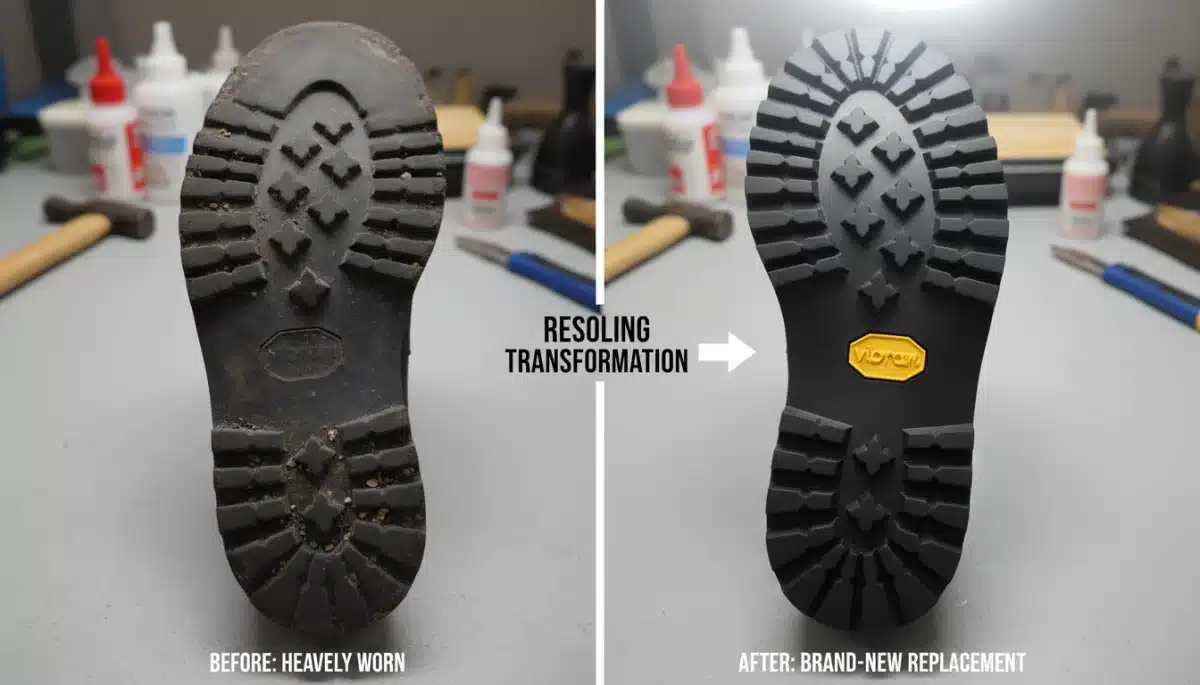
Hiking boots and work shoes often benefit from durable rubber compounds like Vibram, known for their excellent traction and longevity. The choice of material should align with the shoe’s original purpose and the wearer’s lifestyle.
- Leather soles: classic, breathable, suitable for dress shoes.
- Rubber soles: durable, water-resistant, excellent grip, versatile.
- Vibram soles: high performance, ideal for hiking and work boots.
- Crepe soles: soft, comfortable, often found on casual and desert boots.
The 2026 footwear resoling guide details the pros and cons of each material, helping consumers select the best option for their specific needs. It also discusses the importance of matching the sole type to the shoe’s construction.
Finding a Reputable Cobbler in 2026
The success of resoling hinges on the skill and experience of the cobbler. In 2026, finding a reputable shoe repair professional requires a combination of online research, local recommendations, and knowing what questions to ask.
A good cobbler not only possesses technical expertise but also understands the nuances of various shoe constructions and materials. They should be able to advise clients on the best resoling options for their specific footwear.
The 2026 footwear resoling guide provides a checklist for evaluating cobblers, ensuring consumers receive high-quality service. It emphasizes communication and transparency as key indicators of a trustworthy professional.
Questions to Ask Your Cobbler
Before committing to a repair, inquire about the types of sole materials they stock and their recommended options for your specific shoes. Ask about their experience with similar shoe brands or styles.
Clarify the estimated turnaround time and the warranty or guarantee offered on their work. A reputable cobbler will be transparent about their process and stand behind the quality of their repairs.
- What sole materials do you recommend for my shoes?
- What is your experience with this type of footwear?
- What is the estimated cost and turnaround time?
- Do you offer any guarantee on your resoling work?
The guide also suggests checking online reviews and local community forums for recommendations. Personal referrals often lead to the most reliable and skilled cobblers available in your area, crucial for maximizing the benefits of the 2026 footwear resoling guide.
DIY Resoling vs. Professional Services
While the allure of DIY projects is strong, resoling shoes is a craft that typically requires specialized tools, materials, and significant expertise. The 2026 footwear resoling guide strongly advises against DIY resoling for most consumers.
Improper resoling can not only compromise the shoe’s integrity but also lead to discomfort, damage, and ultimately, a shorter lifespan. The cost of correcting a botched DIY job often outweighs the initial savings.
Professional cobblers have access to industrial-grade adhesives, specialized machinery, and years of hands-on experience, ensuring a durable and aesthetically pleasing repair. This expertise is a key component of the 2026 footwear resoling guide‘s recommendations.
When to Consider Professional Help
For any shoe that holds significant value, whether monetary or sentimental, professional resoling is the only advisable option. This includes high-quality leather shoes, specialized athletic footwear, and designer brands.
Even for more casual shoes, if the original sole is complex or requires specific stitching techniques, a professional will achieve a far superior and longer-lasting result. They understand the intricacies of shoe construction.
- Valuable or high-quality footwear.
- Complex sole designs or construction.
- Desire for a durable and aesthetically pleasing repair.
- Lack of specialized tools and materials for DIY.
The 2026 footwear resoling guide emphasizes that while minor repairs like gluing a detached sole might be attempted at home, full resoling is best left to the experts. This ensures the 40% annual savings are actually realized.
Extending Shoe Life Beyond Resoling
Resoling is a powerful tool in extending footwear life, but it’s part of a broader strategy for shoe care. The 2026 footwear resoling guide also touches upon daily maintenance and preventative measures that complement resoling efforts.
Proper cleaning, conditioning, and storage can significantly delay the need for resoling and other major repairs. These habits contribute to the overall longevity and appearance of your shoes.
Integrating these practices into your routine maximizes the return on investment from both your initial shoe purchase and any subsequent resoling. It’s about a holistic approach to footwear longevity, as detailed in the 2026 footwear resoling guide.
Daily Care and Preventative Measures
Regular cleaning removes dirt and grime that can degrade materials over time. Using appropriate cleaning products for different materials, such as leather cleaner or fabric shampoo, is essential.
Conditioning leather shoes keeps them supple and prevents cracking, while waterproofing sprays protect against moisture damage. Shoe trees help maintain shape and absorb moisture, preventing odors and creases.
Rotating your shoes, allowing them to rest between wears, also helps extend their life by letting them dry out completely. This prevents bacterial growth and material fatigue, a crucial tip from the 2026 footwear resoling guide.
- Clean shoes regularly with appropriate products.
- Condition leather and waterproof other materials.
- Use shoe trees to maintain shape and absorb moisture.
- Rotate footwear to allow for drying and rest.
By combining these preventative measures with timely resoling, consumers can significantly prolong the life of their shoes, reinforcing the core message of the 2026 footwear resoling guide: saving money and promoting sustainability.
Future Trends in Footwear Resoling
The resoling industry is not static; it continually evolves with new technologies and consumer demands. The 2026 footwear resoling guide anticipates several key trends that will shape the future of shoe repair.
Innovations in sustainable materials, automation in repair processes, and increased consumer awareness are expected to drive significant changes. These advancements will make resoling more accessible, efficient, and environmentally friendly.
As sustainability becomes a central pillar of consumer behavior, the demand for high-quality, eco-conscious resoling services will undoubtedly grow. The guide highlights how manufacturers are also beginning to design shoes with resolability in mind.
This forward-looking perspective underscores the lasting relevance of resoling as a smart consumer practice. It’s a growing movement, not just a passing trend, as detailed in the 2026 footwear resoling guide.
Technological Advancements and Material Innovations
New biodegradable sole materials are in development, offering durable alternatives that minimize environmental impact at the end of their life cycle. Robotic assistance in certain repair tasks could also improve precision and speed.
The integration of 3D scanning and printing technologies might allow for custom-fit sole replacements, further enhancing comfort and performance. These innovations promise to make resoling even more appealing.
- Development of biodegradable and recycled sole materials.
- Potential for robotic assistance in precise repair tasks.
- Use of 3D scanning for custom-fit sole replacements.
- Increased emphasis on modular shoe designs for easier repair.
The 2026 footwear resoling guide suggests that these trends will not only make resoling more effective but also broaden its appeal to a wider range of footwear. It positions resoling as a modern solution for contemporary challenges.
| Key Point | Brief Description |
|---|---|
| Economic Savings | Save up to 40% annually by resoling instead of buying new shoes. |
| Environmental Benefits | Reduces landfill waste and resource consumption from new production. |
| Quality Resoling | Professional techniques and quality materials ensure durability and longevity. |
| Cobbler Selection | Choose reputable cobblers based on expertise, materials, and guarantees. |
Frequently Asked Questions About Resoling Footwear
You can realistically save up to 40% annually on new shoe purchases by regularly resoling your existing footwear. This significant saving comes from extending the lifespan of your shoes, delaying the need for full replacements, especially for high-quality pairs.
Yes, resoling is highly environmentally friendly. It reduces landfill waste, conserves raw materials, and lowers the energy consumption associated with manufacturing new shoes. It’s a key practice in promoting a circular economy within the fashion industry.
High-quality shoes with sturdy construction, such as leather dress shoes, Goodyear-welted boots, and many hiking boots, are ideal candidates for resoling. Their robust design allows for multiple sole replacements without compromising the shoe’s overall integrity.
Look for cobblers with strong local reputations, positive online reviews, and transparent pricing. Ask about their experience, the materials they use, and any guarantees on their work. Personal recommendations are also highly valuable.
While minor repairs are possible, full resoling is a complex task requiring specialized tools and expertise. Attempting DIY resoling often leads to substandard results, potentially damaging the shoes further and negating any cost savings. Professional service is recommended.
Looking Ahead: The Future of Footwear Longevity
The insights from the 2026 footwear resoling guide underscore a significant shift in consumer behavior and industry practices.
As economic prudence and environmental consciousness continue to grow, resoling will cement its place as a cornerstone of smart footwear management.
This movement towards repair and reuse is not merely a temporary trend but a fundamental re-evaluation of how we consume and value our possessions. The guide empowers individuals to make informed decisions that benefit both their wallets and the planet.
Expect further innovations in resoling technologies and an expanding network of skilled professionals, making it easier than ever to extend the life of your favorite shoes.
The future of footwear is undeniably intertwined with sustainability and longevity, as highlighted by the 2026 footwear resoling guide.
