
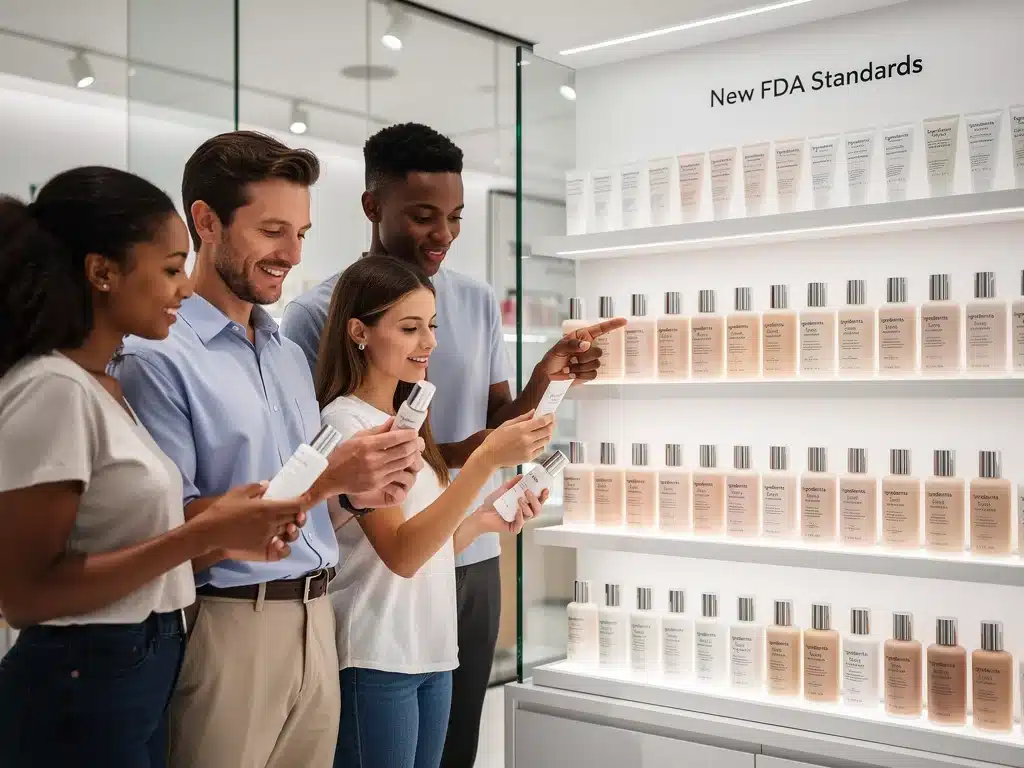
Advertisements
The ultimate guide to navigating the latest 2026 FDA Clean Beauty regulations is finally here.
As federal oversight over your vanity staples reaches historic heights, keeping up with shifting compliance frameworks is no longer optional. Here is exactly what these major updates mean for your daily beauty routine.
The beauty industry is currently facing a massive compliance overhaul under these updated cosmetics standards.
Advertisements
From stricter safety substantiation to enhanced product listing requirements, federal authorities are completely redefining transparency for personal care brands. Misleading labels are officially a thing of the past.
Understanding these updated government protocols is crucial for both conscious consumers and brands alike.
We have broken down the verified data, imminent deadlines, and industry shifts shaping the market this year. Dive in to discover how these new safety thresholds will transform the makeup you buy next.
Advertisements
Understanding the MoCRA and Its Scope for 2026 FDA Clean Beauty
The Modernization of Cosmetics Regulation Act of 2022 (MoCRA) represents the most significant overhaul of FDA’s cosmetic authority in over 80 years.
This landmark legislation introduces new mandates that will profoundly impact how cosmetic products, especially those marketed as ‘clean beauty,’ are manufactured, labeled, and sold in the United States.
For consumers, MoCRA aims to enhance product safety and transparency, offering greater assurance regarding the ingredients and claims made by beauty brands. The implementation of these regulations in 2026 will bring about a new era of accountability within the beauty industry.
Brands are now facing a crucial period of adaptation, needing to align their practices with these stringent new requirements. The focus on ingredient safety and adverse event reporting is central to the 2026 FDA Clean Beauty initiative.
Key Provisions of MoCRA Impacting Clean Beauty
MoCRA introduces several critical provisions, including mandatory facility registration, product listing, and adverse event reporting. These measures are designed to provide the FDA with better oversight of the cosmetic market.
The legislation also grants the FDA new authority to mandate recalls of unsafe cosmetic products, a power previously absent. This significantly strengthens consumer protection and raises the bar for product safety standards across the industry.
- Mandatory facility registration and product listing ensure the FDA has a comprehensive database of cosmetic manufacturers and their offerings.
- Adverse event reporting requires manufacturers to submit reports of serious health-related issues associated with their products.
- New record-keeping requirements for substantiation of product safety claims will demand more rigorous testing and documentation from brands.
Mandatory Reporting and Safety Substantiation Requirements
One of the most impactful changes under MoCRA for 2026 FDA Clean Beauty is the requirement for mandatory adverse event reporting. Manufacturers must now submit reports of serious adverse events associated with their cosmetic products directly to the FDA.
This provision ensures that potential safety concerns are promptly communicated to the regulatory body, allowing for quicker intervention and greater consumer protection. It marks a significant shift from the previous voluntary reporting system.
Furthermore, MoCRA mandates that manufacturers adequately substantiate the safety of their cosmetic products. This means brands must possess scientific evidence to support the safety of all ingredients and finished products, a crucial step for clean beauty claims.
Adverse Event Reporting: What Consumers Need to Know
Consumers who experience any serious adverse reactions to cosmetic products will find a new, more robust system in place to address their concerns. This system empowers the FDA to act swiftly based on reported issues.
The definition of a ‘serious adverse event’ includes death, a life-threatening experience, inpatient hospitalization, a persistent or significant disability or incapacity, congenital anomaly or birth defect, or any other medically significant event.
This broad scope ensures comprehensive coverage.
- Consumers can report adverse events directly to the FDA, contributing to a safer cosmetic market.
- Manufacturers are now legally obligated to investigate and report these events, increasing transparency.
- This new framework aims to improve the overall safety profile of cosmetic products, particularly those marketed under the clean beauty umbrella.
Ingredient Transparency and Labeling Changes for 2026 FDA Clean Beauty
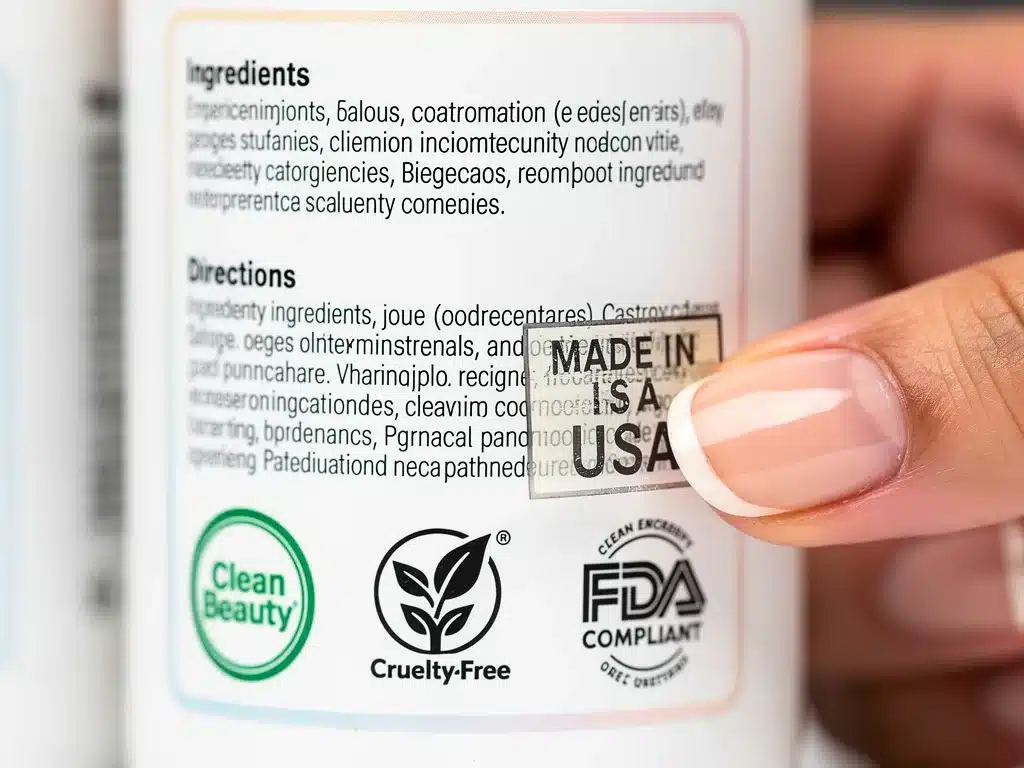
MoCRA also addresses ingredient transparency, a cornerstone of the clean beauty movement. The new regulations will likely lead to more standardized and comprehensive ingredient disclosure on product labels, benefiting consumers directly.
While MoCRA does not explicitly define ‘clean beauty,’ its emphasis on safety substantiation and ingredient information aligns with the core principles of the movement. Brands will need to be meticulous in their labeling practices.
Consumers seeking products aligned with their clean beauty values will have better access to clear and accurate information. This shift empowers informed purchasing decisions, a key aspect of the 2026 FDA Clean Beauty landscape.
Fragrance Allergen Disclosure and Labeling Regulations
A significant change expected is the potential requirement for fragrance allergen disclosure. Currently, fragrances are often listed as a single ingredient, even if they contain multiple components that can be allergens.
The FDA is tasked with issuing a proposed rule for fragrance allergen disclosure, which could necessitate individual listing of certain fragrance ingredients known to cause allergic reactions. This move would provide crucial information for sensitive consumers.
This increased transparency around fragrance ingredients directly supports the clean beauty ethos of knowing exactly what is in your products. It represents a substantial stride towards better consumer health and safety under 2026 FDA Clean Beauty.
Facility Registration and Product Listing: Industry Compliance
Under MoCRA, all cosmetic manufacturing facilities must register with the FDA, and all cosmetic products must be listed. These requirements provide the FDA with an unprecedented level of insight into the cosmetic supply chain.
Existing facilities have until December 29, 2023, to register, while new facilities must register within 60 days of commencing manufacturing.
Product listings for existing products are due by December 29, 2023, with new products requiring listing within 120 days of commercial distribution.
This comprehensive registration and listing process is fundamental to the FDA’s enhanced regulatory oversight, ensuring that the agency has a clear picture of who is making what, and where, which is vital for the effective implementation of 2026 FDA Clean Beauty standards.
Implications for Small Businesses and Indie Brands
While MoCRA aims for broad industry reform, it also includes specific considerations for small businesses.
There are exemptions from certain requirements, such as facility registration and product listing, for businesses with average gross annual sales of less than $1,000,000 over a three-year period, with some exceptions.
However, these small business exemptions do not apply to manufacturers of certain types of cosmetic products, including those that regularly come into contact with the eye, are injected, or are intended for internal use. This nuance ensures safety for high-risk products.
Small businesses and indie brands embracing the clean beauty movement must carefully review these exemptions and ensure full compliance with all applicable MoCRA provisions. Navigating these requirements is key to their continued success in the 2026 FDA Clean Beauty market.
FDA’s Expanded Authority: Recalls and Records Access
MoCRA significantly expands the FDA’s enforcement capabilities, granting the agency mandatory recall authority for cosmetic products deemed unsafe. This is a critical power that was previously lacking, leaving consumers vulnerable.
If the FDA determines that a cosmetic product is unsafe or adulterated and a responsible party refuses to voluntarily recall it, the agency can now issue an order requiring a recall. This ensures that dangerous products are removed from the market swiftly.
Additionally, MoCRA grants the FDA enhanced access to manufacturers’ records, allowing for more thorough inspections and investigations into product safety concerns. These powers reinforce the commitment to the safety principles of 2026 FDA Clean Beauty.
Strengthening Consumer Protection Through Recalls
The ability of the FDA to mandate recalls provides an essential layer of protection for consumers. It means that even if a manufacturer is reluctant, unsafe products will be removed from circulation, preventing further harm.
This new authority underscores the FDA’s commitment to prioritizing public health and safety in the cosmetic sector. It is a direct response to past incidents where the agency’s hands were tied due to a lack of mandatory recall power.
- The FDA can now swiftly remove unsafe cosmetic products from the market, even without manufacturer cooperation.
- This authority applies to products deemed adulterated or misbranded, encompassing a wide range of safety issues.
- Consumers can have greater confidence that regulatory action will be taken when product safety is compromised, reinforcing the goals of 2026 FDA Clean Beauty.
The Future of Clean Beauty: Navigating 2026 FDA Regulations
The implementation of the 2026 FDA Clean Beauty regulations will undoubtedly reshape the clean beauty landscape. Brands will need to demonstrate a higher level of transparency and safety substantiation, moving beyond marketing claims to scientific evidence.
Consumers will benefit from clearer labeling, more rigorous safety assessments, and a stronger regulatory framework designed to protect their health. This evolution will further legitimize the clean beauty movement, distinguishing truly safe products from mere greenwashing.
The period leading up to 2026 is critical for both industry and consumers to understand and adapt to these sweeping changes. Staying informed will be key to navigating this new regulatory environment for 2026 FDA Clean Beauty.
Consumer Empowerment Through Education
As these regulations come into effect, consumer education becomes paramount. Understanding what the FDA regulations entail will empower individuals to make more informed choices about their beauty products.
Learning to interpret new labels, understanding the significance of adverse event reporting, and recognizing legitimate safety claims will be crucial skills for the discerning clean beauty consumer. This knowledge gap is one the industry must help bridge.
- Educate yourself on new labeling standards and ingredient disclosure requirements.
- Understand the FDA’s role in product safety and how to report concerns.
- Support brands that actively demonstrate compliance and transparency under the new 2026 FDA Clean Beauty framework.
| Topic / Initiative | Description & Impact |
|---|---|
| MoCRA Implementation | Major regulatory overhaul for cosmetic safety and transparency by 2026. |
| Safety Substantiation | Mandatory scientific evidence for product safety claims, boosting consumer trust. |
| Adverse Event Reporting | New FDA mandate for manufacturers to report serious reactions, enhancing safety. |
| Ingredient Transparency | Improved labeling and disclosure, especially for fragrance allergens, for informed choices. |
Frequently Asked Questions About 2026 FDA Clean Beauty Regulations
MoCRA, the Modernization of Cosmetics Regulation Act of 2022, is a federal law expanding FDA’s authority over cosmetics. It introduces stricter requirements like mandatory adverse event reporting and safety substantiation, directly influencing the standards for products marketed as clean beauty by 2026.
While MoCRA doesn’t define ‘clean beauty’ as an official term, its regulations align with the movement’s principles of transparency and safety. The new mandates for ingredient disclosure and safety substantiation will effectively raise the bar for products claiming to be ‘clean.’
Expect more detailed and transparent ingredient lists. MoCRA tasks the FDA with exploring fragrance allergen disclosure, meaning specific allergens within ‘fragrance’ could be listed individually. This provides consumers with more information to make informed decisions about 2026 FDA Clean Beauty products.
Under MoCRA, manufacturers are now required to report serious adverse events to the FDA. Consumers should report any serious reactions to both the manufacturer and directly to the FDA. This ensures proper documentation and potential regulatory action under the 2026 FDA Clean Beauty framework.
Yes, most cosmetic brands are affected. While small businesses may have some exemptions from facility registration and product listing, these exemptions don’t apply to certain high-risk products. All brands must adhere to safety substantiation and adverse event reporting requirements for 2026 FDA Clean Beauty.
Looking Ahead: The Evolving Landscape of 2026 FDA Clean Beauty
The implementation of the 2026 FDA Clean Beauty regulations represents a pivotal moment for the cosmetic industry and consumers alike. These changes signal a stronger commitment to product safety and transparency, moving beyond self-regulation.
Brands must prioritize compliance and innovation, while consumers gain greater power through informed choices. The ongoing developments will shape a more trustworthy and accountable clean beauty market for years to come.
